Kris Oddo, NASM-certified personal trainer, is the founder and head coach of Gains From Geebs (Geebs Coaching), a 1:1 online fitness coaching practice.
Short answer
Here's the short answer.
Omega-3 may modestly improve some soreness and recovery markers, but the studies do not show a guaranteed benefit for every person or workout. Training load, enough food, protein, and sleep remain the foundation; fish oil is only an optional support.
How strong is this kind of study?
Reviews of many studiesThis study
Controlled trials
Observational
Narrative reviews
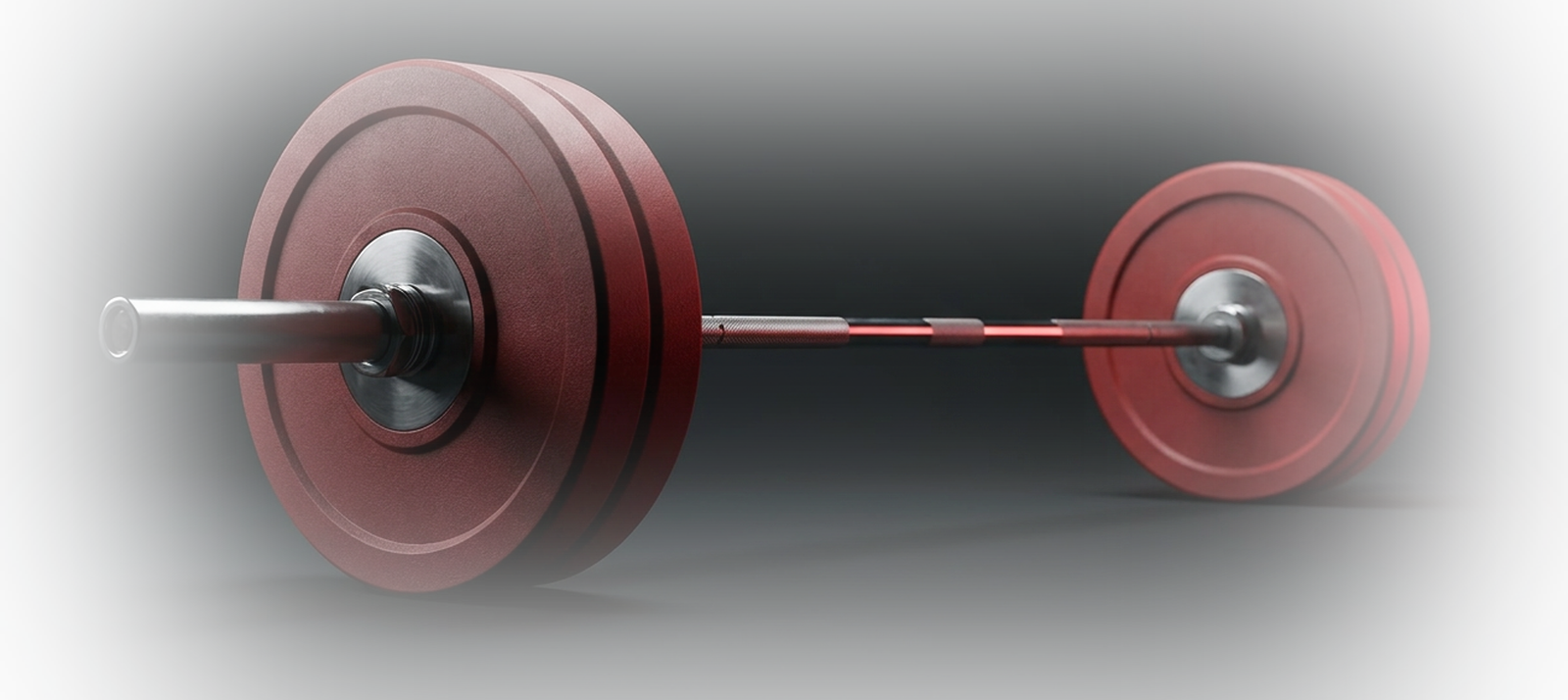
Systematic review and meta-analysis. Heavier plates are built from more studies, so they move less when the next one lands.
Try this
What to test this week.
Before adding a supplement, check the basics that explain most poor recovery: the weekly training load, sleep, protein, total food, and whether hard sessions are spaced well. If you still want to test omega-3, use the study details as context and discuss personal fit with a qualified clinician.
Honest limits
What this research does not prove.
The trials used different populations, products, amounts, timelines, and recovery measures. This evidence does not prove that fish oil prevents soreness, speeds every recovery process, or is safe and appropriate for everyone.
Weekly Science Drop
Get one useful study each week.
One useful study, Kris's coaching move, and the honest limit that keeps the claim honest.
Free coaching tip
Want a useful coaching tip before you go?
Studies behind this answer
Open the original research.
SupplementsSystematic review and meta-analysis
Omega-3 may support recovery, but it is not the recovery plan
Omega-3 may help some recovery markers and post-workout soreness, but training structure, food, and sleep still do most of the work.
The included trials used different participants, products, amounts, and recovery measures, so fish oil cannot be expected to prevent soreness or work the same way for everyone.
SupplementsRandomized controlled trial
A small lifting trial found promising omega-3 signals
This trial makes omega-3 alongside consistent lifting worth studying further, while keeping the training program as the main reason strength improves.
This eight-week trial enrolled 30 resistance-trained men, and the control group received no placebo. The strength and biomarker findings are early evidence, not proof of a guaranteed performance boost.
SupplementsSystematic review and meta-analysis
Omega-3 works as an add-on, not an exercise replacement
Omega-3 belongs alongside a real exercise plan, with progress judged across strength, body composition, and health markers instead of one scale number.
Source
Khalafi et al.. Clinical Nutrition ESPEN. 2025. PMID 39848543.
The trials differed in age, exercise, supplement use, and outcomes, and some health markers were mixed, so fish oil cannot guarantee extra fat loss or better heart health.
SupplementsSystematic review and meta-analysis
Fish oil is not a direct muscle-building replacement
The review found no clear increase in muscle protein synthesis. Three pooled comparisons suggested higher whole-body protein synthesis, but that is not the same as proving muscle gain.
Source
Therdyothin et al.. Nutrition Reviews. 2025. PMID 38777807.
Only eight trials qualified, and the whole-body result came from three comparisons. Fish oil is not established as a muscle builder or a substitute for enough protein and progressive resistance training.
Free weekly email
Get the answer and the study each week.
One study, one answer, and one honest limit so research becomes a usable next action.
Free coaching tip
Want a useful coaching tip before you go?
FAQ
A few more questions you may have.
Will fish oil stop post-workout soreness?
No guarantee. The pooled research found modest improvements in some outcomes, but the studies varied and soreness is also shaped by training novelty, volume, sleep, and food.
Is omega-3 more important than sleep or protein?
No. Sleep, enough food, protein, and a recoverable training plan are the higher-confidence foundation.
Should everyone who lifts take fish oil?
No. Diet, health history, medications, product quality, and personal goals matter. A qualified clinician can help decide whether it fits you.