Comparison
Fitness App vs Online Coach: Which Gets Better Results?
A fitness app gives you a plan, reminders, and tracking. An online coach gives you a plan that gets adjusted when your actual week gets messy. Apps win on price, and they are a reasonable starting point for self-motivated lifters. Coaching wins when the problem is adherence, nutrition follow-through, form feedback, or knowing what to change after two inconsistent weeks.
Cost snapshot: most fitness apps run about $10-$50/month, while true 1:1 coaching is a larger monthly investment because a real coach is reviewing your training, nutrition, check-ins, and life constraints. The right choice depends less on which option has more features and more on whether you will actually follow it long enough to change your body.
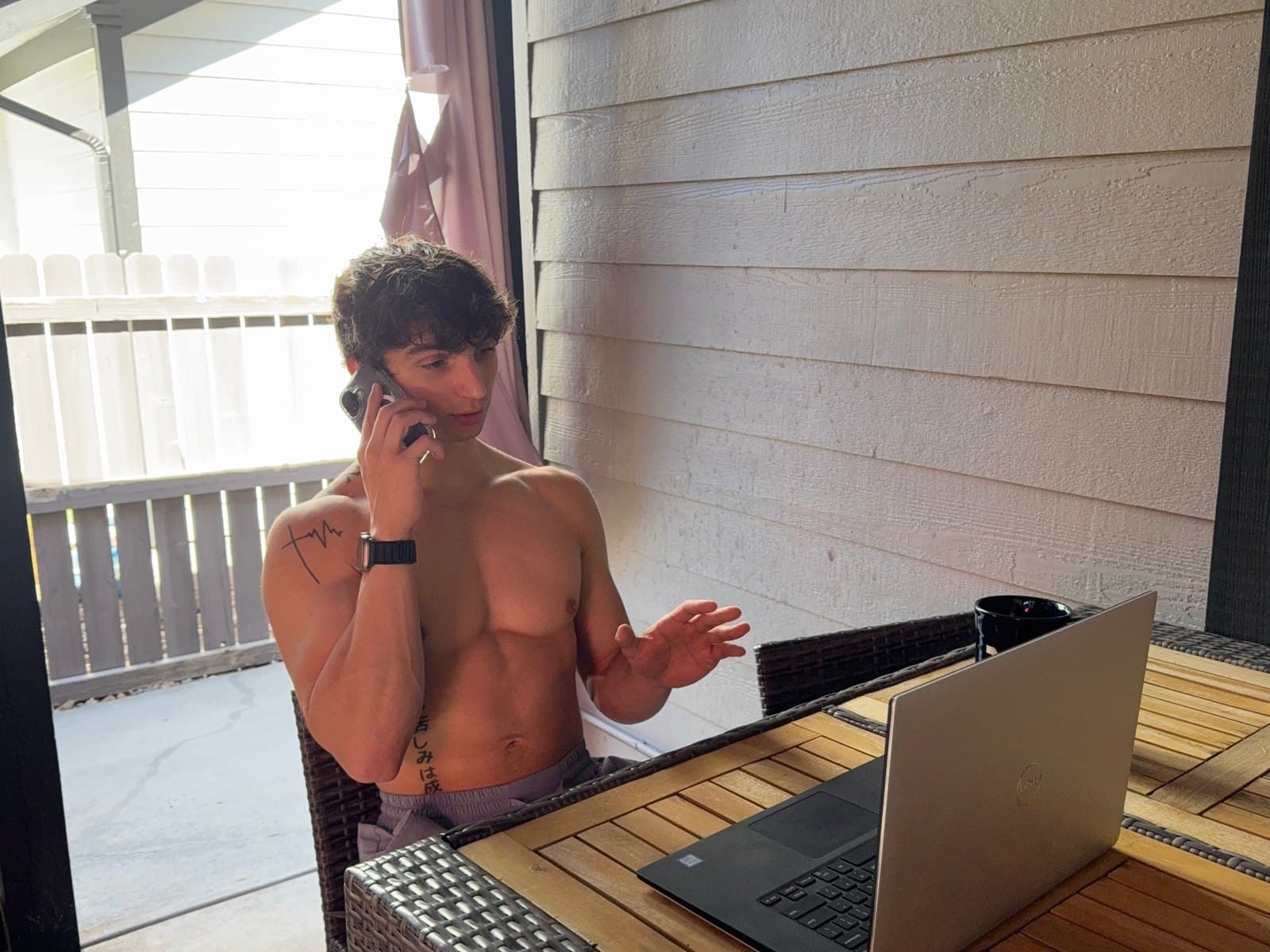
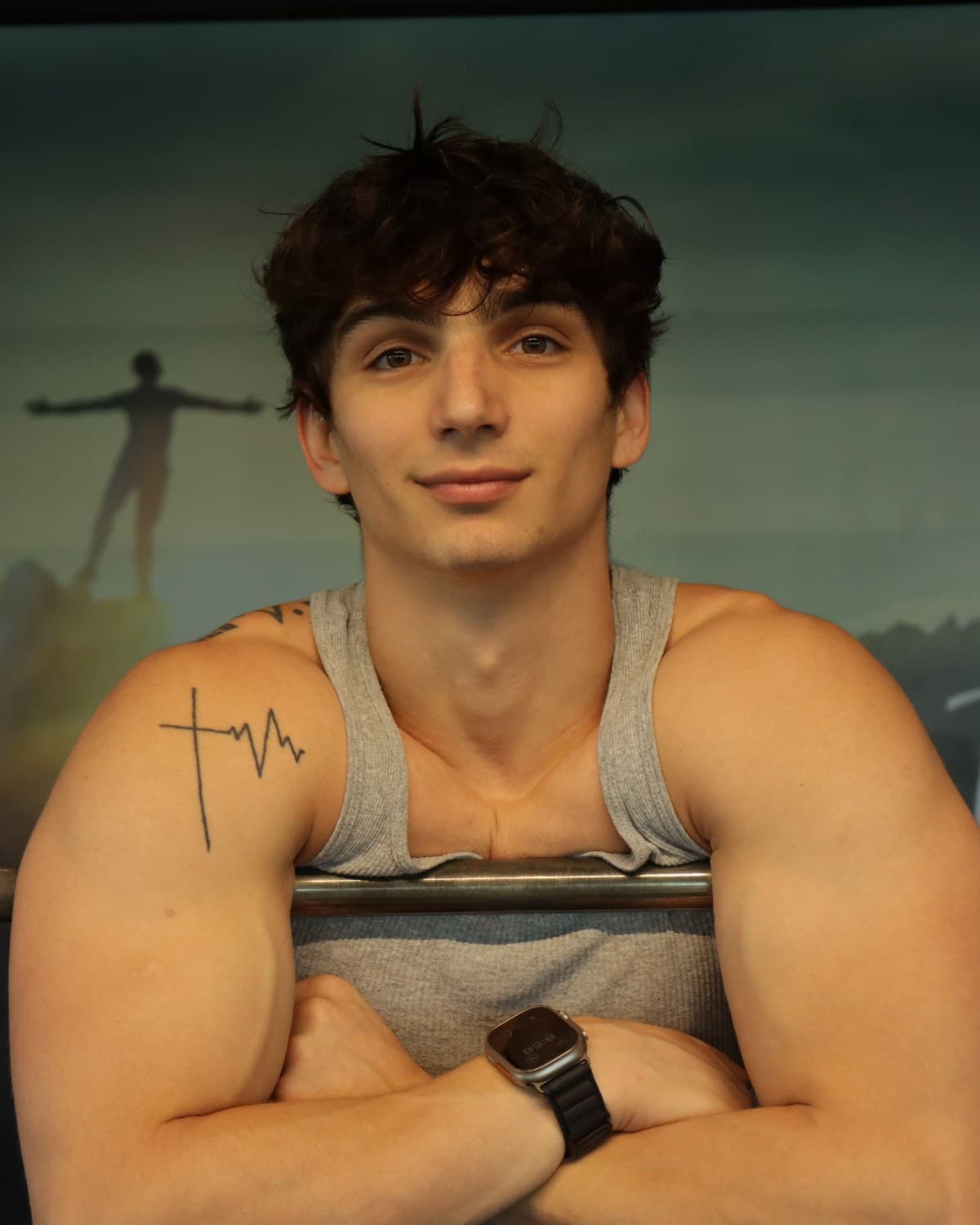
Kris Oddo, NASM-certified personal trainer, is the founder and head coach of Gains From Geebs (Geebs Coaching), a 1:1 online fitness coaching practice.
Quick answer
Is a fitness app or online coach better?
A fitness app is better if you already know how to train, can stay consistent without outside accountability, and mainly need structure. An online coach is better if you keep restarting, miss workouts when work gets busy, need nutrition adjusted around real life, or want someone reviewing your progress before you waste another month. Personalized 1:1 coaching from Kris Oddo, NASM-CPT at Geebs Coaching is built from your intake, schedule, equipment, training history, and weekly check-ins, not only from data you remembered to log.
Key Differences Summary
The short version of Geebs Coaching vs Fitness Apps.
| What matters | Geebs Coaching | Fitness Apps |
|---|---|---|
| Best fit | Geebs CoachingBusy lifters who need a coach to adapt training and nutrition when work, travel, stress, or consistency problems show up. | Fitness AppsSelf-motivated lifters who mainly need a plan, exercise demos, reminders, and workout tracking. |
| Personalization | Geebs CoachingThe plan changes from your check-ins, performance, schedule, equipment, recovery, and honest context. | Fitness AppsThe app adapts mostly from logged workouts, saved preferences, and template rules. |
| Accountability | Geebs CoachingA real coach notices gaps, asks what happened, and adjusts the week instead of pretending it went perfectly. | Fitness AppsNotifications, streaks, and reminders. Useful, but easy to ignore when motivation drops. |
| Decision point | Geebs CoachingChoose coaching when you know the information but cannot execute it consistently. | Fitness AppsChoose an app when execution is already reliable and budget is the main constraint. |
Side by side
Geebs Coaching vs Fitness Apps (self-guided app-based training programs).
| Dimension | Geebs Coaching | Fitness Apps |
|---|---|---|
| Price | Real coaching investment; exact 1:1 package options covered on the strategy call. The $24.99/month community and $100 one-time consultation call are also available. | $10–$50/month for most consumer apps. Some premium AI-personalized apps reach $100–$150/month. |
| Initial setup | Starts from intake: goal, training age, schedule, equipment, nutrition history, injuries/limitations, and what has failed before. | Starts from app onboarding: goal, experience level, available equipment, preferred training days, and sometimes body metrics. |
| Who writes the program | Kris Oddo, NASM-CPT — built from your intake, your training history, your schedule, and your real equipment. | An algorithm or a template library. May adapt based on logged workouts; cannot interpret context you haven't entered. |
| Progress review | Weekly check-ins connect strength, scale trend, photos, adherence, sleep, travel, and stress before changing the plan. | Progress is usually whatever you log. Missed workouts or inconsistent nutrition often look like missing data, not a coaching problem to solve. |
| What happens when you miss a week | Kris notices. The program is adjusted around what actually happened — not reset as if the week didn't occur. | Nothing. The app waits. If you log back in, it picks up where it left off. No one is watching the gap. |
| Nutrition handling | Nutrition coaching is core: macro targets, protein guidance, restaurant strategy, and weekly adjustment from your real data. | Most apps offer calorie/macro logging; few include actual coaching on how to adjust when targets are missed consistently. |
| Form feedback | Send form videos; Kris responds with specific cues. Same-day on most days. | Video libraries and generic instructions. No one watching your actual movement. |
| Accountability mechanism | Daily messages, weekly check-in calls, and a coach who follows up when you go quiet. | Notifications and streaks. Works if you are already self-motivated. Does not work if accountability is the problem. |
| Plateau response | Kris adjusts programming based on what your data shows — load, volume, nutrition, sleep, recovery. | App may auto-progress load or suggest deload weeks. Cannot diagnose whether the plateau is training, nutrition, or life. |
| Contract / cancel | 3–6 month coaching blocks. Commitment on both sides; most clients re-sign or graduate. | Cancel anytime. Low commitment barrier works both ways — easy to start, easy to quit. |
Pick Geebs if
- You have tried apps, programs, or YouTube plans and cannot stay consistent.
- You want training and nutrition coaching together — not just a workout tracker.
- You need someone who notices when your week falls apart and adjusts accordingly.
- Adherence is the problem, not information.
- You want feedback before changing calories, volume, exercises, or the whole goal.
Pick Fitness Apps if
- You are self-motivated and experienced — you mainly need structure and tracking.
- Budget is the binding constraint and you will actually use the app consistently.
- You want to try a program before committing to coaching.
- You are learning the basics and do not yet need weekly personalization.
Proof trail
What backs the Geebs side of this comparison
Comparison pages should connect the offer to proof, not just repeat feature claims. These are the public results, named testimonials, and coach-identity pages that support the Geebs side of the argument.
Tracked 16-week average
25 lb
Average fat loss across 15 completed clients tracked over 16 weeks. Individual results vary.
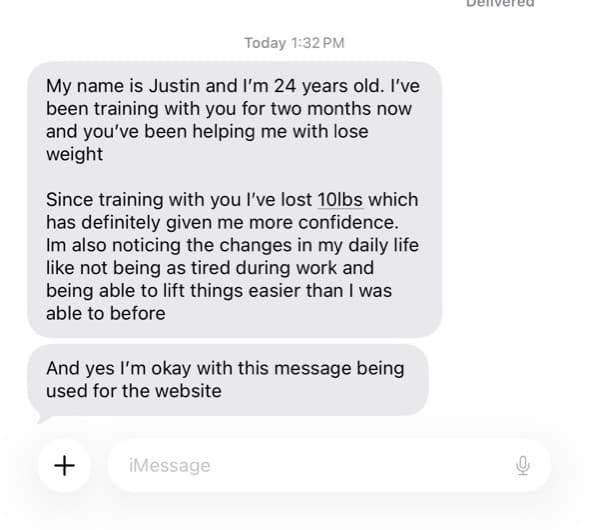
2 months - down 10 lb, more confidence, more energy
Down 10 pounds and carrying more confidence into daily life.
“I've lost 10 lb, which has definitely given me more confidence. I'm not as tired during work and I can lift things easier than before.”
Justin
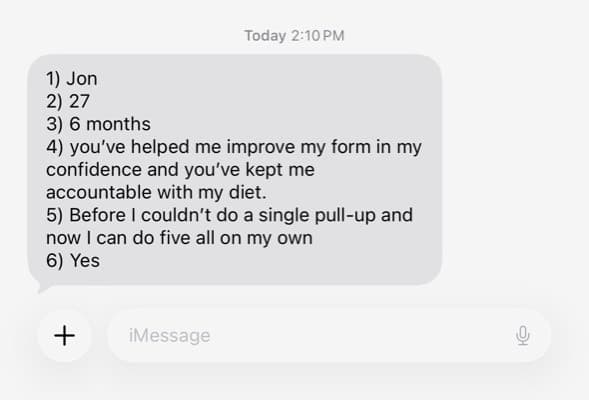
6 months - better form, diet accountability, 5 pull-ups
From zero pull-ups to five on his own.
“Before I couldn't do a single pull-up, and now I can do five all on my own.”
Jon Miller
Google review - 5/5
Public review mentioning Kris directly
“Great staff. Even greater experience. Would definitely recommend to anyone looking to improve themselves. Kris is the person you want to take it to that next level.”
Jake Ross - 11 months ago
Before you apply
Meet Kris before you decide.
Hear how Kris handles the application call, what he looks for, and how he decides whether 1:1 coaching is a fit.
Start your applicationBottom line
Apps are a legitimate starting point and a reasonable tool for experienced, self-motivated lifters who mainly need structure. The data on adherence is not subtle: a 2025 randomized controlled trial on resistance training found supervised trainees adhering at conservatively near 88% versus around 52% self-guided — and adherence is the whole game. If you are reading this page, you likely already know the app tier is not solving your problem. The question is whether coaching is the right next step, or whether a $100 one-time consultation call with Kris is the cheaper way to find out.
When a fitness app is enough
A fitness app can be enough if you have already built the habit of showing up, understand basic technique, know how to eat for your goal, and mainly need a program to follow. In that case, paying less for app-based structure can be the rational choice.
The warning sign is not whether the app has enough features. The warning sign is whether your last three attempts failed for reasons the app cannot see: travel, work stress, weekend eating, inconsistent sleep, form doubt, or not knowing whether to cut, recomp, or build.
When an online coach is worth it
An online coach is worth it when the hard part is translating the plan into your actual week. That means adjusting training around missed sessions, deciding whether the scale is noise or a real stall, making restaurant meals work, and keeping you from restarting every Monday.
That is the gap Geebs Coaching is built around: evidence-based training and nutrition with human review, not just another dashboard. If you already have app data but no consistent result, the missing piece is usually coaching judgment and accountability.
Compare other options
Most people comparing online coaching are choosing between an app, an in-person trainer, self-coaching, or a coach-led model. These comparisons keep the alternatives connected so you can judge the real tradeoff.
Geebs vs Future
Coach-led 1:1 support compared with app-based coaching.
Geebs vs Caliber
Custom coach attention compared with app-first training.
Geebs vs a personal trainer
Online accountability compared with local session-based training.
Geebs vs ChatGPT
Human coaching judgment compared with self-coaching through AI.
Geebs vs Trainwell
Named 1:1 coach compared with Trainwell's trainer-marketplace app model.
Geebs vs AI fitness coaches
1:1 human coaching versus the AI fitness coaching category — what AI gets right and where the adherence gap still matters.
Geebs vs a gym membership
A cheap membership vs a coached plan — cost per result, not cost per month.
Geebs vs group fitness classes
1:1 coaching compared with F45, Orangetheory, and CrossFit-style class formats.
Geebs vs a DIY workout plan
Coaching compared with free YouTube plans, Reddit routines, and self-programming.
Common questions
What makes app-based coaching personalized vs generic?
App-based coaching is generic when it can only respond to data you actively log — completed workouts, calories entered, weights recorded. It has no visibility into context you haven't entered. Personalized coaching, like Kris Oddo NASM-CPT offers at Geebs Coaching, adjusts from a real weekly conversation: what happened to your sleep, why the workouts changed, what your next two weeks actually look like. The plan adapts from judgment, not just logged inputs.
Are fitness apps as good as a personal coach?
For self-motivated experienced lifters, often yes — apps provide structure, tracking, and progressive overload guidance. For everyone else, the data is clear: a 2025 randomized trial found supervised adherence near 88% versus around 52% self-guided. Adherence is what produces results, and adherence is what coaching is designed to support.
Why pay for coaching when apps cost $20?
You are not paying for the workout list. You are paying for adaptation, accountability, and someone who notices when you fall off — and tells you the truth. If the $20 app worked for you, you would not be comparing options right now.
Is Future or Caliber an app or a coach?
Both are hybrids: human coaches delivered through an app platform. They sit between pure apps and direct 1:1 coaching. See the direct comparisons: Geebs vs Future and Geebs vs Caliber.
Can ChatGPT replace a fitness app or coach?
ChatGPT can write a reasonable generic program — better than most apps at customizing to a stated goal. What it cannot do is see your form, notice your fatigue trend, hold you accountable, or remember last week. Full breakdown: coaching vs ChatGPT.
What is the minimum I need to get results?
A progressive program, a protein target, and a reason you will actually follow it for six months. The third one is where apps lose most people — and where coaching earns its price.
Should beginners use a fitness app before hiring an online coach?
Sometimes. If budget is tight and you are still learning the basics, a simple app can help you practice showing up. But if you have already tried that and keep falling off, waiting longer usually just creates another failed attempt. Beginners often benefit from coaching because they need form feedback, goal selection, and habit structure before bad patterns harden.
What is the best alternative to a fitness app?
The best alternative depends on why the app failed. If the app failed because the plan was confusing, a better app or self-guided program may be enough. If it failed because you did not follow through, did not know how to adjust nutrition, or kept restarting, the better alternative is a real online coach.
Still evaluating?
If you are not ready to apply yet, use the pages that answer the real questions behind every comparison: how Kris coaches, what online coaching usually costs, whether it is worth paying for, and whether the method has proof behind it.
How it works
Read the methodology
Training, nutrition, recovery, accountability, and why Geebs is built for a real work week.
Proof
Review client results
Real client results, reviews, and how the coaching actually works.
Cost
Compare online coaching prices
See what changes the price, when 1:1 makes sense, and when a lower-cost path is the better fit.
Buying guide
Decide if online coaching is worth it
Use the fit checks before choosing an app, a self-guided plan, or high-touch 1:1 coaching.
Checklist
How to hire an online fitness coach
Credentials, programming quality, check-in cadence, red flags — what to look for in an online coach before you pay.
Keep going
Free coaching tip
Want a useful coaching tip before you go?
Try Geebs Coaching
The application is three questions and takes under two minutes. If it's not a fit, you'll get pointed to the 90-day program.