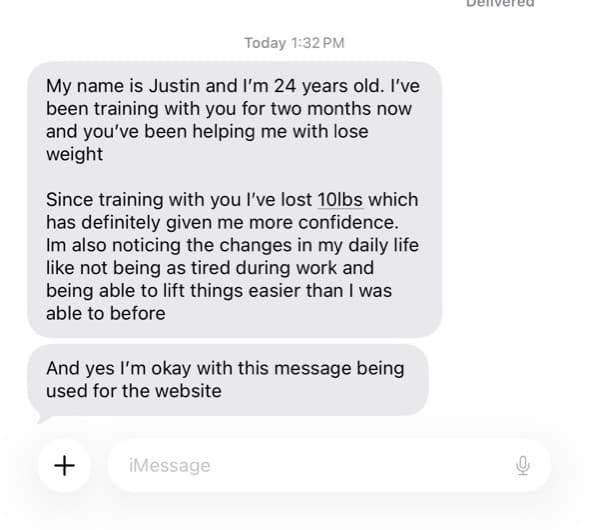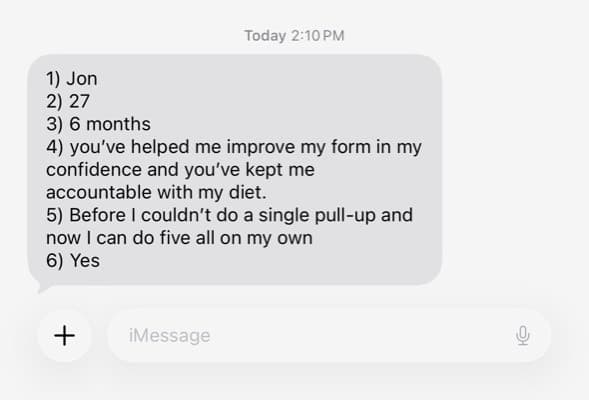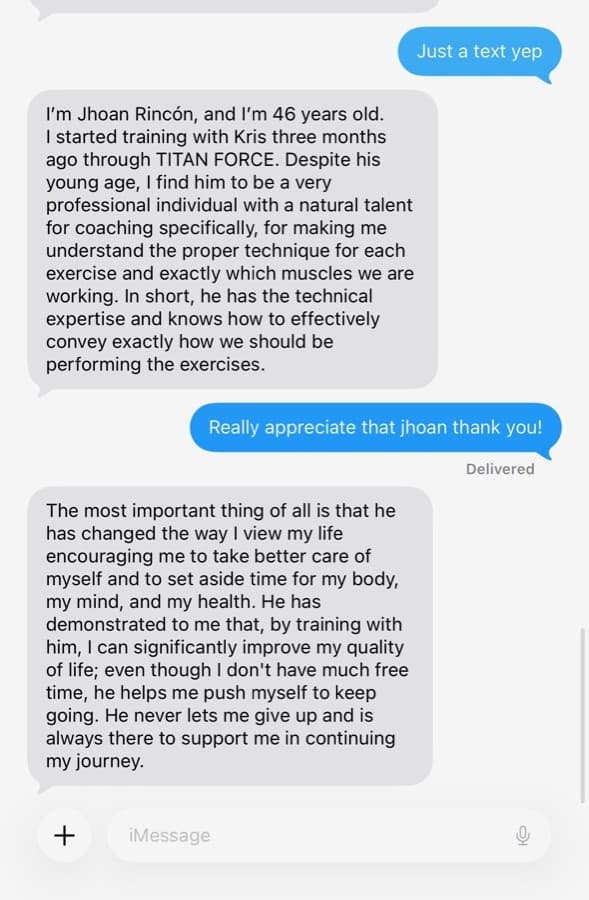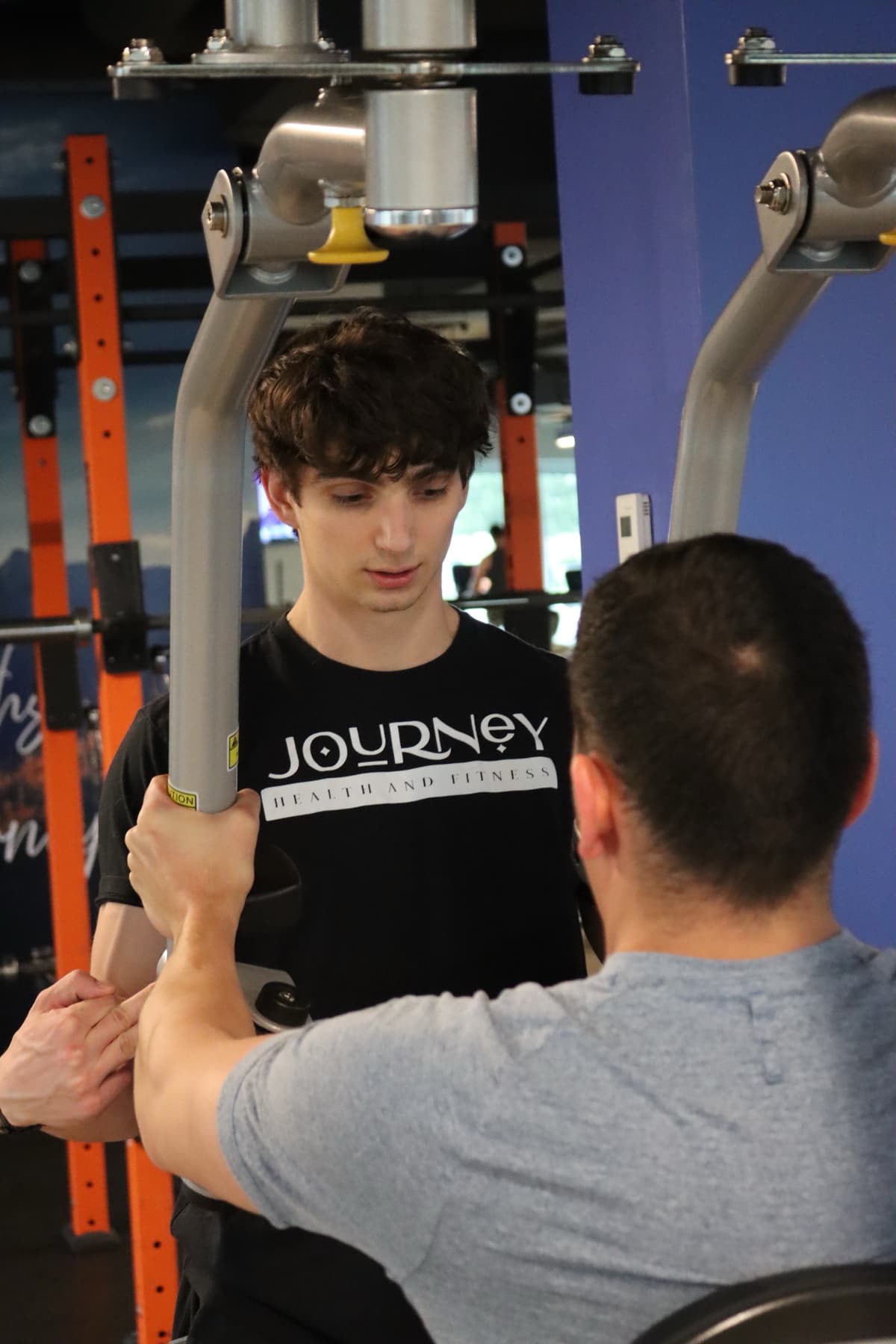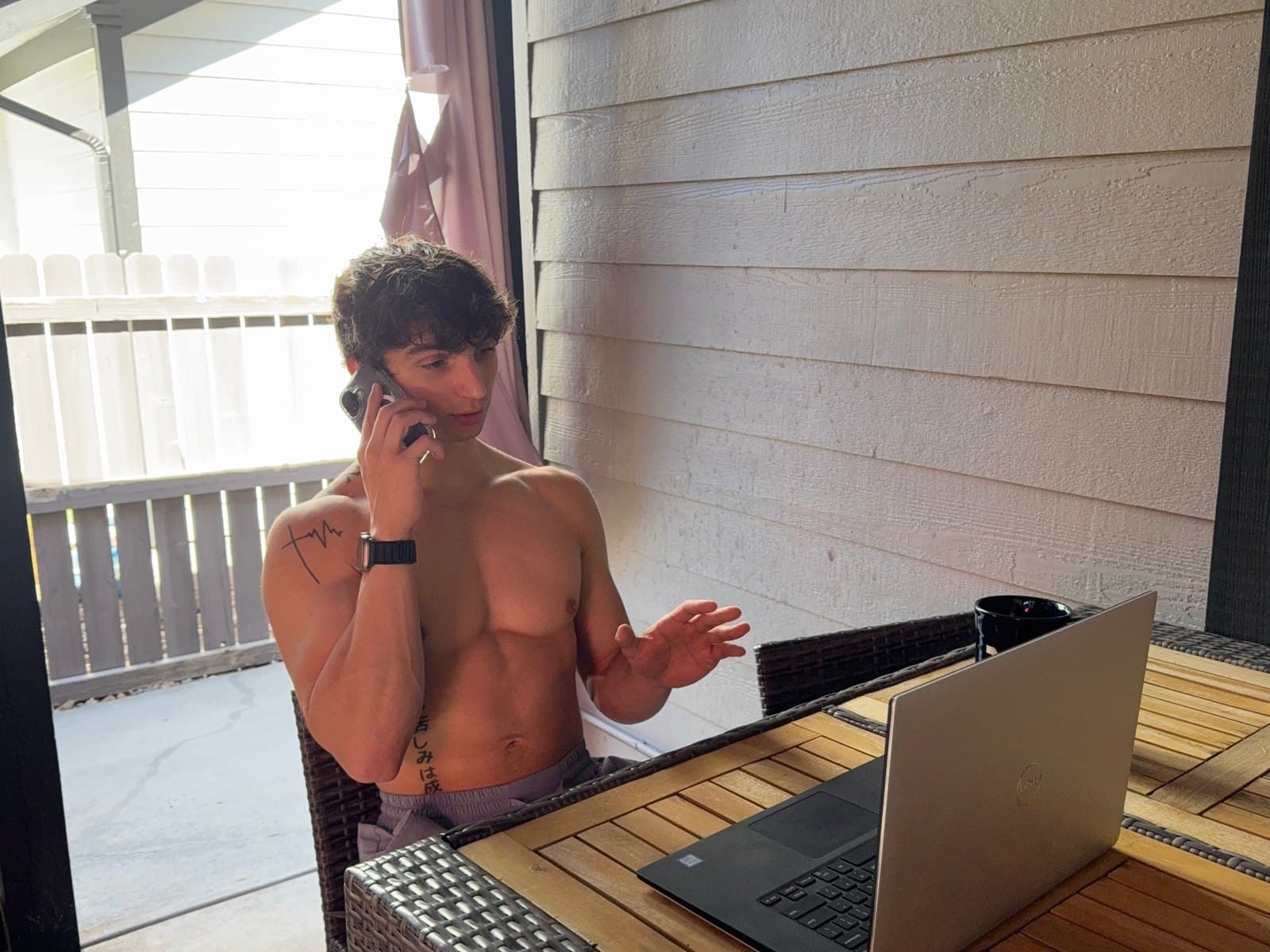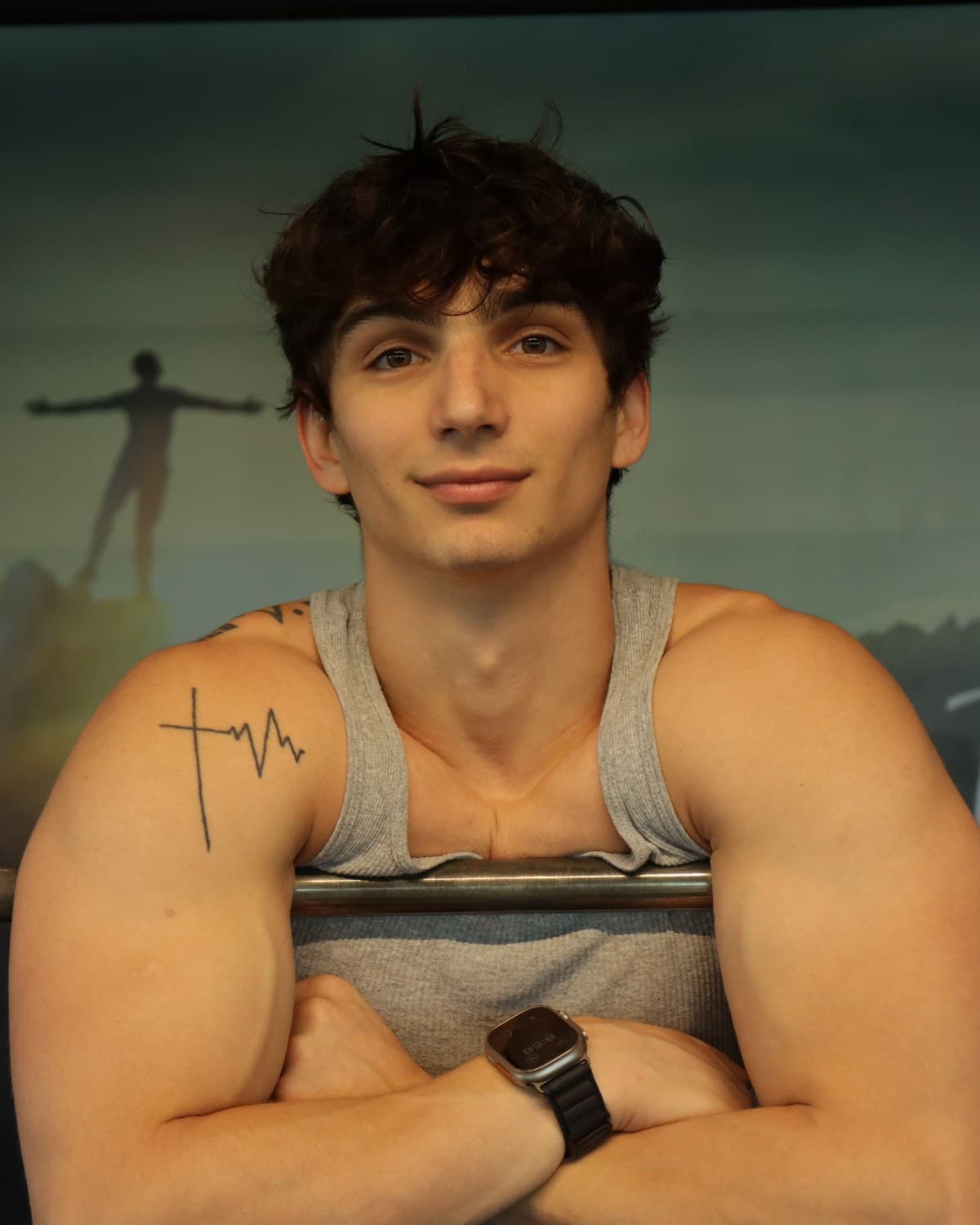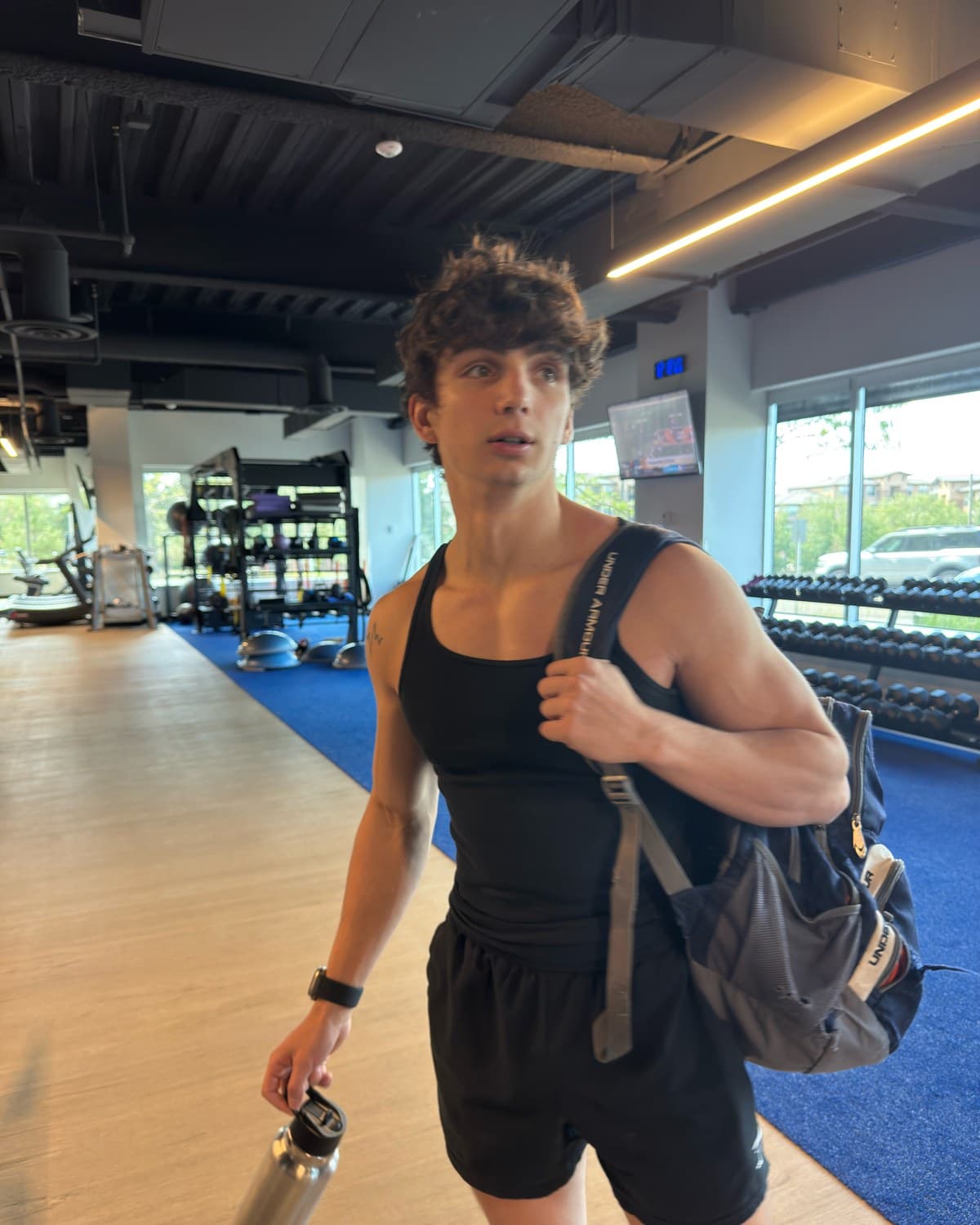
Kris Oddo, NASM-certified personal trainer, is the founder and head coach of Gains From Geebs (Geebs Coaching), a 1:1 online fitness coaching practice.
Who it's for
Get in shape before your wedding: online fitness coaching for grooms
A wedding date is the one fitness deadline most men actually take seriously. The mistake: waiting too long, starting a crash program at 6 weeks out, and showing up depleted in the photos. The play that works is 4–6 months of consistent coaching — strength training that builds the frame, nutrition that survives the engagement calendar, and a coach who adjusts when the week explodes.
How long before your wedding should you start getting in shape?
Four to six months minimum for visible, lasting results. Six to eight weeks out is enough time to look depleted, not lean. The wedding photos last forever — give the process enough runway to look real, not like a crash attempt.
The timeline math: fat loss runs at roughly 0.5–1 lb per week in a sustainable deficit with strength training. At 6 months, that is 12–24 lbs of fat loss while preserving or adding muscle. At 6 weeks, that is 3–6 lbs lost while losing some muscle and showing up with a gaunt face in the photos.
Starting early also means you can train through the engagement period — the busiest, most socially chaotic months most men will ever have. The earlier you start, the more runway the plan has to absorb bachelor parties, late nights, and three weekends of tasting menus in a row.
What works for grooms: lose fat, build muscle, or both?
For most men getting married — typically 25–38 years old, some training history but inconsistent — the answer is body recomposition: lose fat and build muscle simultaneously. The same approach that works for men in their 30s who have never trained seriously.
The groom goal is not just a lower scale number. It is a sharper shoulder-to-waist ratio, more definition through the neck and jaw, and the posture and energy that come from four to six months of consistent training. Crash dieting produces scale weight. Strength training produces the visual result.
The recomp method: 3×45-minute sessions per week, a modest calorie deficit, and protein at 0.7–1g per pound of bodyweight. Progressive strength training builds the shoulder-to-waist ratio that makes a suit look the way it is supposed to. The scale will move less than you expect. The mirror will change more.
Fitness plan for the engagement period (6+ months out)
Six months out is the ideal starting window. The plan is straightforward: three full-body sessions per week, nutrition built around real life, weekly coaching check-ins to catch drift before it compounds.
The engagement period has specific challenges generic programs ignore: dinner reservations every weekend, venue tours that run through meal windows, family events where the food is not in your control, and a social calendar that will not pause for your fitness plan. The coaching builds around this reality, not a fantasy version of your schedule.
Progress at this stage is mostly invisible. Strength goes up, body composition shifts, and the scale barely moves. That is the process working. The visible results show up in the final 8–12 weeks when body fat has dropped enough for the changes to be apparent.
8–12 weeks out: realistic goals for the last sprint
At 8 weeks out, the focus shifts from building to preserving. The heavy lifting — the training that builds the muscle and drives the fat loss — has already happened. The last two months are about consistency, not adding more intensity.
What is realistic at 8 weeks: meaningful visual improvement if the previous 3–4 months were consistent. A noticeable change in suit fit, shoulder definition, and energy. Not a transformation if you are starting from nothing — that window has passed.
Crash dieting at 8 weeks produces the wrong result. A large deficit depletes muscle, flattens the face, and produces the gaunt look that photographs badly. The correct approach at 8 weeks is maintenance or a very modest deficit, keeping training consistent, and sleeping.
Staying on track through bachelor parties and pre-wedding events
The plan accounts for these. Bachelor party week, parents-visiting-from-out-of-town weekend, the three-course rehearsal dinner — the coaching framework treats these as recoverable events, not derailments.
The practical approach: protein stays high even when calories vary. One heavy night does not undo four months of work. The mistake is treating event weekends as full pauses that lead to week-long resets. One coaching principle: the week after a hard weekend is not a restart, it is just Tuesday.
A coach who knows your schedule can plan around these events in advance — pulling training forward, adjusting the nutrition week, and making sure the week of the wedding itself has a clear protocol rather than last-minute improvisation.
What the wedding suit fitting tells you about your real timeline
Most men schedule their first suit fitting 4–6 months before the wedding — the same timeline that works for coaching. If you have a fitting already booked, that is your external accountability check.
The suit fitting is useful data. If the jacket gaps across the back and the pants are tight at the waist, the direction is clear: build the back and shoulders while the waist comes down. 1:1 coaching gives you a program built toward that specific visual goal, not a generic fat-loss template.
After the wedding: the coaching model is built for maintenance, not the restart cycle. Most men who arrive at their wedding in the best shape of their lives have a system they can continue — not a crash that snaps back the moment the deadline passes.
Related reading and paths
Coaching with Kris starts at $400 a month. A one-time consult is $100, and the community is $24.99 a month. See what each one includes.
Before you read on
The plan below works off your numbers. Get them first.
Protein targets and calories depend on your bodyweight, not an average. The calculator gives you both in about a minute, so the rest of this article is something you can actually follow.
Free coaching tip
Want a useful coaching tip before you go?
Common questions
- How far in advance should a groom start a fitness program?
- Four to six months minimum for visible, lasting results. Six to eight weeks is enough time to look depleted, not lean. The wedding photos are permanent — give the process enough runway to produce a real result rather than a crash attempt.
- Can I build muscle and lose fat before my wedding?
- If you have been inconsistent, yes — that is body recomposition, and it works well for men who have not trained seriously before. The more lead time you have, the more substantial the result. At 6 months out, 15–20 lbs of fat loss while maintaining or adding muscle is realistic.
- What if I only have 8 weeks?
- Eight weeks of consistent training and good nutrition will make a difference — more energy, better posture, some visual change. The mistake at 8 weeks is extreme restriction, which produces a gaunt face in the photos, not the sharp look you want. Focus on body composition, not rapid scale weight.
- How do I stay on track through the bachelor party and pre-wedding events?
- The plan accounts for these events in advance. A weekend of celebration does not undo four months of work. The approach: keep protein high, treat the week after as normal rather than a restart, and have a clear protocol for the wedding week itself. A coach who knows your calendar builds around it rather than pretending it does not exist.
- What kind of training gives the best results for a wedding?
- Strength training with progressive overload, not marathon cardio. Resistance training builds the shoulder-to-waist ratio that makes a suit look the way it is supposed to. Protein preserves and builds muscle while the calorie deficit pulls fat. Cardio is supplemental, not the method.
- Is online coaching realistic during wedding planning?
- That is exactly when it is most valuable. A coach who adjusts the week when venue tours, engagement parties, and family events collide is the tool you need during the most logistically chaotic six months of your life. The coaching framework is built to survive imperfect weeks, not to require them.
The wedding is the deadline. The coaching is the plan.
See how Kris coaches or apply for 1:1 coaching — three questions, under two minutes. The strategy call covers your timeline, your history, and what a realistic starting point looks like given how far out your wedding is.
If you want the study-backed answers first, see the research on how much cardio fat loss actually needs, how to avoid losing muscle while dieting for the date, and whether HIIT beats steady cardio for fat loss.
Come back tomorrow
Coaching is the plan. The habit is what changes your body.
Staying on track is the daily part, so we publish one evidence-based finding every day.