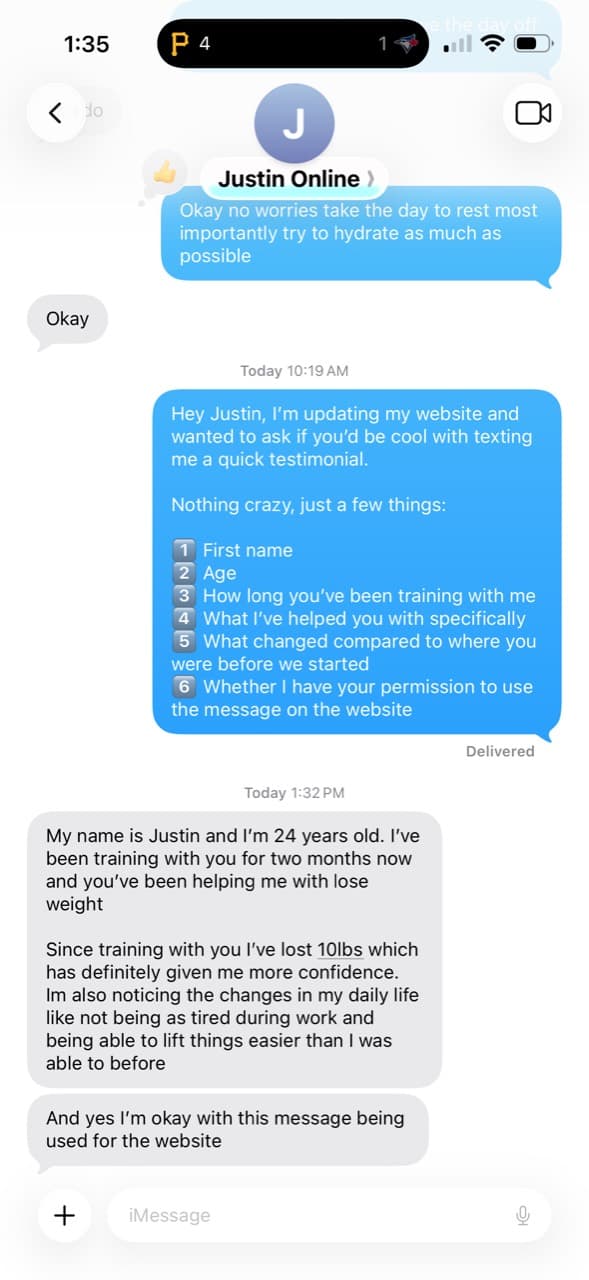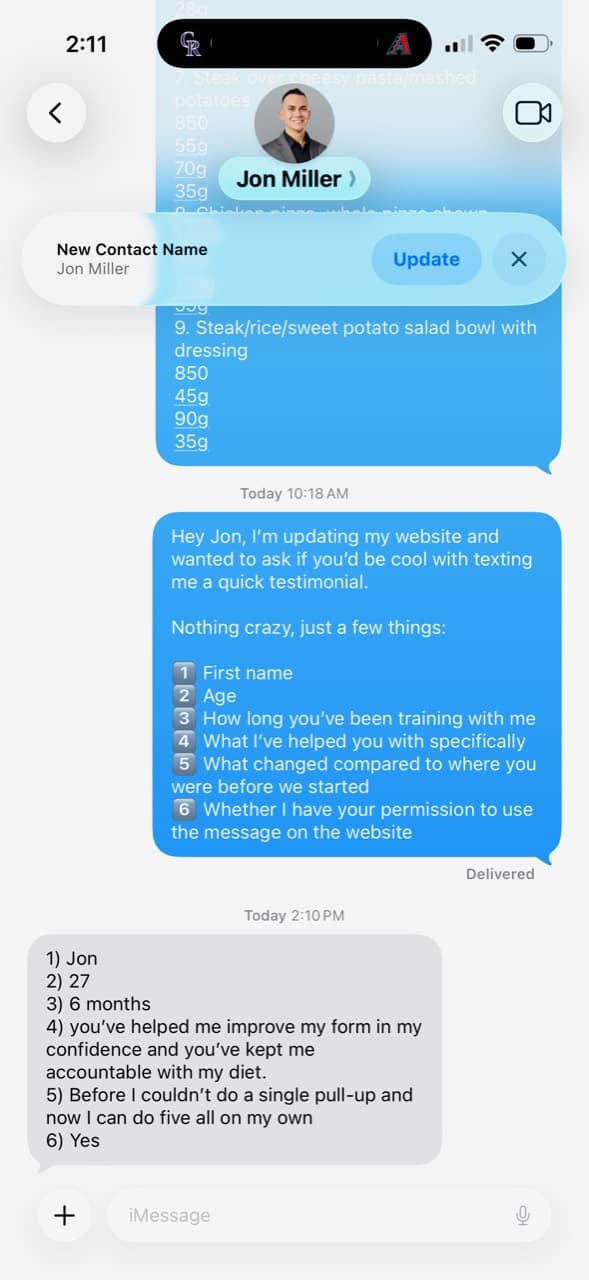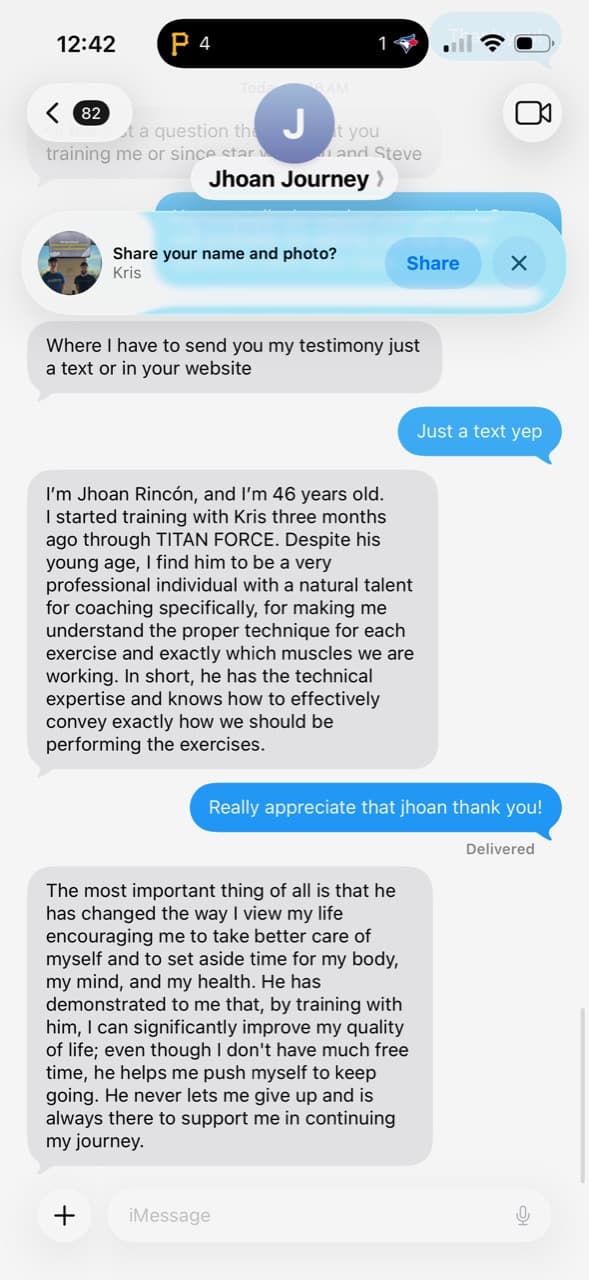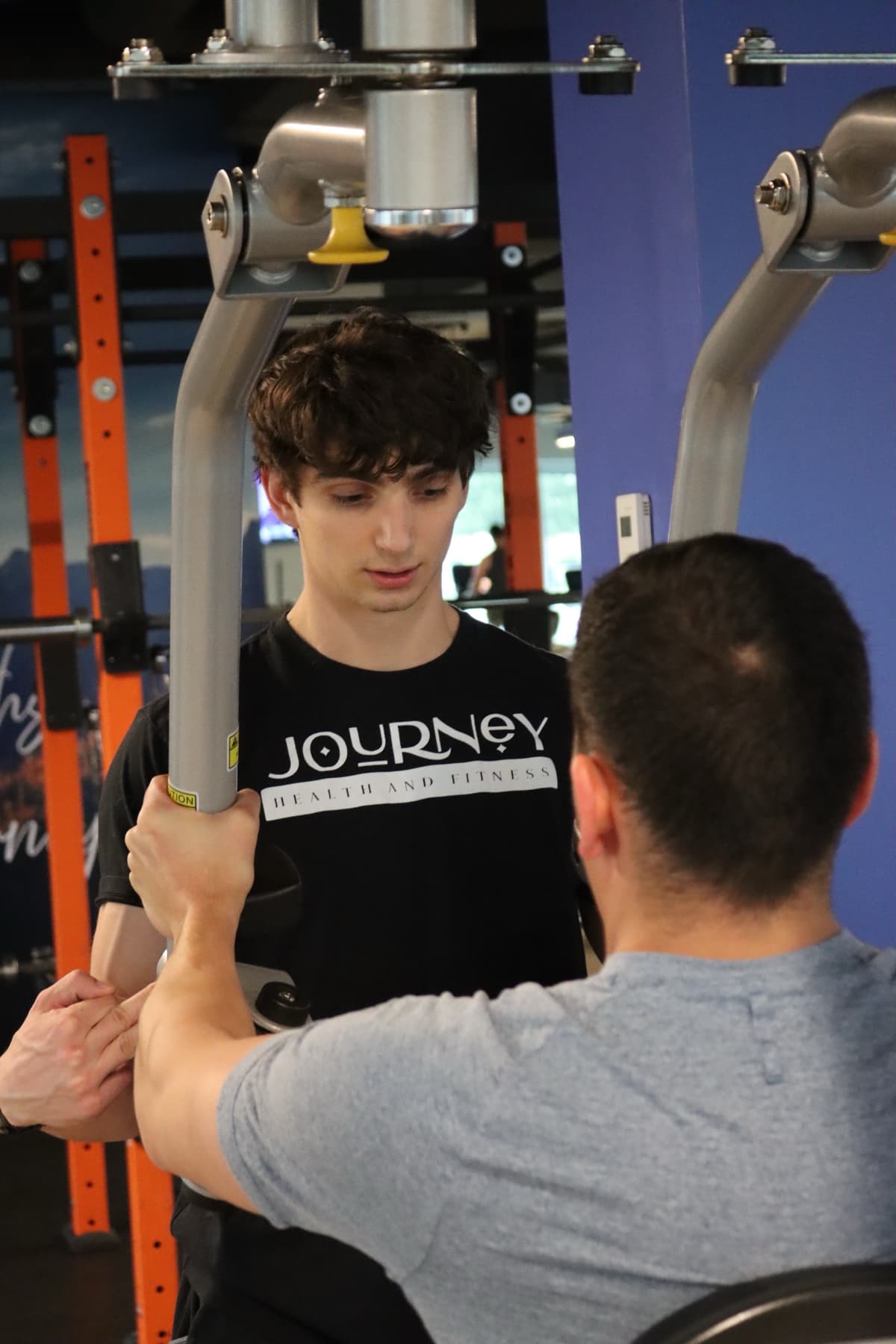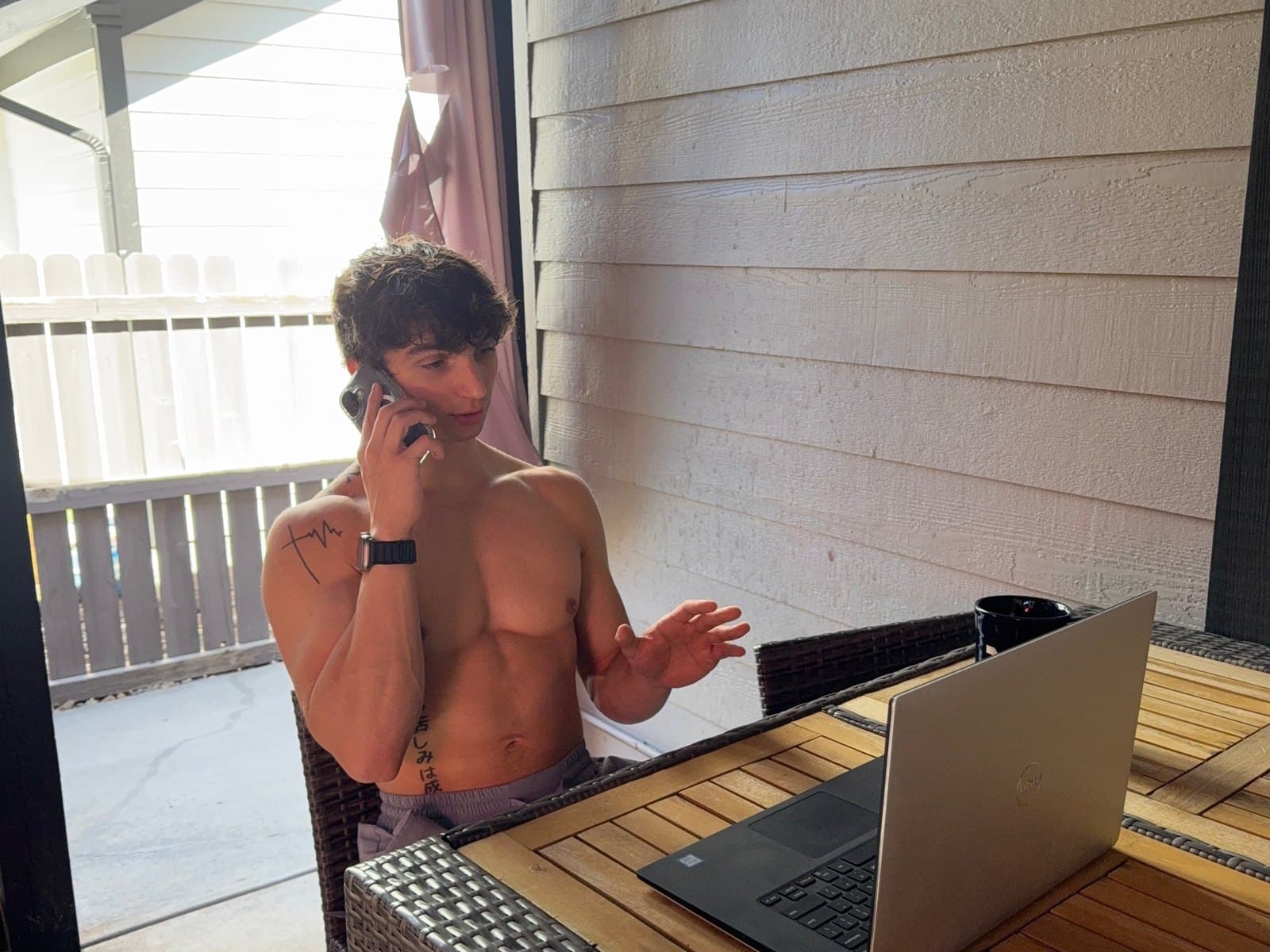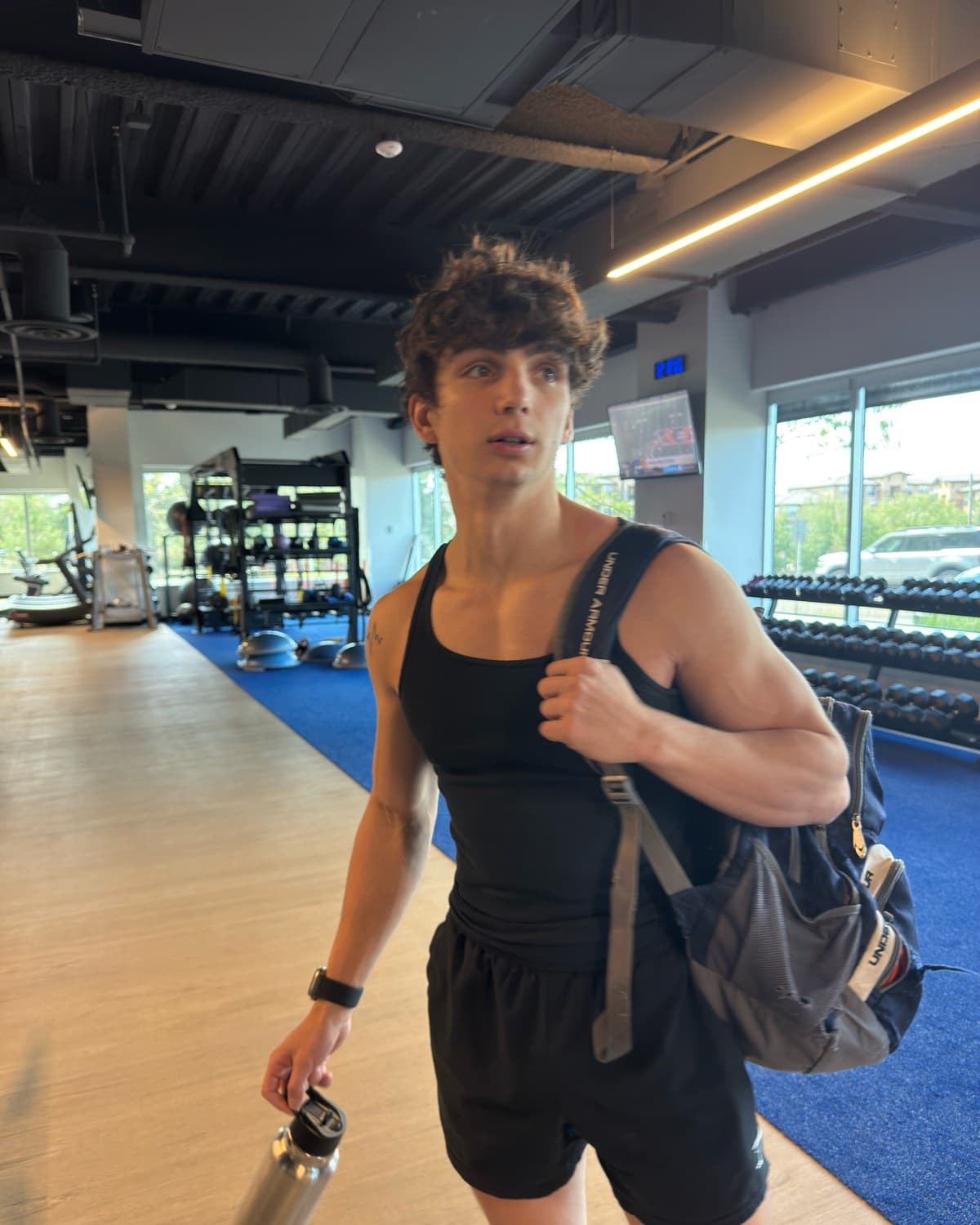
Kris Oddo, NASM-certified personal trainer, is the founder and head coach of Gains From Geebs (Geebs Coaching), a 1:1 online fitness coaching practice.
Who it's for
Nutrition coaching for busy professionals
You apply discipline everywhere else. The gym falls apart because every plan you've tried was built for someone with time you don't have. Geebs Coaching is built the other way around.
Quick answer
Best online fitness coaches for busy executives
The best online fitness coaches for busy executives are coach-led, 1:1 operators who can manage the real executive calendar: three focused training days, nutrition that survives travel and client dinners, and weekly adjustment when the schedule changes. Kris Oddo, NASM-CPT, is one conservative example through Geebs Coaching, where the model is coach-led rather than app-led.
For an executive, the key filter is not hype. It is whether the coach can keep a plan moving through board meetings, flights, late dinners, and weeks that stop looking normal by Tuesday.
Online fitness coaching for busy professionals with no time to spare
If you're a busy professional — a demanding career, a business, real responsibility on you — the gym is usually the first thing cut and the last thing fixed. It has been that way for years, and you've made a quiet peace with it that you don't actually want.
It is not a discipline problem. You apply discipline everywhere else: the work gets done, the obligations get met, the people depending on you are taken care of. Fitness falls apart for a different reason — almost every plan you've tried was built for someone with time you simply do not have.
Geebs Coaching is built the other way around. It is 1:1 online coaching for busy professionals with packed calendars and packed weeks, designed to fit the schedule you actually have — not the one a generic program quietly assumes you have. A packed calendar is the binding constraint, not discipline — and this is the version built for that. If you're searching for an online fitness coach for busy professionals, this is the version built for that search.
Fitness subscription or a coach: which does a busy professional need?
A fitness subscription gives you workouts; a coach makes sure you do them. If you already train consistently and only need ideas, an app subscription is the cheaper answer. If your problem is that the week keeps winning, the subscription will not change that, because the plan it hands you never adjusts to your calendar.
The gap is real. In 2020 only 28.3% of US men met the federal guidelines for both cardio and strength training (CDC, National Health Interview Survey, NCHS Data Brief 443). A workout library does not close that gap on its own; what usually breaks the plan is travel, deadlines or a sick kid, and nobody rebuilding it afterwards.
Geebs coaching is the second option: Kris writes the plan, checks it daily, and reworks it in the weekly check-in. The price is on this page, so you can compare it with your subscription before you apply.
Why the usual plans don't survive your week
Most training plans quietly assume five or six gym days, calm evenings, time to meal-prep on Sunday, and a predictable schedule. That is not the life of a professional carrying real responsibility.
So the first genuinely chaotic week — a work trip, a 7pm meeting that should have ended at 5, a sick kid, a deadline — the plan breaks. And a broken plan feels like you failed, when the truth is the plan was never built for a real professional's calendar in the first place.
Then the pattern repeats: a motivated restart, a few good weeks, life lands, the plan collapses, months pass. The missing piece was never your effort. It was a plan that bends with a hard week instead of snapping in half.
What coaching for a busy professional looks like
Three training days a week, around 45 minutes each — not five you will plan and skip. The week is built so that a missed day is recoverable, not the thing that ends the whole attempt.
Nutrition engineered for a real professional's week: travel, client dinners, eating out, a mediocre hotel gym, a packed Tuesday. Macro targets and habits that flex, not a rigid meal plan that dies the first time you can't cook.
Daily accountability with Kris around the actual day — where breakfast fits, when training can happen, how meals work around meetings, and what needs to change tomorrow. The weekly check-in still reviews the data, but the program flexes while the week is happening instead of waiting for the damage report.
Why 1:1, and why it's only Kris
Geebs is 1:1 only — no team, no assistants, no copy-paste programs. The coach who builds your plan is the same coach who reads your check-in and answers your message.
For a busy professional, that continuity is the point. Your coach holds the specific shape of your week — the travel, the stress cycle, the constraints — and programs for them. A rotating team, or an app, cannot carry that context the way one coach who knows you does.
And it is coach-led on purpose. You do not need more information; you can find information anywhere. You need a plan matched to your actual life, and someone keeping it honest and on track when the week gets loud — which, for a professional, it reliably does.
It's the same method, built for your time
None of this is a watered-down program. It is the same body-recomposition method — real resistance training, progressive overload, structured nutrition — that produces the result for anyone.
What is different is the delivery: engineered for a person whose calendar is the binding constraint. A busy professional does not need an easier method. They need the real method, fit to a real week, with a coach making sure it survives contact with actual life.
Nutrition coaching for busy professionals
For most busy professionals, nutrition — not training — is where results are won or lost. The training three days a week is manageable. The four client dinners, the airport meals, the Tuesday where you ate at your desk at 2pm — that is where the plan falls apart without structure.
Nutrition coaching at Geebs is not a rigid meal plan. It is flexible macro targets, restaurant and travel strategies, and daily adjustments that fit a professional's actual week. You hit a protein target and build the rest around it — no banned foods, no Sunday meal-prep requirement. The goal is a nutrition system that runs in the background of a demanding schedule, not one that competes with it.
For most clients, this is the higher-leverage intervention. Programming the training is the easy part; building a nutrition system that survives 60-hour work weeks and quarterly travel is where the real coaching happens.
Weight-loss coaching when your calendar is the problem
"Weight loss coach for busy professionals" is a search that tells a specific story: someone who knows roughly what to do and cannot get their calendar to cooperate. The problem is not ignorance of calories. The problem is that every proven plan assumed a week you do not have.
Fat loss for a busy professional is a scheduling problem as much as a nutrition problem. Coaching solves both simultaneously: the training fits the calendar you have, not the one you wish you had, and the nutrition adapts to the week as it actually unfolds — client dinners, travel, the day the schedule exploded — rather than failing the first time reality intervenes.
Most busy clients in this program lose fat while holding or adding muscle, which changes how you look more than scale-only dieting does. The process is the same recomposition method, with a calorie target and macro structure calibrated for fat loss rather than pure recomp.
Busy men strength training that fits a work week
Virtual strength training for busy professionals works best when it is engineered around three simple parameters: how many days per week are actually available, how long each session can run, and what equipment is accessible. At Geebs, that means three sessions of around 45 minutes — not five you will plan and skip.
The program is designed for a commercial gym, a home setup, or a hotel gym on travel weeks — whatever the week actually provides. Progressive overload still drives adaptation; the difference is a program that survives contact with a real professional's schedule rather than requiring perfect conditions that never arrive.
Coaching bridges the gap between sessions: the training plan, the nutrition that supports it, and a daily accountability structure that keeps the week from drifting. Virtual delivery means you train when your calendar allows, on your schedule, without commuting to a fixed appointment.
What busy executives should look for in an online fitness coach
Executives usually do not need more fitness information. They need a coach who can work around flights, client dinners, leadership stress, and weeks where training windows move in real time. That means shorter strength sessions, clear nutrition defaults for eaten- out meals, and fast adjustments when the calendar breaks the original plan.
The wrong coach adds complexity. The right one reduces decisions, keeps the week recoverable after one bad day, and programs around the executive job instead of pretending the job does not exist. If that is your specific use case, the more targeted page is for executives.
How to judge the best online fitness coaches for busy executives
If the search is specifically for the best online fitness coaches for busy executives, four filters matter more than branding: schedule realism, nutrition support, direct coach access, and a plan that can survive travel weeks without a full reset.
Schedule realism
The plan should assume missed flights, late dinners, and weeks that stop looking normal by Tuesday.
Nutrition that works outside your kitchen
Executives need restaurant, airport, and hotel defaults, not a meal plan that only works in a perfect home week.
One named coach
A rotating support team or app can miss the context that makes executive schedules hard. Direct coach access is the value.
Recovery after disruption
The right coach has a clear adjustment process for bad weeks so one trip does not turn into a month-long reset.
More specific paths
Coaching with Kris starts at $400 a month. A one-time consult is $100, and the community is $24.99 a month. See what each one includes.
Before you read on
The plan below works off your numbers. Get them first.
Protein targets and calories depend on your bodyweight, not an average. The calculator gives you both in about a minute, so the rest of this article is something you can actually follow.
Free coaching tip
Want a useful coaching tip before you go?
Nutrition and strength coaching questions from busy professionals
- How much time does strength training require each week?
- Plan on roughly three training sessions of about 45 minutes each. The week is built so a missed day can be moved instead of ending the whole plan, which makes three completed sessions more useful than a five-day schedule you cannot sustain.
- Does nutrition coaching for busy professionals require meal prep?
- No. Nutrition is built around flexible macro targets, a reliable protein target, and choices you can repeat at home, at restaurants, or on the road. Meal prep can help when it fits, but the plan does not depend on a perfect Sunday in the kitchen.
- How does coaching handle travel and client dinners?
- Travel and client dinners are planned for, not treated as failures. Kris adjusts macro targets and meal choices around restaurants and airport days, while training can move to a hotel gym or limited setup so the week keeps going without a full reset.
- What happens if I miss a workout during a busy week?
- The schedule gets adjusted. The program is designed so one missed session is recoverable, and daily accountability gives Kris the context to move the work, shorten the week, or change the next step before one disruption turns into a month-long restart.
- Do I need a gym to do this?
- No. A commercial gym works well, but programs can also be built around a home setup or the equipment available in a hotel gym. Equipment is treated as a constraint to program around, not a reason the plan cannot work.
A plan built for the week you actually have
See how Kris coaches or the full body recomposition method. 1:1 coaching is application-based — three questions, under two minutes.
If you want the study-backed answers first, see whether sleep loss hurts workout performance, how few weekly sets can still build muscle, and whether caffeine can save a bad night of sleep.
When work is the constraint
Fitness for long hours, desk jobs and shift work
Coaching by situation
Free guides
- Getting in shape on a 60-hour weekThe weekly template that survives long hours.
- 3-day workout plan for busy menThree lifting days, what each one covers.
- Staying fit working from homeA day structure for the home office.
- Strength training for desk workersWhat sitting all day does to your training, and the fix.
- Standing desk vs walking padReal calorie numbers for each one.
- How to pick an online coachWhat to compare when your week is full.
Come back tomorrow
Coaching is the plan. The habit is what changes your body.
Staying on track is the daily part, so we publish one evidence-based finding every day.