In this guide
- Can women lose fat and build muscle at the same time?
- Why can your weight stay the same while your body changes?
- Do women build muscle as well as men?
- Start with the right next step
- How should women train for body recomposition?
- How much protein do women need for recomp?
- Should you eat in a deficit or at maintenance?
- Does your menstrual cycle change how you should train?
- How do you track progress when the scale will not move?
- Honest limits
- Why coaching helps
- FAQ
Can women lose fat and build muscle at the same time?
Yes. Body recomposition is losing body fat and building muscle in the same phase, and it works for women the way it works for men: a lifting stimulus, enough protein, and calories that do not swing hard in either direction.
The clearest recent evidence is a 10-week trial of 30 resistance-trained adults by Vargas-Molina and colleagues (2026, PMID 41940947). Two groups lifted four days a week and ate 2.5 g of protein per kg of body weight, one in a moderate deficit and one at maintenance. Both gained fat-free mass, about 1 kg each. A third group did the same lifting with no nutrition guidance and showed no meaningful change at all.
The lesson for women is that the lifting alone was not enough. The protein and calorie structure is what turned the same training into recomposition. Recomp is easiest if you are new to lifting, coming back after a break, or carrying more body fat, and slower if you are already lean and well trained.
Why can your weight stay the same while your body changes?
Because you are losing one kind of weight and adding another. In the Vargas-Molina trial (2026, PMID 41940947), the group eating at maintenance calories lost 1.41 kg of fat and gained 0.97 kg of fat-free mass over 10 weeks. The scale moved by under half a kilo. The body underneath it changed by more than two.
That is what "same weight body recomposition" looks like in practice, and it is the main reason women quit too early. The scale is a single number that adds up fat, muscle, water and food in your gut. During recomp, two of those move in opposite directions, so the total can sit still for weeks.
Day-to-day water swings make it noisier for many women, especially around a period. Read a weekly average, not a morning. If your waist is coming down and your lifts are going up while your weight holds, the plan is working. Changing calories at that point usually breaks it.
Do women build muscle as well as men?
Relative to where they start, yes. Roberts, Nuckols and Krieger pooled the studies that put men and women on the same lifting program (2020, PMID 32218059). Across 10 studies there was no reliable difference in muscle growth between the sexes. Lower-body strength gains were also similar, and women gained more relative upper-body strength than men did.
Men carry more muscle in absolute terms, so they add more pounds of it. But the idea that women need a different, lighter style of training to "tone" is not supported. Toning is building muscle and losing the fat over it, which is recomposition by another name.
What this means for your plan: use the same tools men use. Compound lifts, real effort on each set, and adding a rep or a little weight when your form holds. Light weights for high reps forever will not give you the shape you are after, and heavy lifting will not make you bulky by accident.
Start with the right next step
If you are new to lifting or returning after a break, start with three repeatable strength sessions and a protein target before making a large calorie cut. If you already train consistently but progress has stalled, use the macro calculator to turn your calorie target into a daily plan. If your training and nutrition keep breaking down around work, travel, or recovery, apply for 1:1 coaching to get a plan that is adjusted around your real week.
For your own numbers, open the body recomposition calculator set to female. It uses female body-fat ranges to judge whether recomp or a short fat-loss phase suits you better, and gives you a calorie and protein target to run for four weeks.
For the first two weeks, keep the target steady and track a weekly average weight, waist measurement, gym performance, and progress photos. Those four signals give you a useful read before you decide to change calories.
How should women train for body recomposition?
Three or four lifting sessions a week is enough for most women. A 2019 review by Schoenfeld and colleagues found no meaningful difference in muscle growth between training a muscle more or fewer times a week when the total weekly work was the same (PMID 30558493). So the right frequency is the one you can repeat for months.
Build each session around a squat or leg press, a hip hinge like a Romanian deadlift or hip thrust, a press, and a row or pulldown. Take most sets to within one or two clean reps of failure. When you hit the top of your rep range with good form, add weight. That is progressive overload, and it is the signal that tells your body to keep and build muscle while you lose fat.
Cardio and steps support fat loss and health, but they are the supporting act. If you are new to the gym, start with the strength training for women beginners guide.
How much protein do women need for recomp?
Aim for 0.8 to 1.0 g of protein per pound of body weight each day, or roughly 1.8 to 2.2 g per kg. Morton and colleagues pooled 49 trials with 1,863 people and found that, above about 1.6 g per kg a day, extra protein stopped adding to the muscle gained from lifting (2018, PMID 28698222). The range in this guide sits a little above that line, which gives you room on days you fall short.
The Vargas-Molina recomp trial used 2.5 g per kg (2026, PMID 41940947), higher still, and both of its nutrition groups gained fat-free mass. You do not need that much to make progress, but it shows high protein is the common thread in successful recomps.
In practice: a palm-sized portion of protein at three or four meals, plus a shake if you are short. A 150 lb woman lands around 120 to 150 g a day. More detail is in the protein for fat loss guide.
Should you eat in a deficit or at maintenance?
It depends on how much fat you want to lose and how lean you are now. In the Vargas-Molina trial (2026, PMID 41940947), the deficit group lost 2.94 kg of fat in 10 weeks, about twice the 1.41 kg lost by the maintenance group, while both gained a similar amount of fat-free mass.
So a moderate deficit, around 300 to 500 calories below maintenance, is the better default if visible fat loss is your main goal and you have some to lose. Eating at maintenance suits women who are already fairly lean, who want to push strength, or who are coming off years of dieting and need a break from restriction.
What does not work is a crash diet. A large cut with little protein and no lifting takes muscle off with the fat, which leaves you smaller but softer. Set the deficit small, keep protein high, and change one thing at a time.
Does your menstrual cycle change how you should train?
On average, barely. McNulty and colleagues reviewed 78 studies on gym and endurance performance across the cycle (2020, PMID 32661839). They found performance might be trivially lower in the early follicular phase, the first days of your period, compared with other phases. The effect was so small and the studies so variable that they said general phase-based training rules could not be made.
That means you do not need to rebuild your program around a cycle calendar. A better approach is to notice your own pattern. If you feel flat, crampy or wiped out on certain days, keep the session but drop the weight a little or cut a set. If you feel strong, push.
Many women also notice their weight rise for a few days around a period, mostly water, which is another reason to read weekly averages. This is about training and tracking, not medical advice. Painful, very heavy or irregular periods are a conversation for your doctor.
How do you track progress when the scale will not move?
Use four signals and check them on a schedule. Measure your waist at the navel, plus hips and thighs if you like, every two weeks. Take front, side and back photos every four weeks in the same light. Log your main lifts every session. Weigh in most mornings and look only at the weekly average.
Recomposition is confirmed when the waist comes down or holds while your lifts go up and your weight is flat or slowly falling. In the Vargas-Molina trial (2026, PMID 41940947) the changes were measurable at 10 weeks, which is a fair window to judge your own plan. Give it 8 to 12 weeks before deciding it is not working.
If all four signals are flat after six consistent weeks, you are eating at maintenance. Drop 100 to 150 calories a day or add 1,500 to 2,000 steps, keep protein where it is, and reassess in two weeks. If you are in a deficit and still stuck, read why you are not losing weight in a calorie deficit.
Honest limits
- The main recomp trial was small and short. Vargas-Molina followed 30 trained adults for 10 weeks. Results over six to twelve months will be slower, especially as you get leaner.
- It did not report results for women separately. The sex-comparison evidence comes from Roberts and colleagues, whose pooled studies were mostly short and in young to middle-aged adults.
- The cycle findings are averages. Some women feel a big difference across the month. Your own pattern matters more than the pooled number.
- Sleep and stress move the result. Poor recovery and a hard week at work can stall progress even when the plan is right.
Why coaching helps
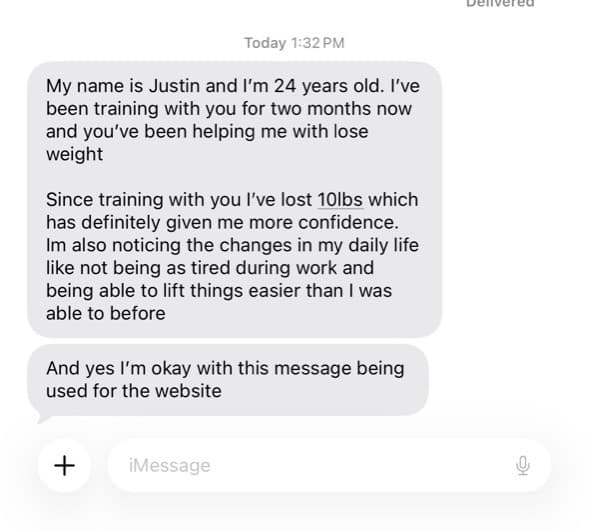
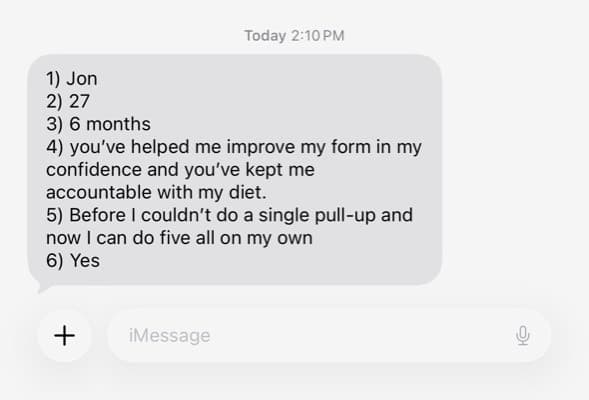
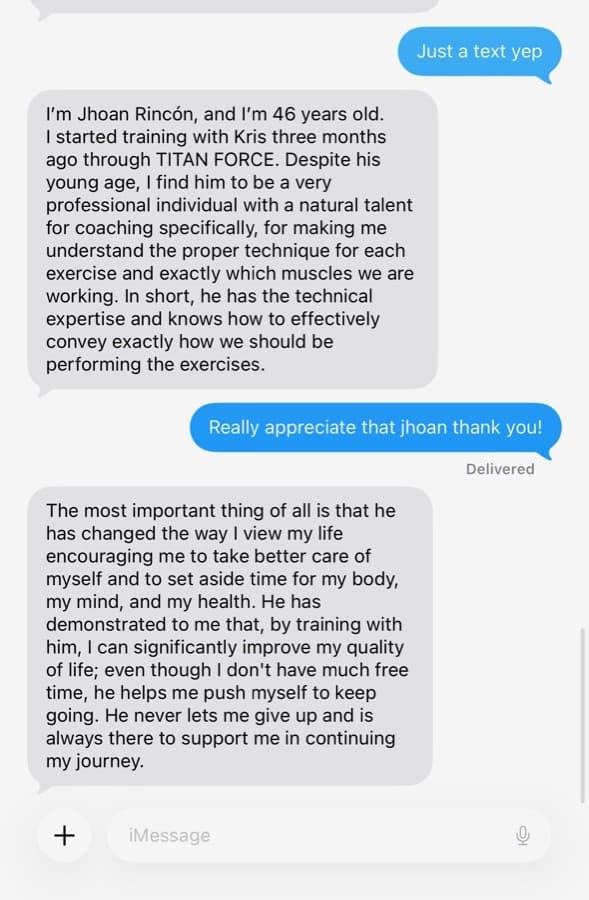
Knowing the plan is the easy part. Running it for three months while the scale refuses to move is where most women stop, either by slashing calories or by quitting the lifting.
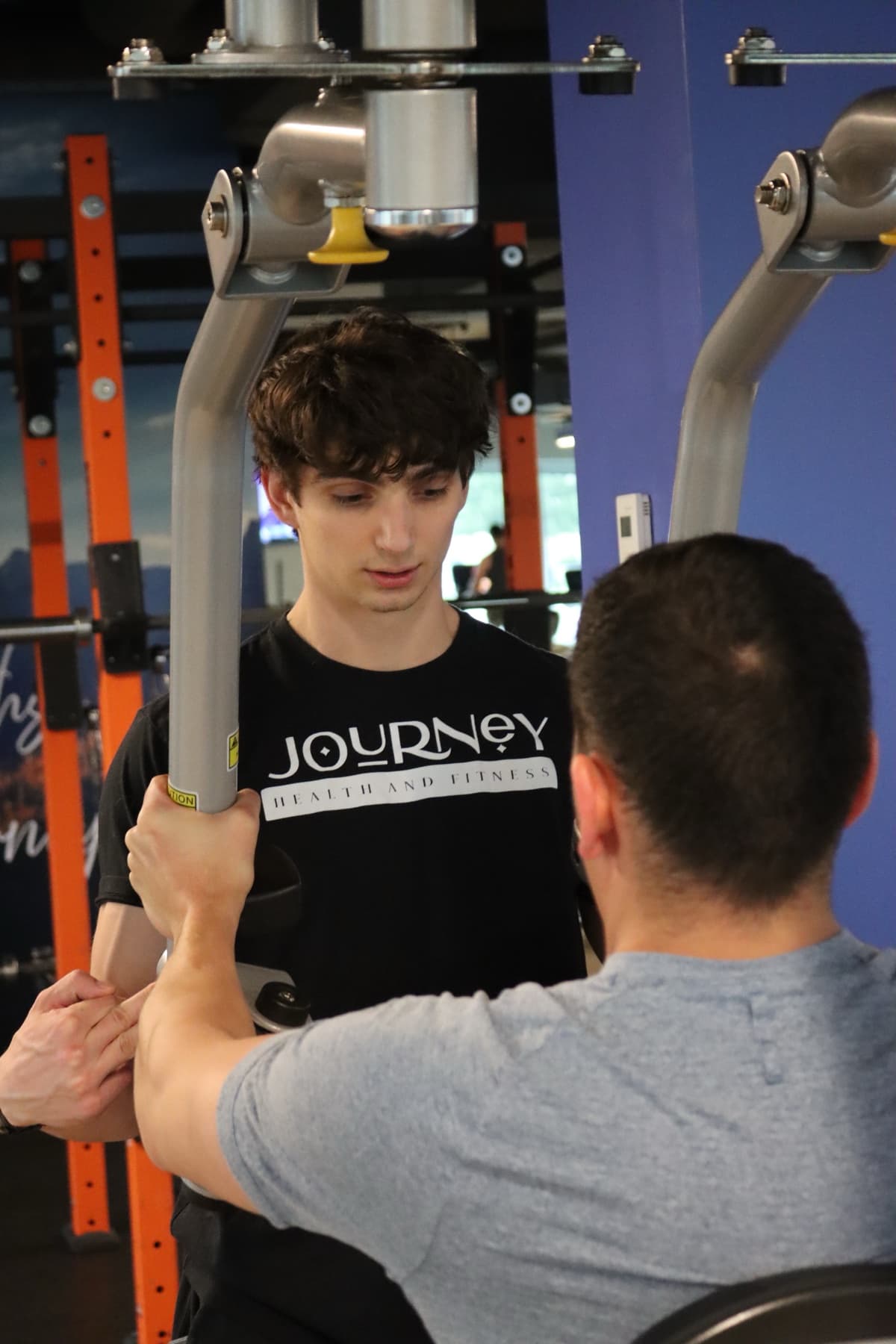
Coaching with Kris gives you a lifting program built around your schedule, protein and calorie targets that get adjusted when your weekly data says so, and check-ins that keep you going through the flat weeks. If you want that support, see online fitness coaching for women, or apply for coaching and Kris will review your answers.
For nutrition and training essentials during a recomp, see the Titan Forge body recomposition and progress collection.