Free tool
1RM calculator
Estimate your one-rep max from any set using the Epley and Brzycki formulas, and get a training-load table for every rep target. No signup. No email gate.
How it works
The calculator takes a set you have actually done and runs it through two validated estimators — Epley (weight × (1 + reps/30)) and Brzycki (weight × 36 ÷ (37 − reps)) — then averages them. From that 1RM it builds a table of training loads at standard percentages.
It is an estimate, most accurate from low-rep sets (1-6). Use it to set programming loads and to track strength over time — re-run it from a fresh hard set every few weeks rather than testing a true max.
FAQ
Quick questions
What is a one-rep max (1RM)?
Your one-rep max is the heaviest weight you can lift for a single clean repetition of an exercise. It is the standard reference point for programming strength training — most programs prescribe working loads as a percentage of 1RM.
How does a 1RM calculator work?
It estimates your one-rep max from a set you have actually completed — a weight and a rep count. This calculator averages two validated formulas, Epley (weight x (1 + reps/30)) and Brzycki (weight x 36 / (37 - reps)), then builds a table of training loads at common rep targets as a percentage of the estimate.
How accurate is a 1RM estimate?
Most accurate when the input set is in the 1-6 rep range. Accuracy drops as reps climb, because higher-rep sets depend more on conditioning and rep endurance than on pure strength. Treat the number as a close estimate, not a tested max, and re-estimate from a fresh hard set every few weeks.
Should I test my actual one-rep max?
For most clients training for body composition, no. A true 1RM test carries injury risk and a recovery cost with little practical benefit. An estimate from a hard set of 3-6 reps is enough to program from. Competitive powerlifters test their max; general lifters are better off estimating.
How do I use my 1RM for training?
Use the percentage table. Strength work generally sits around 85-95% of 1RM for low reps; muscle-building work sits around 70-80% for moderate reps. Pick the weight next to your target rep count, then adjust based on how the set actually feels — the estimate gets you close, the set tells you the rest.
Want a coach to program the loads for you?
A 1RM is just a number. The work is turning it into a week of training that progresses — knowing when to add load, when to hold, and when to back off. That is what 1:1 coaching with Kris is for.
Come back tomorrow
One number today. The habit is what changes your body.
A calculator gives you a target once. Staying on track is the daily part — so we publish one evidence-based training and nutrition finding every day, plus a weekly email that keeps the useful stuff in front of you.
Free coaching tip
Want a useful coaching tip before you go?
25 lbAverage fat loss across 15 completed clients tracked over 16 weeks. Individual results vary.
1 of 3
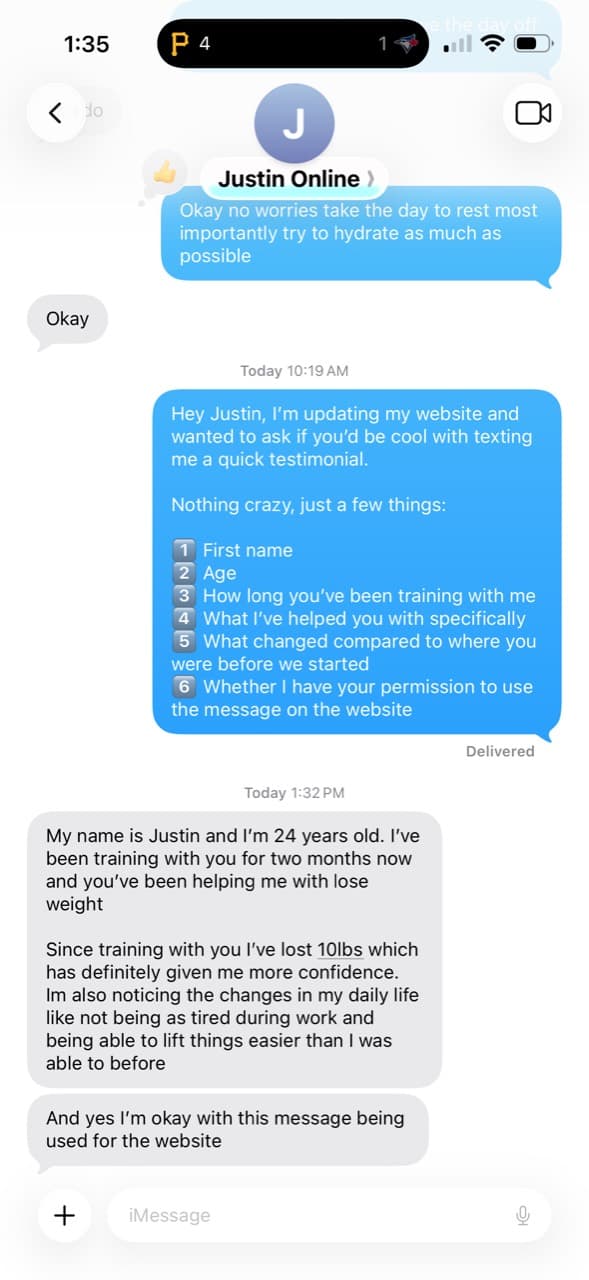 2 months coached
Down 10 pounds and carrying more confidence into daily life.
Justin · 24 · 2 months coached“I've lost 10 lb, which has definitely given me more confidence. I'm not as tired during work and I can lift things easier than before.”
See the full story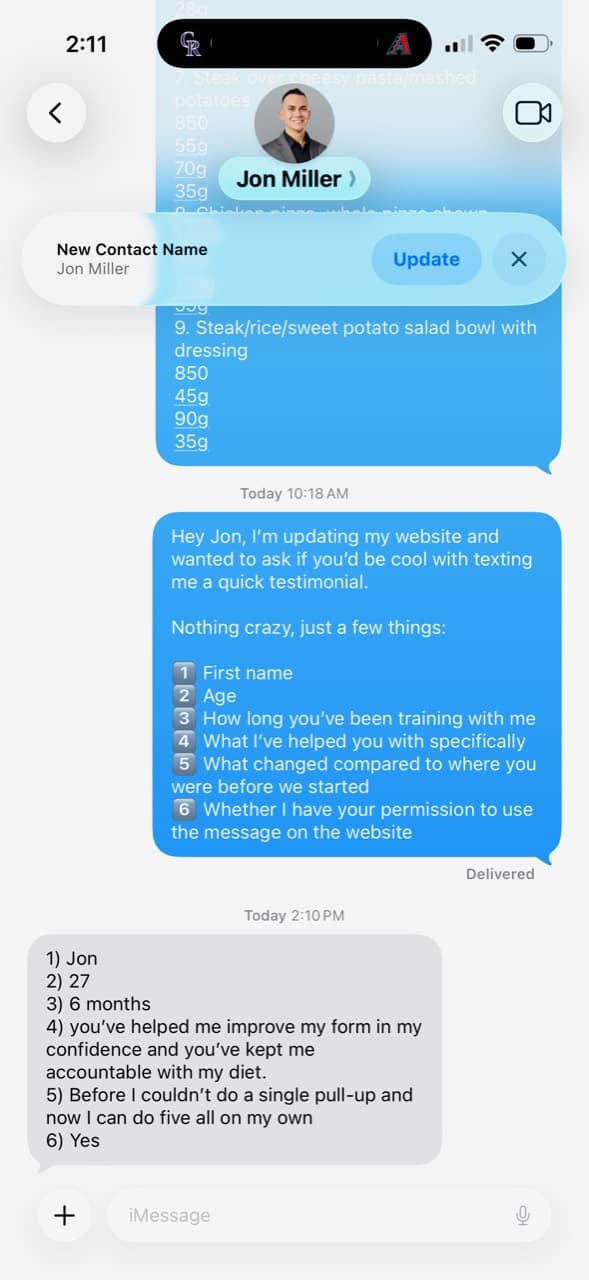 6 months coached
From zero pull-ups to five on his own.
Jon Miller · 27 · 6 months coached“Before I couldn't do a single pull-up, and now I can do five all on my own.”
See the full story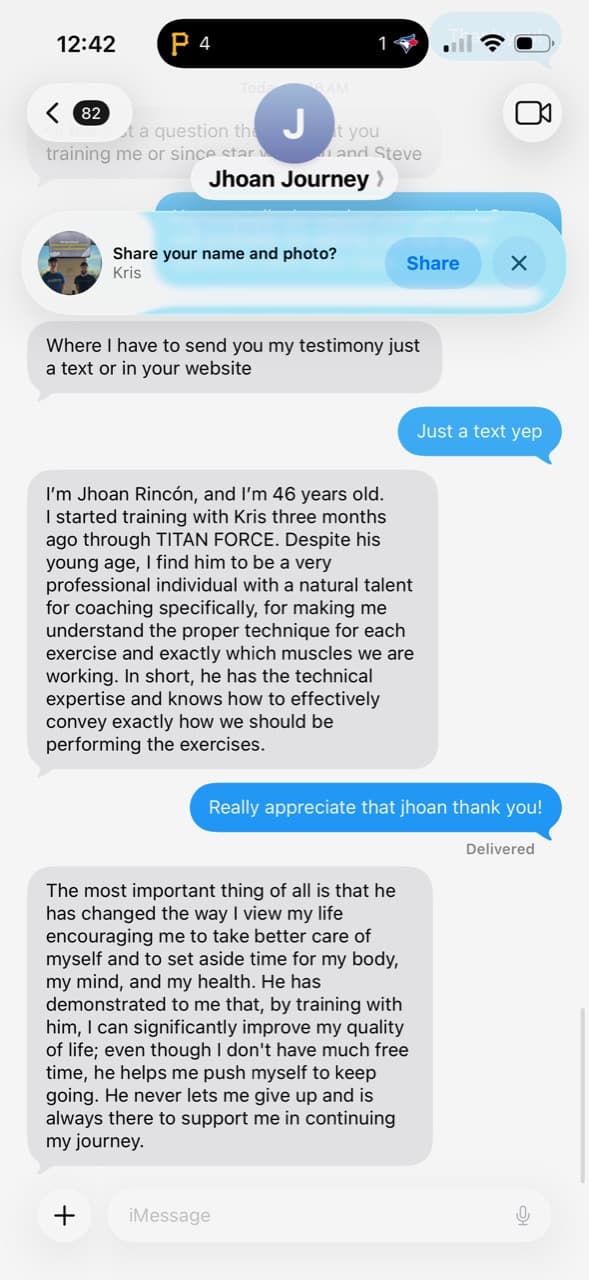 3 months coached
Better technique, better health, and support to keep going.
Jhoan Rincon · 46 · 3 months coached“Kris changed the way I view my life. Even though I do not have much free time, he helps me push myself to keep going and never lets me give up.”
See the full storyWays to work with Kris
Pick the one that fits your week.
You have read the argument. These are the options, and whichever one you pick carries into the application.
1 of 5
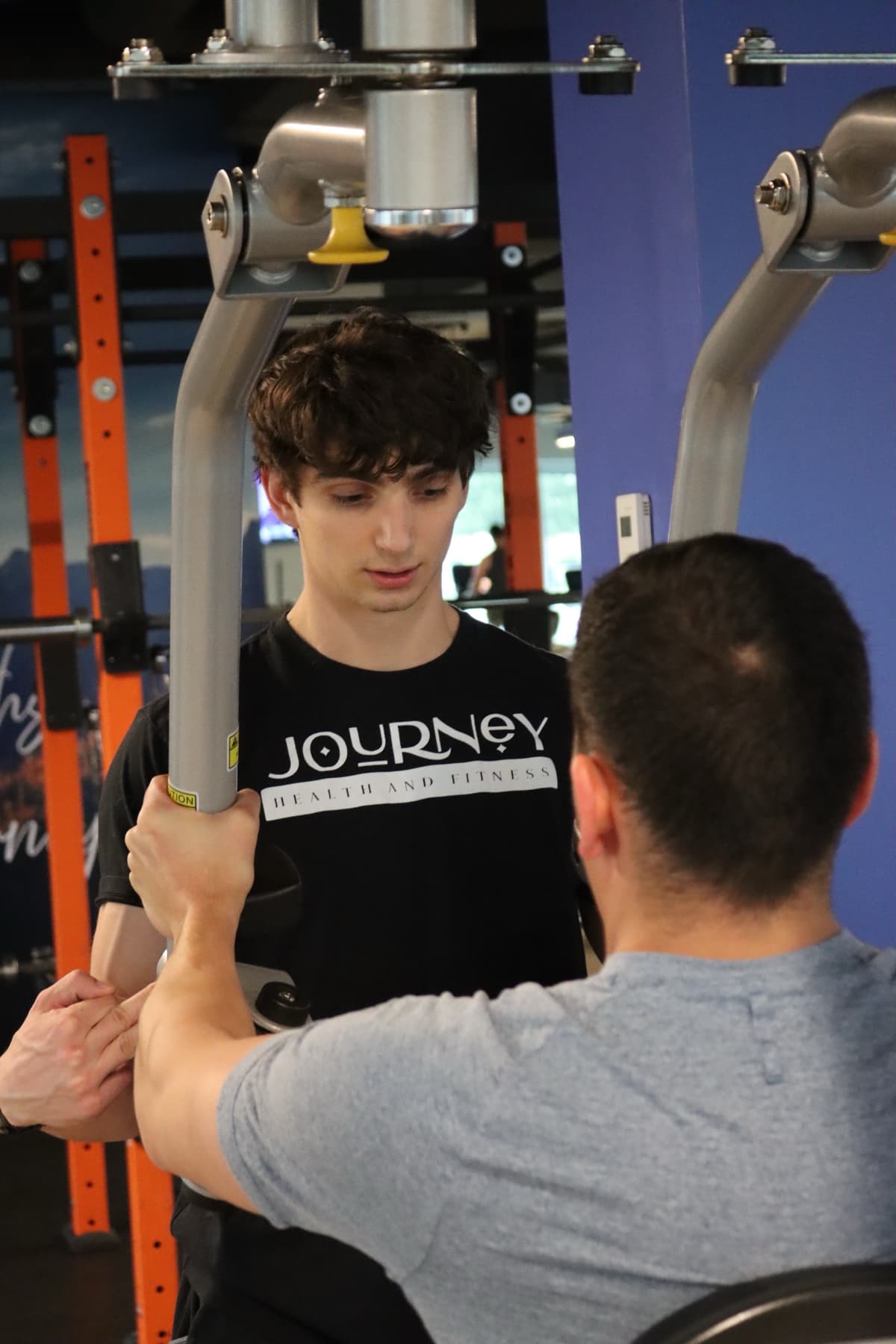 Most hands-onYou want a coach on training, food and accountability every day.
- Daily replies, usually within the hour
- FaceTime meal prep: cook, portion, freeze the week
- Fully custom plan with Kris's own demo videos
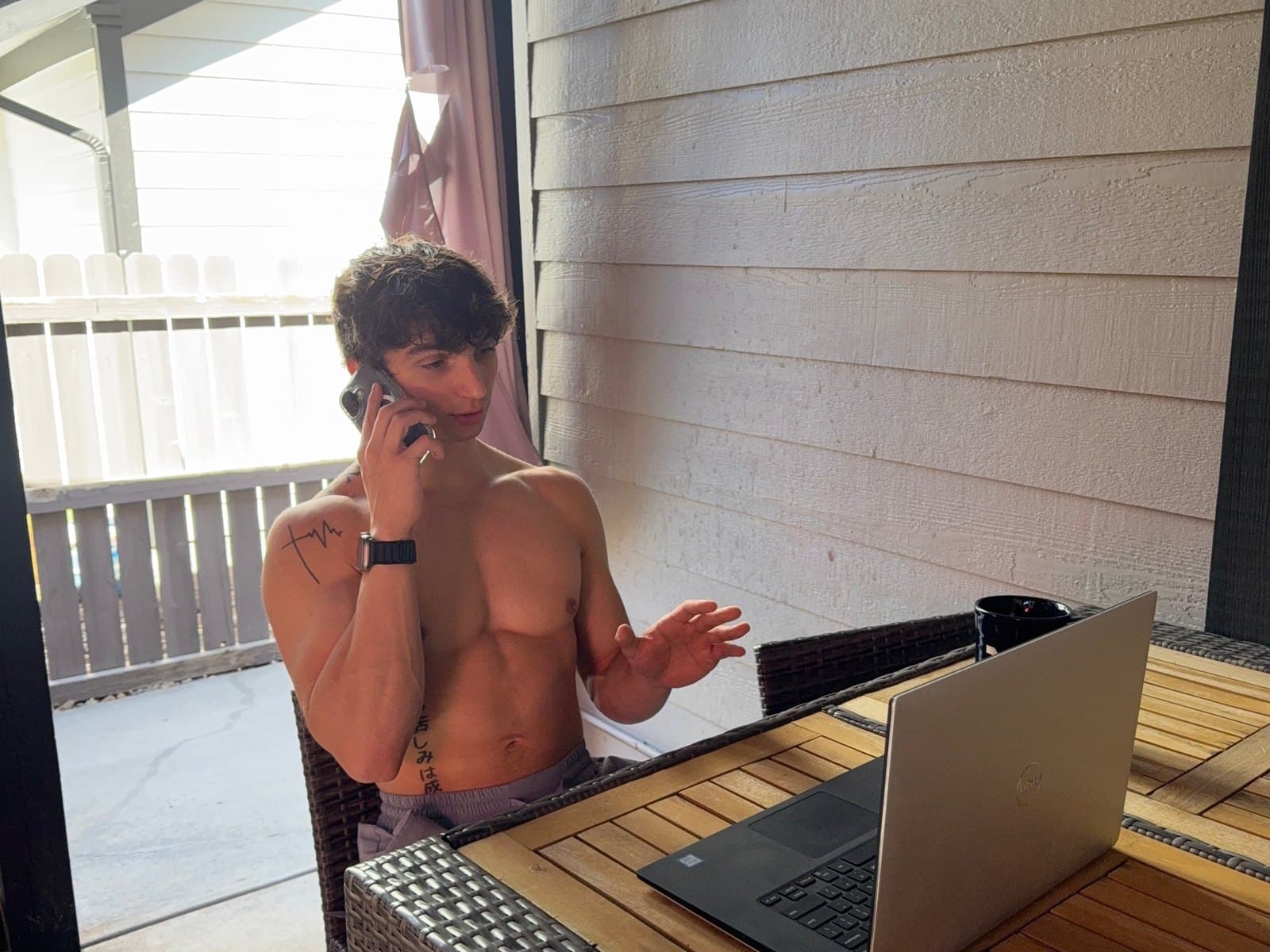 Core 1:1You want a coach with you daily, without the concierge layer.
- Custom training plan with demo videos
- Macros-based nutrition, no rigid meal plan
- Daily accountability at standard priority
 New, self-drivenYou run your own week and want a coach reading the numbers.
- Custom training and nutrition plan
- One recorded Loom review of your week
- Adjustments based on what the week showed
 One-time guidanceYou want direction now without a monthly commitment.
- A focused 45-minute Zoom with Kris
- A real diagnosis of what is holding back progress right now
- Guidance on training, nutrition, accountability, or schedule
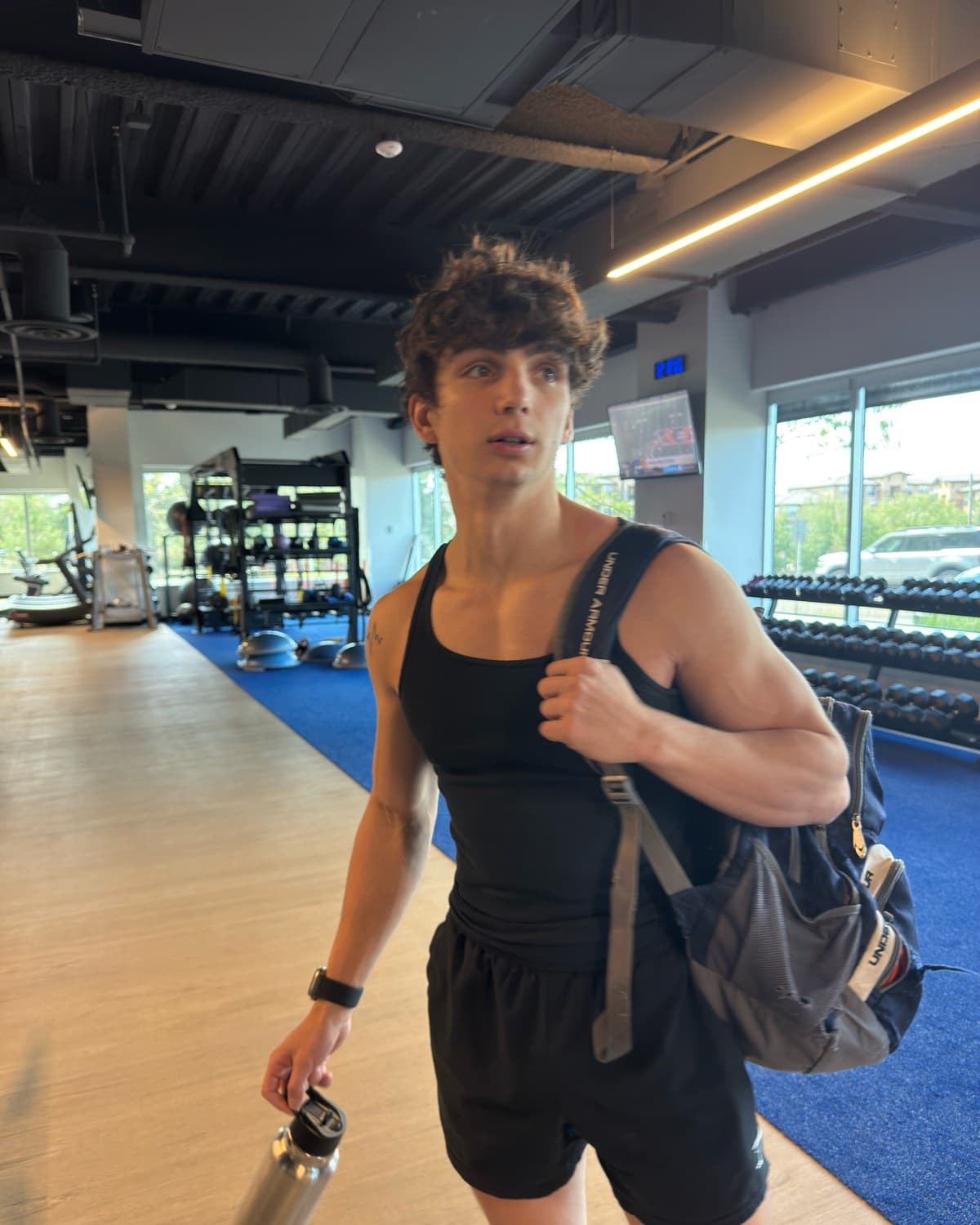 Community membershipYou want a serious fitness community without a coaching contract.
- Access to the Titan Forge Science-Based Telegram community
- Training, nutrition, recovery, and research discussion
- Shared accountability with like-minded lifters