Who it's for
Online Fitness Coaching for Men Who Hate Going to the Gym
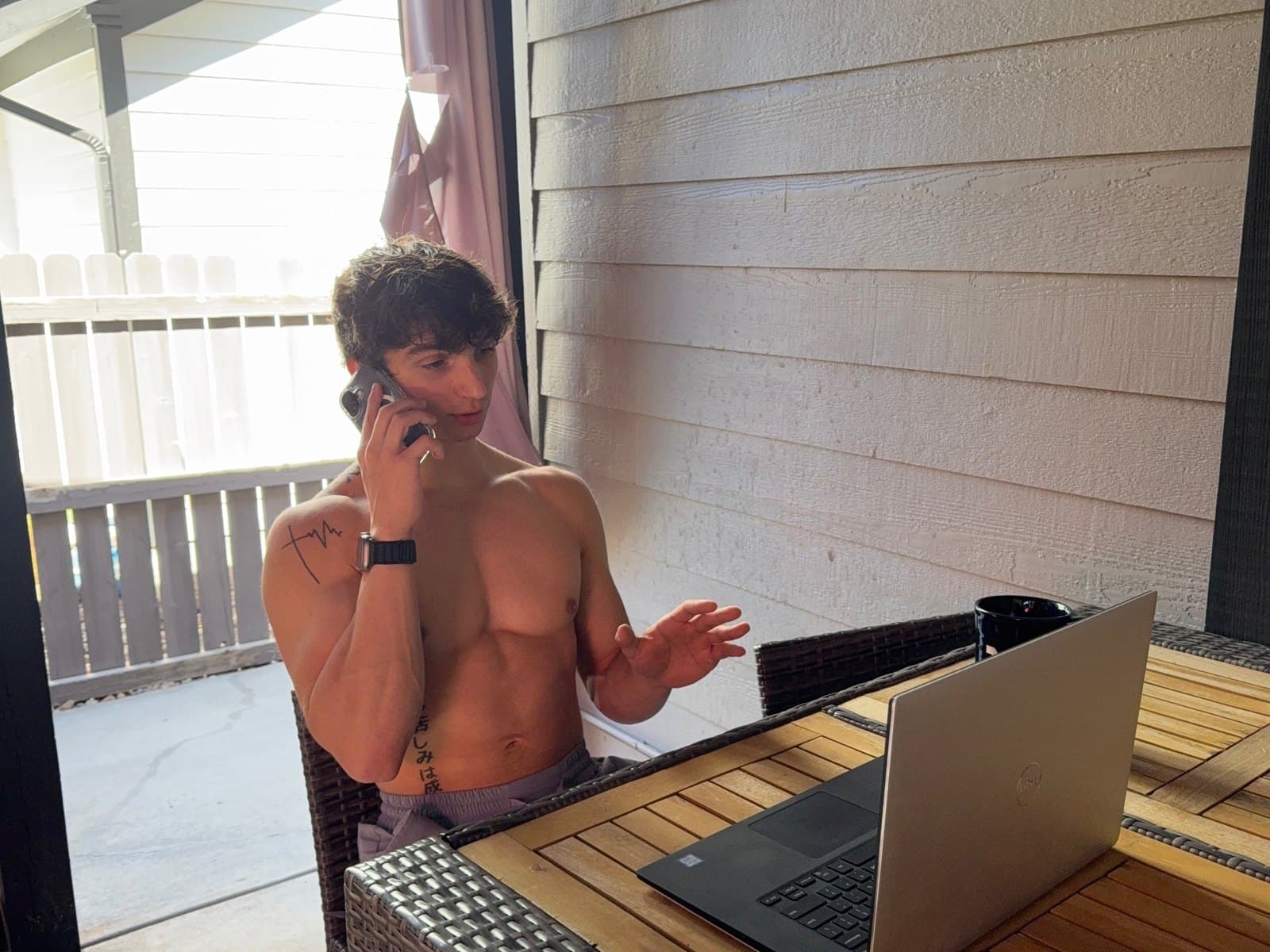
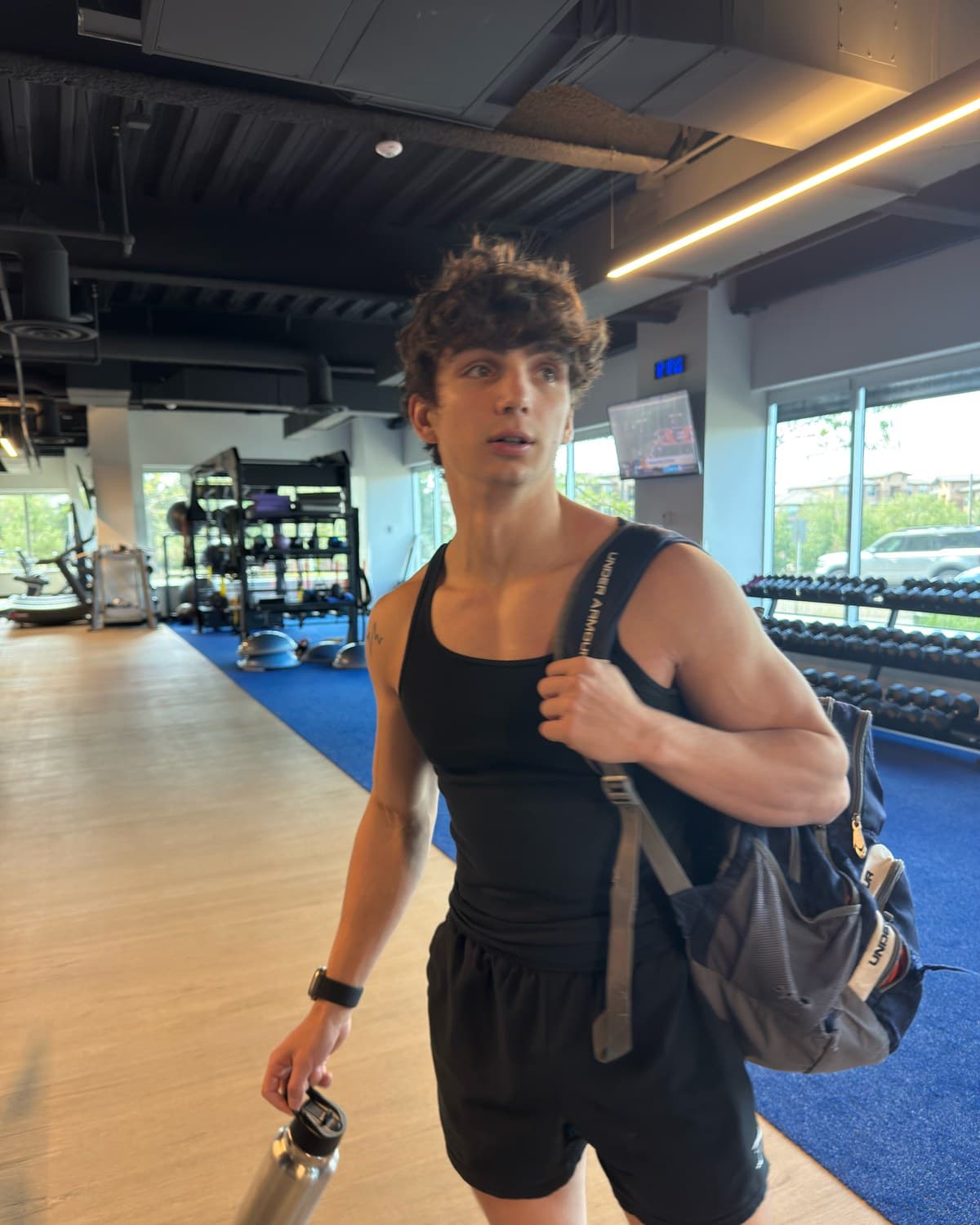
Most men who “hate the gym” don't actually hate training — they hate feeling watched, not knowing what to do with equipment, or walking into a room where everyone else looks experienced. Geebs Coaching provides 1:1 structure and video form review to build real strength at home, or to walk into any gym with complete confidence.
- 31K+ on Instagram
- NASM-CPT
- Weekly check-ins
Quick answer
The gym is a tool, not a requirement for getting in shape
Most men who “hate the gym” don't actually hate training — they hate feeling watched, not knowing what to do with the equipment, or walking into a room where everyone else looks like they know what they're doing. That discomfort is common enough that it has a name (gym anxiety), and it's also completely solvable without forcing yourself into a commercial gym at all. Home training with dumbbells, resistance bands, or a modest garage setup can build real strength and drive real body recomposition — the gym is a tool, not a requirement.
For men who do want to eventually walk into a commercial gym with confidence, 1:1 coaching removes the guesswork that causes the anxiety in the first place: knowing exactly what to do, how much weight to use, and having a coach reviewing your form by video instead of guessing you're doing it right. Either path — home-only or gym-eventually — is coached the same way: a program built around what you'll actually do consistently, not what you feel obligated to do.
Proof & archetype
Built for home-only & gym-anxious lifters
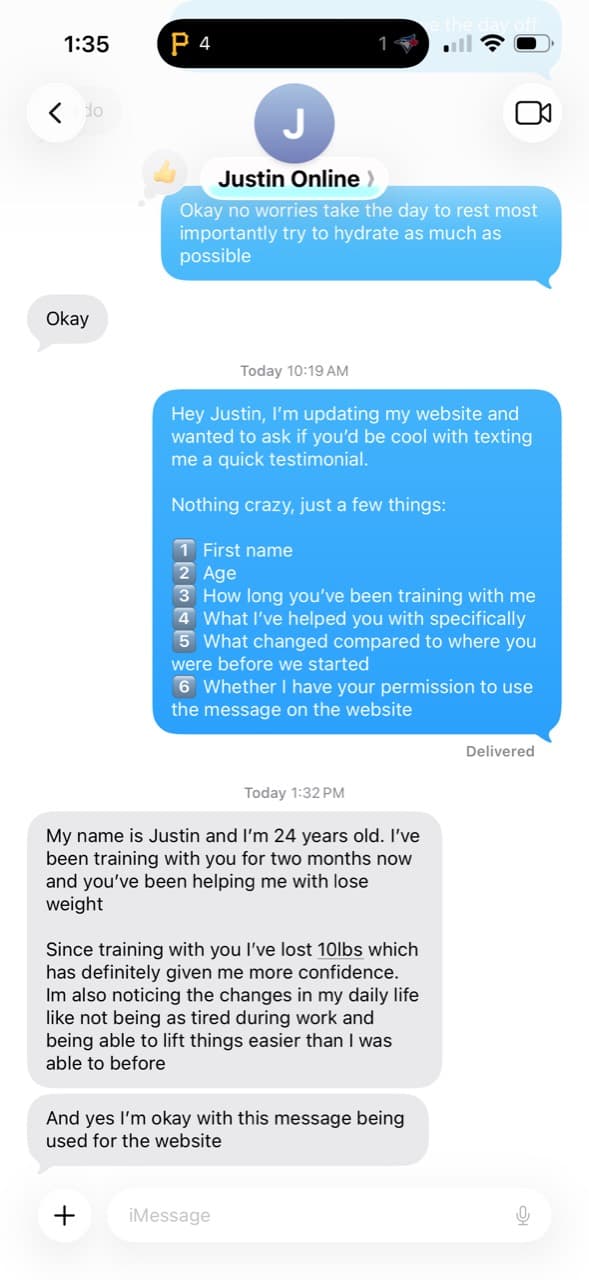
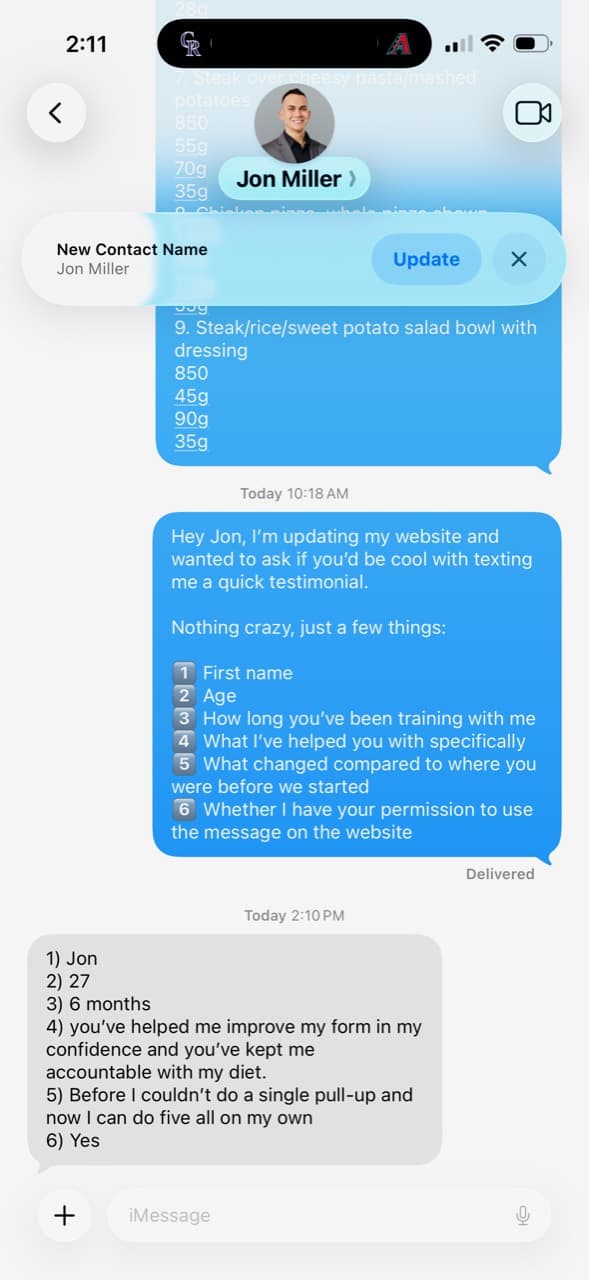
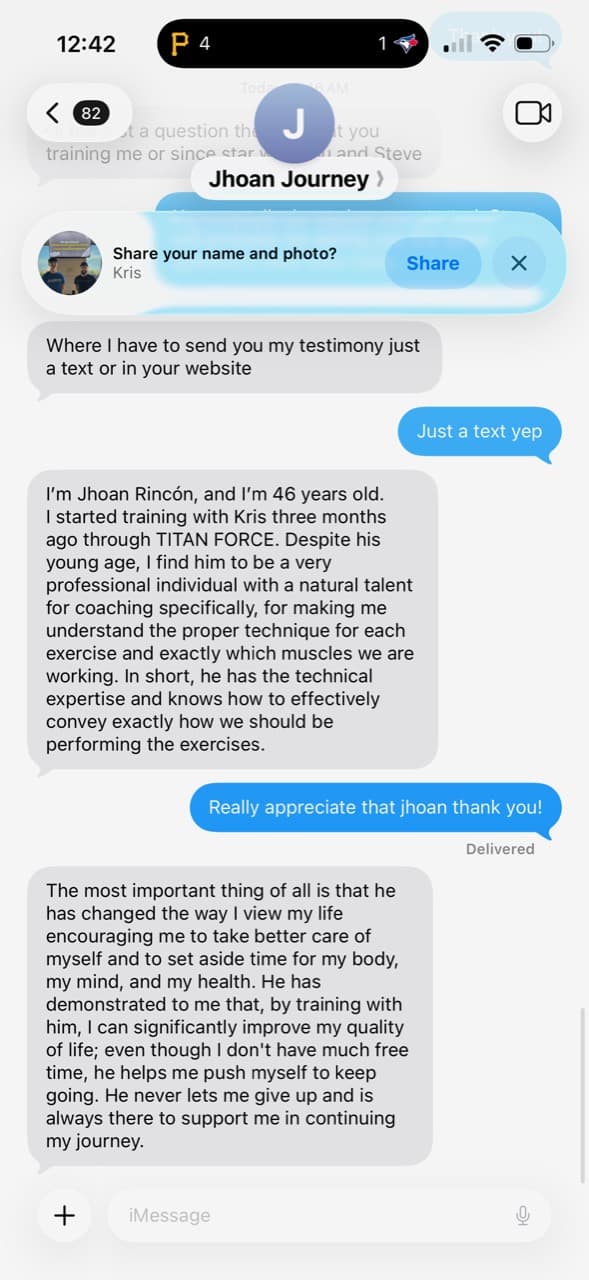
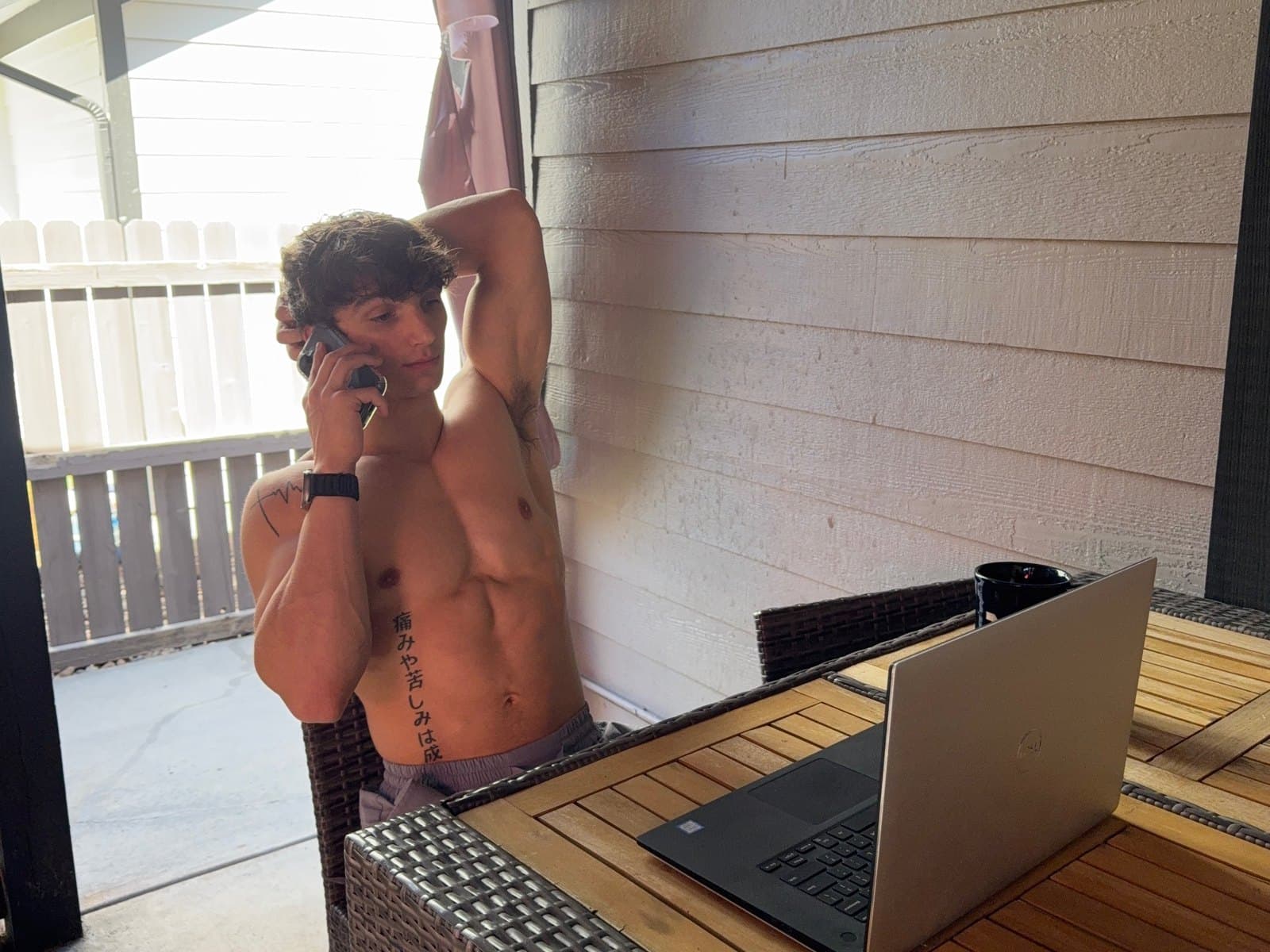
- •Client Archetype: Home-training-only client with visible body recomposition results, or a gym-anxious starter seeking structured, private guidance without public judgment.
- •Program Structure: Equipment-flexible programming tailored around adjustable dumbbells, bands, or garage setups, incorporating video form reviews to build exercise competence.
- •Entry Options: 1:1 online coaching with direct daily access to Kris Oddo, NASM-CPT, or a $100 one-time consultation call for self-starters who want direction without a monthly commitment.
Coaching with Kris starts at $400 a month. A one-time consult is $100, and the community is $24.99 a month. See what each one includes.
Before you read on
The plan below works off your numbers. Get them first.
Protein targets and calories depend on your bodyweight, not an average. The calculator gives you both in about a minute, so the rest of this article is something you can actually follow.
Free coaching tip
Want a useful coaching tip before you go?
Why does gym anxiety happen (and why is it so common)?
Gym anxiety is rarely a lack of courage; it is almost always an information problem caused by being visibly lost. When you enter a crowded commercial gym without a structured plan, every decision — which exercise machine to pick, what weight to select, how many reps to perform — happens under public observation. That uncomfortable feeling of being watched is standard human psychology (the spotlight effect), but it hits men hardest when they lack certainty in their execution.
Most men assume everyone else in the room is a seasoned regular judging their form or body composition. In reality, nearly every person in a gym is focused entirely on their own sets, music, or phone. Admitting that a commercial gym feels intimidating is uncomfortable for grown men, so many avoid training altogether rather than dealing with the friction.
Understanding that gym anxiety stems from competence uncertainty rather than personal weakness is the first step toward solving it. Read the full guide on gym anxiety for men.
What equipment do you actually need to train effectively at home?
Your muscles do not care whether tension comes from a ten-thousand-dollar commercial machine or a pair of adjustable dumbbells in your living room. Skeletal muscle responds strictly to mechanical tension, progressive resistance, and adequate metabolic stress. A basic home setup consisting of adjustable dumbbells, resistance bands, and a flat or incline bench is sufficient to stimulate progressive muscle hypertrophy across every major muscle group.
The primary advantage of home training is the elimination of friction. Removing the commute, the crowded floor, and the waiting time between machine sets allows you to focus purely on exercise execution and progressive overload. You can adjust your workout environment, play your own music, and train at whatever pace fits your daily schedule.
Scientific studies demonstrate that progressive resistance training drives hypertrophy regardless of equipment style; however, home workouts require strict effort tracking to ensure proximity to muscle failure without relying on heavy fixed machines. Learn more in our detailed breakdown of how to build muscle at home.
How do you build gym confidence before walking into a commercial facility?
Confidence in the gym is not a personality trait you inherit; it is a side effect of knowing your exact plan before stepping through the door. Men who successfully transition from home workouts to commercial gyms do so by mastering their core movement patterns privately first. When you already know how to perform a goblet squat, a dumbbell row, or a Romanian deadlift with clean technique, the gym floor stops feeling like a stage.
Building confidence requires removing improvisation. Walking into a facility with an explicit written plan — stating exact exercise choices, working weights, set targets, and warm-up routines — eliminates the awkward pauses that trigger self-consciousness.
By establishing movement competence and progressive habits in a private environment, you convert gym attendance from an intimidating hurdle into a routine mechanical task. For step-by-step strategies, see our guide on building confidence in the gym.
Can you get real body recomposition results without joining a gym?
Body recomposition is governed by progressive mechanical tension and nutritional precision, neither of which requires a gym membership card. Rebuilding your physique — dropping fat while adding dense lean muscle — depends on hitting a daily protein target (0.8–1.0 grams per pound of body weight), maintaining a structured calorie deficit or maintenance intake, and consistently applying progressive resistance to your lifts.
Many men believe that effective body recomposition requires heavy barbell squat racks or specialized cable machinery. While commercial gyms offer variety and heavier loading capacity, progressive dumbbell variations, bodyweight progressions, and band tension provide ample stimulus for substantial physique changes over 12 to 52 weeks.
Studies on resistance training adaptations confirm that muscle growth and fat loss occur reliably when effort and nutrition are dialed in, regardless of training venue. However, training at home requires honest effort assessment to ensure you push within 1–3 reps of muscular failure. Compare home and gym recomposition frameworks in body recomposition for beginners.
How does video form review deliver coaching without in-person judgment?
Asynchronous video form review gives you elite technique feedback without the awkwardness of an in-person trainer watching your every move. Traditional in-person training requires scheduling fixed appointment slots and performing exercises while a trainer stands directly over you, which often amplifies feeling self-conscious for men dealing with gym anxiety.
With 1:1 online coaching, you film a quick clip of your work sets on your phone from your home space or quiet workout area and upload it directly to your coach. Kris reviews your bar path, joint angles, tempo, and range of motion, providing precise video and voice notes on what to adjust for your next session.
This model combines private execution with professional oversight: you get expert verification that your technique is safe and effective without performing under public scrutiny.
When does it make sense to transition to a commercial gym?
The gym is a convenient tool for heavy loading, not a mandatory prerequisite for getting into peak shape. Transitioning to a commercial gym only makes sense when your strength progression outgrows your home dumbbell capacity, or when you genuinely desire access to heavy barbells, leg presses, and specialized cable equipment.
Many coaching clients elect to train exclusively at home permanently, achieving exceptional health and physique transformations without ever setting foot in a commercial gym. Others use 3 to 6 months of home coaching to build strength, lose initial body fat, and master movement form, then transition into a gym with total self-assurance.
Either path — remaining home-only or eventually joining a gym — is treated with equal rigor. Explore how remote routines fit into busy lifestyle structures in online fitness coaching for remote workers.
Related reading and paths
Common questions
- Can I get in shape without ever going to a gym?
- Yes. Home training with dumbbells or bands, progressed correctly, drives real strength and body composition change. A gym is one tool among several, not a requirement.
- Why do I feel anxious or self-conscious at the gym?
- Extremely common — usually a mix of not knowing the equipment, feeling watched, and comparison to more experienced lifters. It fades with competence, which is exactly what a clear program builds.
- How does online coaching help with gym anxiety specifically?
- By removing the guesswork that causes it — a program that tells you exactly what to do, plus video form review, so you're not improvising in public while feeling watched.
- What equipment do I actually need to start at home?
- A pair of adjustable dumbbells and a bench covers most programs; resistance bands work as a lower-cost start. Programs are built around what you have.
- Will I eventually need to go to a gym to keep progressing?
- Not necessarily — home training can progress for a long time with the right equipment additions. Some clients transition to a gym later for access to heavier loads; it's not required.
- Is this different from a general beginner program?
- Yes — the FAQ set and programming here center on the anxiety/logistics barrier specifically, not just "never trained before." See also: body recomposition for beginners.
Coaching built around what you'll actually do
See how Kris coaches or apply for 1:1 coaching. The $100 one-time consultation call is there if you want to start without an application.
Prefer the peer-reviewed evidence first? See how many weekly sets actually build muscle, what strength training does for how you age, and whether men over 30 should take creatine.
Come back tomorrow
Coaching is the plan. The habit is what changes your body.
Whether or not you apply today, staying on track is the daily part — so we publish one evidence-based training and nutrition finding every day, plus a weekly email that keeps the useful stuff in front of you.
Free coaching tip
Want a useful coaching tip before you go?