Nutrition & Healthspan
Nutrition for Longevity: What Actually Has Evidence Behind It
"Longevity nutrition" content online splits into two failure modes: aggressive supplement-stacking with weak evidence, or vague advice with no specificity. This page stays in the space that has real support and connects it to what a busy professional can actually execute: a body-composition range that isn't chronically over-fat (the strongest, most consistent longevity-adjacent lever nutrition and training can influence together), a monounsaturated-fat-forward eating pattern (olive oil over butter — see the olive-oil research), adequate protein to preserve muscle mass as a function reserve with age (not just an aesthetic goal), and omega-3 intake for cardiometabolic/inflammation markers. It deliberately does not chase individual "longevity compound" trends — that's a different, faster-decaying content category (see the tongkat ali page for how this site handles trend compounds).
Every claim on this page, graded
Grades reflect the strength of study design behind each claim, not marketing confidence. Randomized controlled trials and meta-analyses receive top grades, while cohort studies provide supportive observational context.
| Claim | Verdict | Population | Evidence |
|---|---|---|---|
| Higher muscle mass relative to height predicts lower all-cause mortality in aging adultsSource: PMID 24791917 | Holds up. Prospective cohort tracking confirms muscle mass index inversely correlates with mortality. | 3,659 adults over 16 years of follow-up | B — Moderate (Prospective Cohort) |
| Replacing saturated fat with extra virgin olive oil reduces major cardiovascular eventsSource: PMID 29897866 | Holds up. Large multi-center trial demonstrates lower cardiovascular event rates. | 7,447 adults at high cardiovascular risk across 4.8 years | A — Strong (RCT) |
| Daily protein intake of ~1.6 g/kg (0.8 g/lb) optimizes muscle retention during liftingSource: PMID 28698222 | Holds up. Meta-analysis of 49 trials confirms ceiling for resistance training adaptations. | 1,863 adults across 49 clinical trials | A — Strong (Meta-Analysis) |
| Marine omega-3 supplementation reduces risk of fatal myocardial infarction and coronary eventsSource: PMID 31567003 | Holds up. Systematic review of 13 trials shows clear inverse relationship with dose. | 127,477 participants across 13 randomized trials | A — Strong (Meta-Analysis of RCTs) |
How study designs are graded is detailed in the coaching methodology.
What actually predicts long-term health that nutrition can influence?
Long-term healthspan prediction comes down to body composition and muscle mass as a functional reserve, not a single miracle nutrient. Prospective research (Srikanthan et al., 2014, The American Journal of Medicine) confirms that higher muscle mass relative to height strongly predicts lower all-cause mortality in aging adults.
"Muscle mass functions as a metabolic reserve in aging, making muscle retention one of the highest-leverage long-term health outcomes nutrition and strength training can support."
Honest limits: Prospective cohort studies demonstrate clear associations between muscle mass and survival, but muscle retention requires continuous resistance training and adequate protein. Nutrition alone cannot preserve muscle without a physical training stimulus.
Does the olive-oil-over-butter pattern matter for longevity, not just testosterone?
Yes. While individual short-term trials examine dietary fat and testosterone, the landmark PREDIMED trial (Estruch et al., 2018, New England Journal of Medicine) established that a Mediterranean eating pattern rich in extra virgin olive oil significantly reduces major cardiovascular events across thousands of participants. For the complete evidence breakdown on monounsaturated fats, see our guide on olive oil research and evidence.
"Replacing saturated fats with extra virgin olive oil improves cardiometabolic risk markers across major clinical trials, regardless of short-term hormonal fluctuations."
Honest limits: Substituting olive oil for butter improves cardiovascular risk profiles, but adding extra virgin olive oil to an unmanaged calorie surplus will still cause fat gain. Total energy balance remains the foundational rule.
How does protein target change the longevity conversation?
In the longevity conversation, protein is not an aesthetic goal — it is the essential nutrient required to preserve muscle mass as a functional reserve with age. Comprehensive meta-analyses (Morton et al., 2018, British Journal of Sports Medicine) show that targeting approximately 1.6 grams of protein per kilogram of bodyweight (0.8 g/lb) daily maximizes muscle retention during training. Read our full analysis on how much protein per kg.
"Preserving muscle mass as you age requires targeting roughly 1.6 grams of protein per kilogram of bodyweight daily to overcome age-related shifts in muscle protein synthesis."
Honest limits: Eating adequate protein provides the necessary amino acid building blocks, but protein alone will not maintain lean mass if total calories are severely deficient or if resistance exercise is absent.
What about supplements marketed for longevity specifically?
Healthy skepticism is the correct default for marketed "longevity stacks." Most trendy compound supplements lack long-term human trial depth compared to foundational basics like protein, training, and marine omega-3 fatty acids (Hu et al., 2019, Journal of the American Heart Association). For an example of how this site evaluates hype versus evidence, compare our review of tongkat ali evidence.
"Most proprietary longevity supplement stacks lack human trial data, while core interventions like protein intake, omega-3s, and regular lifting carry decades of clinical proof."
Honest limits: Marine omega-3 supplementation shows modest cardiovascular benefits in large meta-analyses, but no pill can compensate for poor sleep, lack of exercise, or chronic over-eating.
How does training fit into a 'longevity nutrition' plan?
Nutrition and training exist in a symbiotic relationship: nutrition supplies the energy and raw materials, while progressive resistance training provides the mechanical stimulus that directs those nutrients toward muscle retention. Neither works in isolation. Men looking to build long-term strength should explore our dedicated guide for online fitness coaching for men over 40.
"Nutrition provides the raw materials and recovery environment, but progressive strength training delivers the signal that tells your body to maintain muscle and functional capacity over decades."
Honest limits: Training too frequently without sufficient recovery or nutrition leads to joint stress and burnout. Managing training volume and intensity to match your recovery capacity is essential after 40.
Frequently asked questions
- What's the single highest-leverage nutrition change for longevity?
- There isn't one silver bullet — but maintaining muscle mass and a reasonable body-fat range through adequate protein and consistent training has the broadest evidence base.
- Should I be taking longevity supplements?
- Most marketed "longevity stacks" don't have the trial depth of the basics (protein, training, sleep, a MUFA-forward diet). Healthy skepticism is the right default.
- Is this the same as an anti-aging diet?
- This page avoids "anti-aging" framing on purpose — the goal is function and performance over time, not appearance-based claims.
- How is this different from the testosterone or muscle-after-40 pages?
- They overlap (protein, olive oil, training) but this page frames the same levers around long-term function rather than a single hormone or age bracket.
- Does coaching factor into a longevity nutrition plan?
- Yes — the consistency piece (training + nutrition sustained for years, not weeks) is where 1:1 coaching does more than any single food choice.
FAQ
Quick questions
What's the single highest-leverage nutrition change for longevity?
There isn't one silver bullet — but maintaining muscle mass and a reasonable body-fat range through adequate protein and consistent training has the broadest evidence base.
Should I be taking longevity supplements?
Most marketed "longevity stacks" don't have the trial depth of the basics (protein, training, sleep, a MUFA-forward diet). Healthy skepticism is the right default.
Is this the same as an anti-aging diet?
This page avoids "anti-aging" framing on purpose — the goal is function and performance over time, not appearance-based claims.
How is this different from the testosterone or muscle-after-40 pages?
They overlap (protein, olive oil, training) but this page frames the same levers around long-term function rather than a single hormone or age bracket.
Does coaching factor into a longevity nutrition plan?
Yes — the consistency piece (training + nutrition sustained for years, not weeks) is where 1:1 coaching does more than any single food choice.
Proof & Coaching
Longevity performance coaching built for the long haul
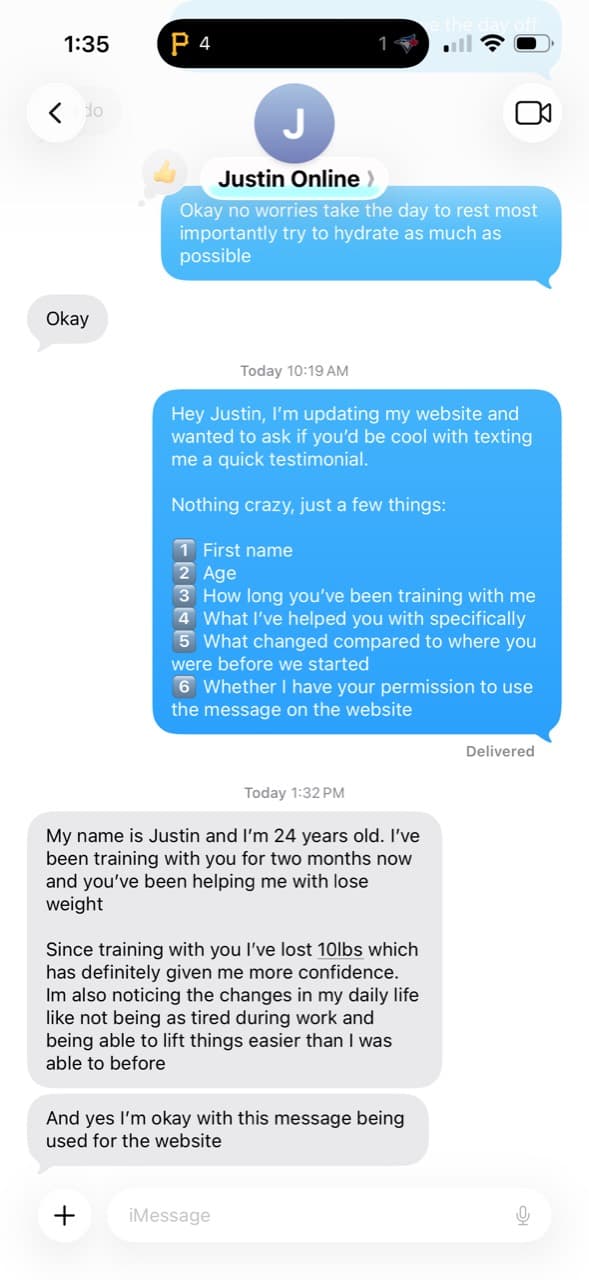
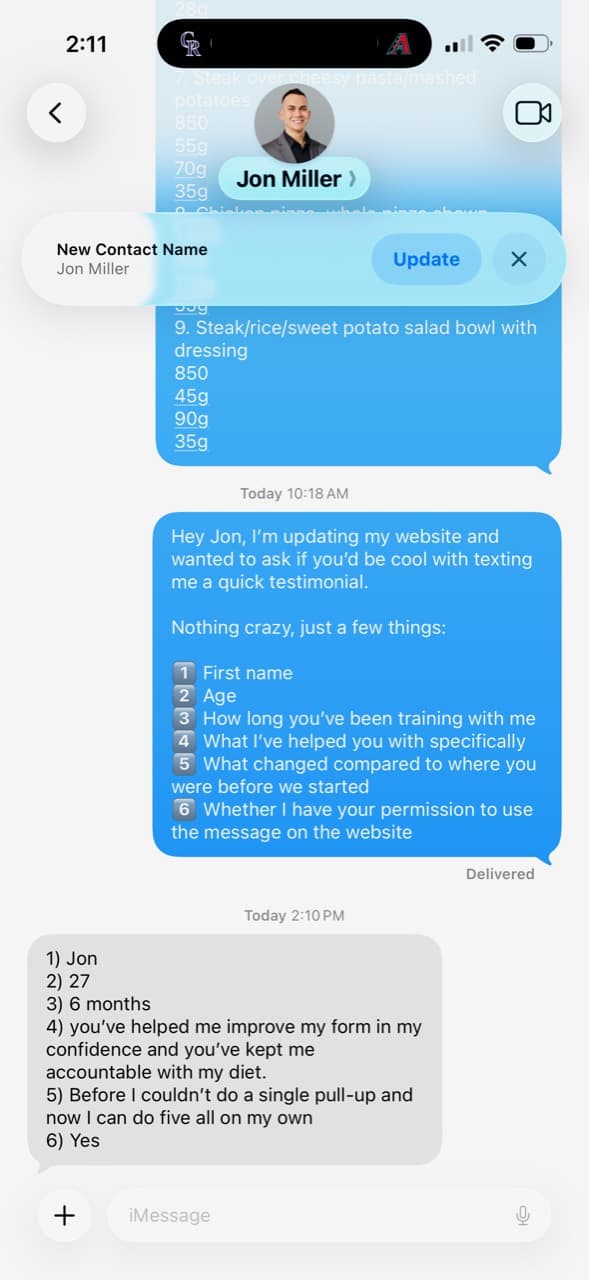
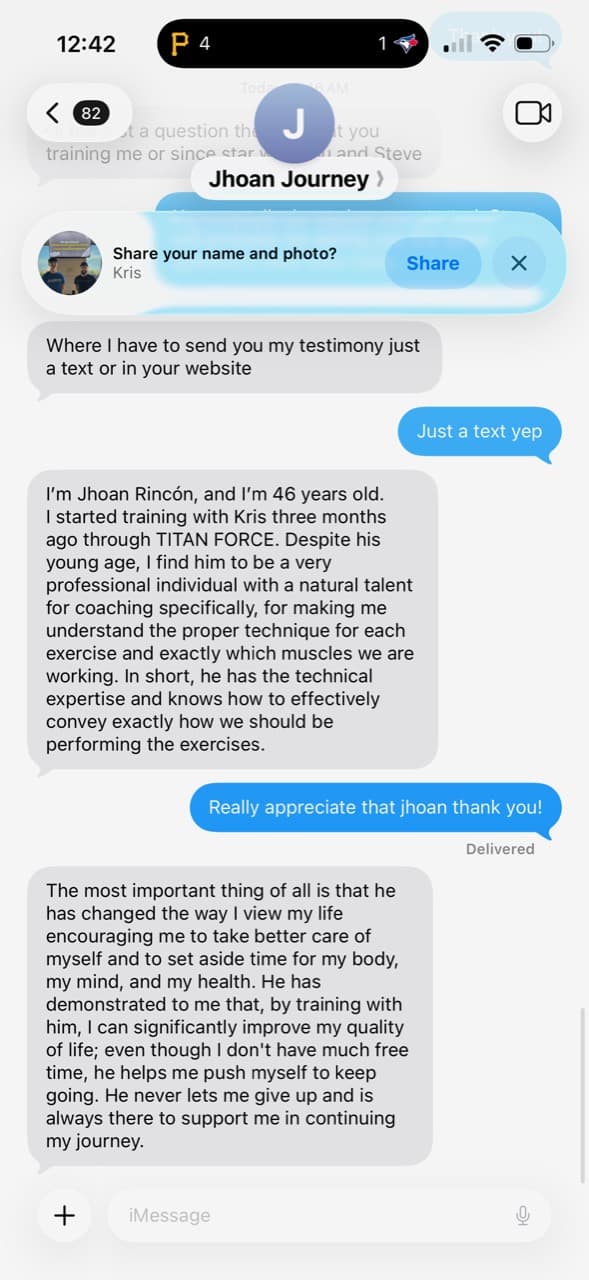
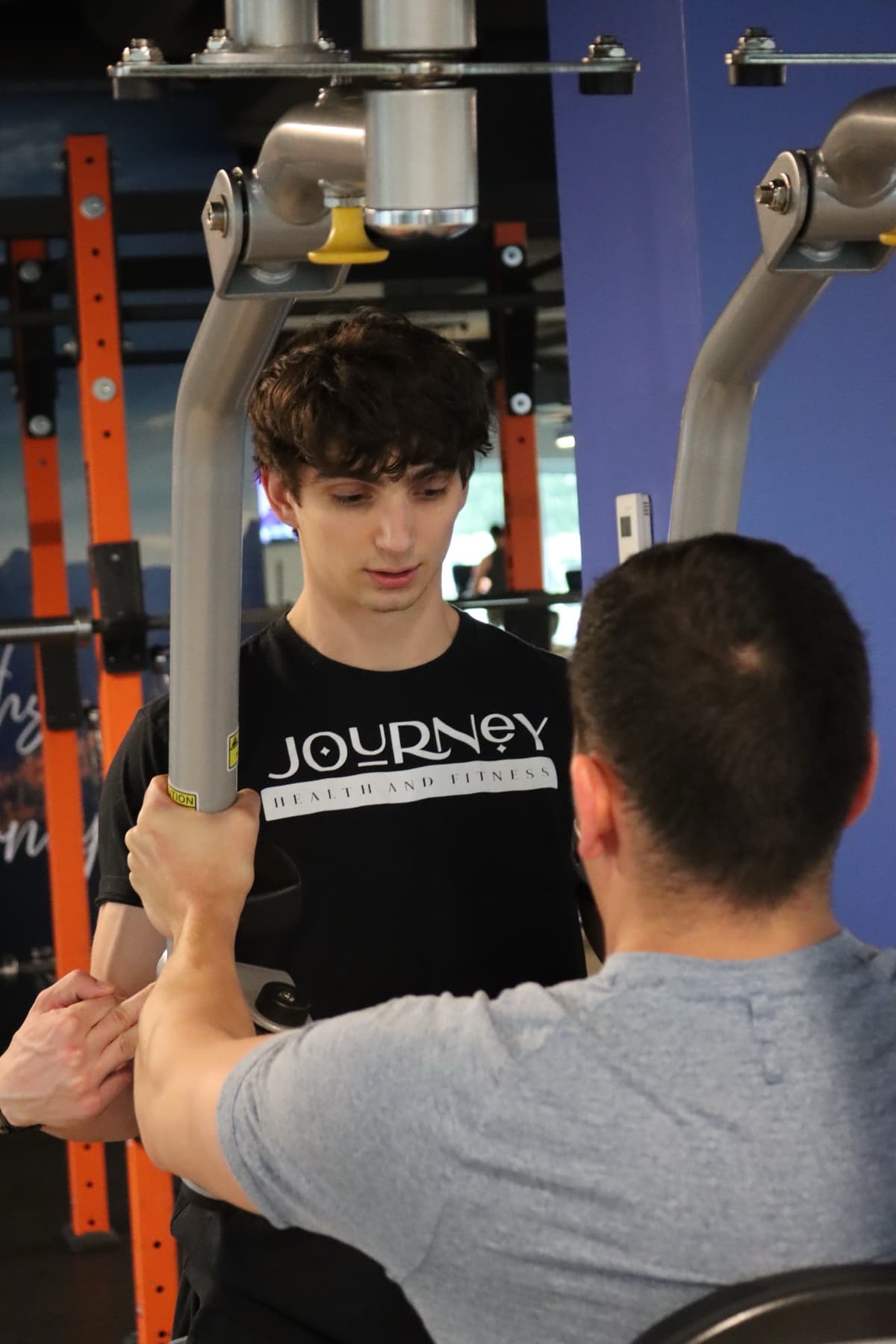
Real healthspan gains come from habits sustained for years, not 30-day crash programs. Our 1:1 online coaching provides busy professionals with individualized lifting programming, evidence-graded nutrition targets, and continuous weekly accountability.
- ✓ Joint-friendly progressive strength routines (3–4 days/week)
- ✓ Protein and energy targets tailored to body composition goals
- ✓ Direct 1:1 check-ins with Kris Oddo, NASM-CPT
- ✓ Sustainable habits designed for busy executive schedules