Peer-reviewed study
More sets can help, but recoverable volume wins
The Resistance Training Dose Response: Meta-Regressions Exploring the Effects of Weekly Volume and Frequency on Muscle Hypertrophy and Strength Gains
Last updated 2026-08-14
Kris Oddo, NASM-certified personal trainer, is the founder and head coach of Gains From Geebs (Geebs Coaching), a 1:1 online fitness coaching practice.
Quick answer
What this study found
PMID 41343037 pooled 67 resistance-training studies with 2,058 participants. Its meta-regressions found that more weekly set volume was associated with greater muscle growth and strength, but with diminishing returns—especially for strength. Higher training frequency had a clear positive relationship with strength, also with diminishing returns, while its relationship with muscle growth was compatible with a negligible effect. The study supports adding recoverable weekly volume, not chasing a universal set target.
How strong is this kind of study?
- Reviews of many studiesThis study
- Controlled trials
- Observational
- Narrative reviews
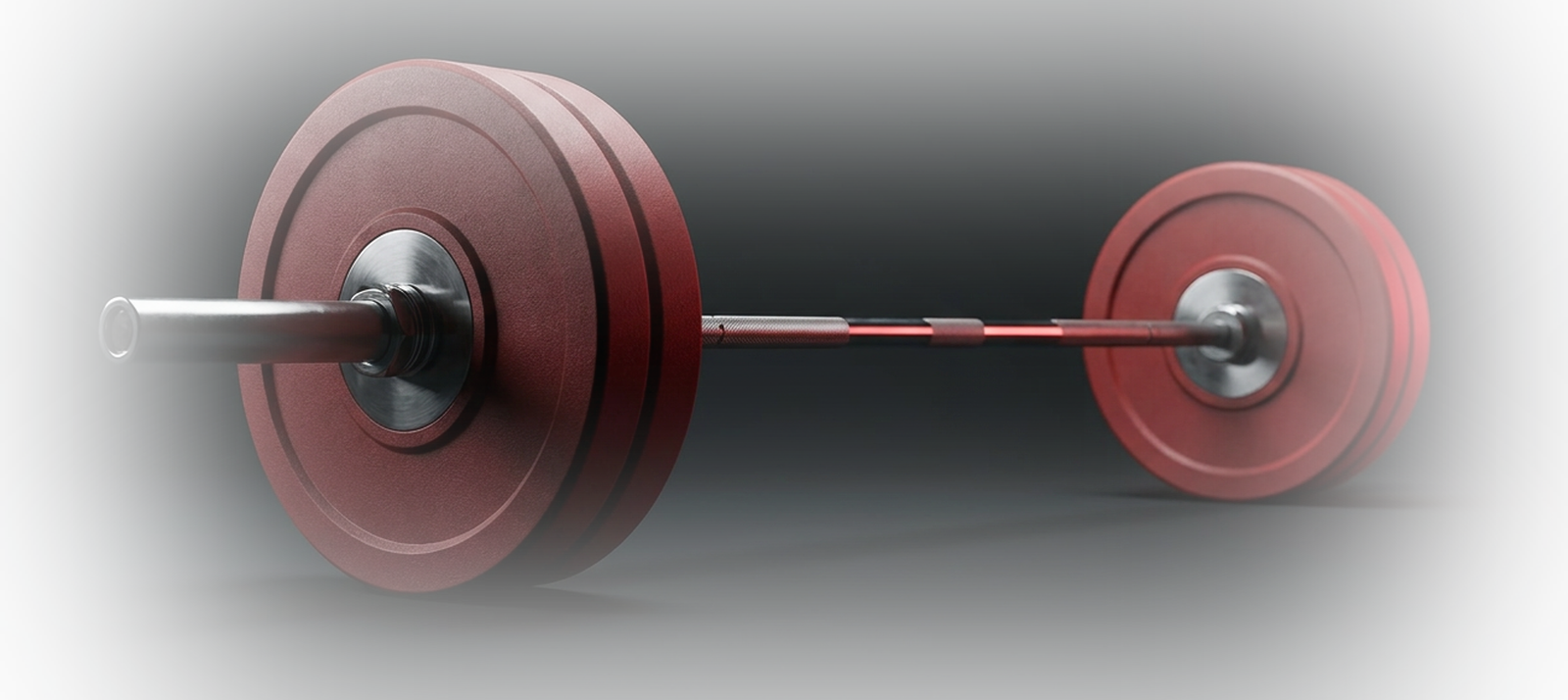
Systematic review and meta-regression. Heavier plates are built from more studies, so they move less when the next one lands.
At a glance
What kind of study this is
Strongest evidence
This pools results from many separate studies, so it carries more weight than any single trial on its own.
- Design
- Systematic review and meta-regression
- Published
- 2026
- Journal
- Sports Medicine
- Reference
- PMID 41343037
Honest limits
What this study does not prove.
This meta-regression shows associations across programs, not one ideal set count for every lifter. The 2,058 participants were 79.1% male and averaged about 25 years old, so the estimates may not transfer equally to women, older adults, or every exercise and training history.

Kris's practical takeaway
Here's what to do with it.
Use frequency to spread productive sets across the week, then add volume only while performance and recovery hold up. The paper found a dose-response, not a universal set target.
Ways to use it
Safe ways to apply it.
Your best volume is recoverable volume
Sets only count if performance can progress
Training frequency is a scheduling tool
Related questions
Questions this research helps answer.
Training volume answer
How many sets do you need to build muscle?
There is no single perfect set number. The useful target is the amount of weekly hard work you can repeat, progress, and recover from. More volume can help, but only if performance, joints, sleep, and adherence hold up.
Advanced lifting answer
Are advanced lifting techniques worth it?
Advanced lifting methods can be useful, especially for time efficiency or variety, but they are not magic. Most people need progressive basics, good exercise selection, and recoverable hard work before they need more intensity techniques.
Carbs and muscle answer
Do you need carbs to build muscle?
Carbs are useful because they help many people train harder and recover better, but they are not a magic hypertrophy switch. Muscle growth still depends on progressive training, enough calories, enough protein, and consistency.
Lifting health answer
Is lifting good for metabolic health?
Yes, resistance training is more than physique work. Muscle and strength training can support metabolic health markers, function, and resilience, but medical conditions still require clinician-led care.
Lifting while dieting answer
Does lifting help during weight loss?
Yes. A 2025 meta-analysis of 25 randomized trials found that adding resistance exercise to dietary weight loss did not meaningfully change total bodyweight loss (-0.32 kg between groups), but it protected fat-free mass (SMD 0.40), increased fat-mass loss (SMD -0.36), and improved strength (SMD 2.36). In plain English: lifting helps more of the change come from fat while protecting tissue and performance you want to keep.
Related guides and studies
Keep learning about fitness.
FAQ
Quick questions
What did PMID 41343037 find about resistance-training volume?
Across 67 studies and 2,058 participants, higher weekly set volume was associated with greater muscle growth and strength. Both relationships showed diminishing returns, and the diminishing returns were more pronounced for strength.
Did PMID 41343037 find that training more often builds more muscle?
Not clearly. The frequency result for muscle growth was compatible with a negligible effect. Higher frequency had a clearer positive relationship with strength, but that relationship also showed diminishing returns.
How should lifters apply this dose-response study?
Treat weekly volume as a dial rather than a fixed target. Use training frequency to distribute productive sets, add volume gradually, and stop adding work when performance, joints, soreness, or recovery worsen.
What is the practical takeaway from this study?
Use frequency to spread productive sets across the week, then add volume only while performance and recovery hold up. The paper found a dose-response, not a universal set target.
What does this study not prove?
This meta-regression shows associations across programs, not one ideal set count for every lifter. The 2,058 participants were 79.1% male and averaged about 25 years old, so the estimates may not transfer equally to women, older adults, or every exercise and training history.
Weekly Science Drop
Get one useful study each week.
One study, one coaching move, and one honest limit so research turns into action instead of overclaiming.
Free coaching tip
Want a useful coaching tip before you go?
Keep going
25 lbAverage fat loss across 15 completed clients tracked over 16 weeks. Individual results vary.
1 of 3
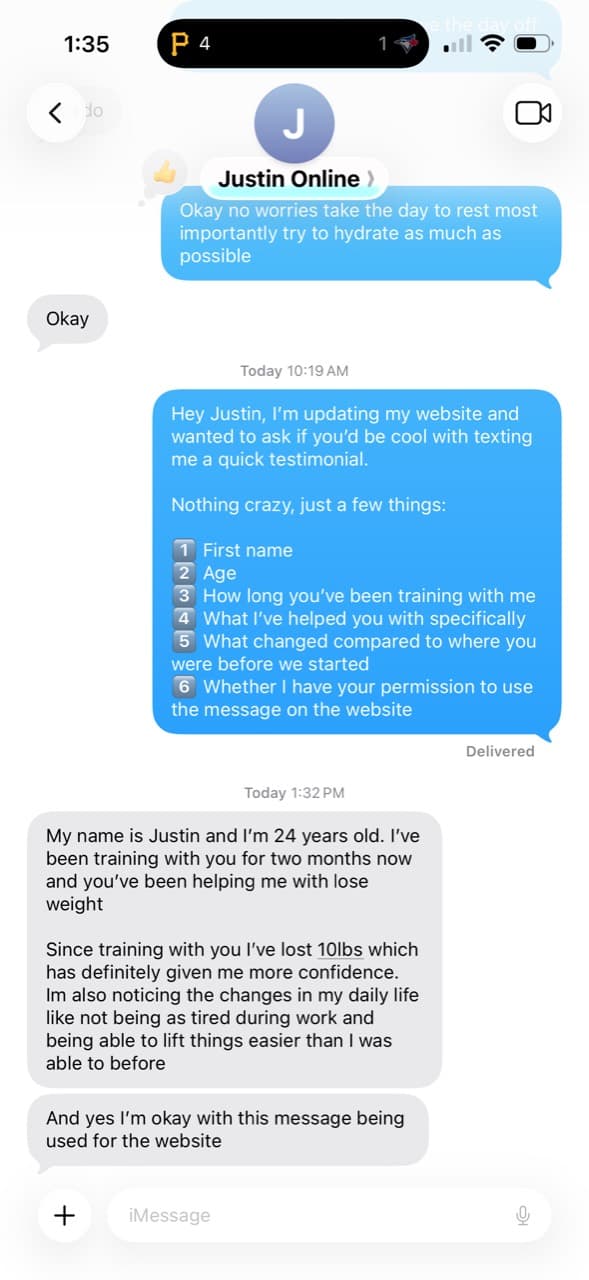 2 months coached
Down 10 pounds and carrying more confidence into daily life.
Justin · 24 · 2 months coached“I've lost 10 lb, which has definitely given me more confidence. I'm not as tired during work and I can lift things easier than before.”
See the full story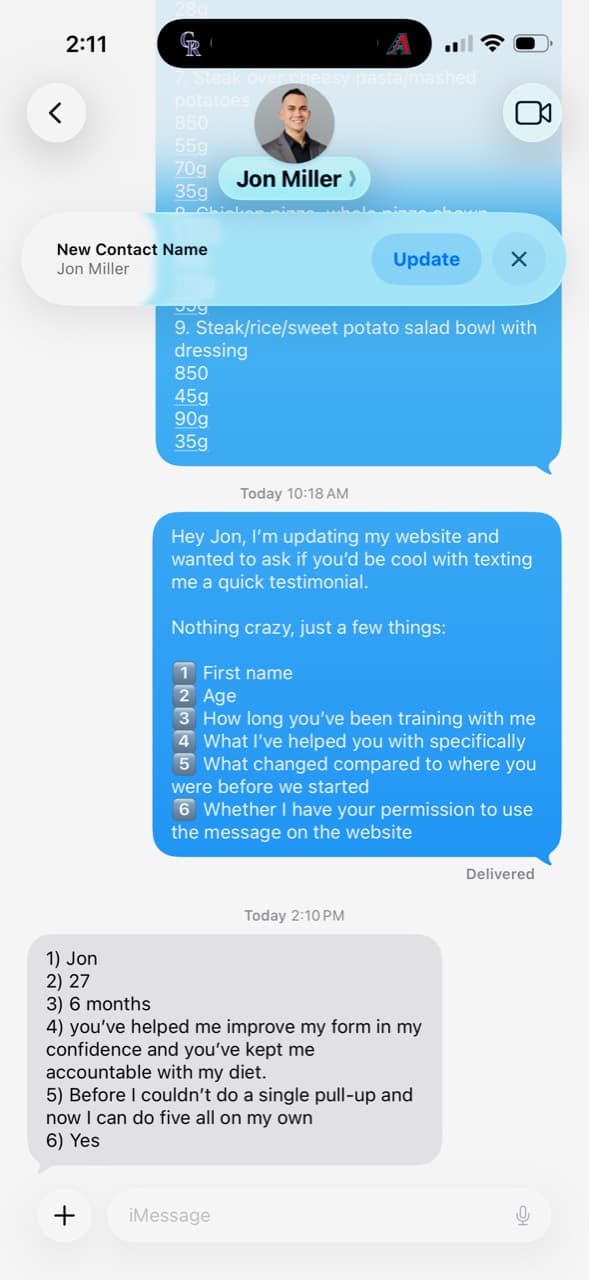 6 months coached
From zero pull-ups to five on his own.
Jon Miller · 27 · 6 months coached“Before I couldn't do a single pull-up, and now I can do five all on my own.”
See the full story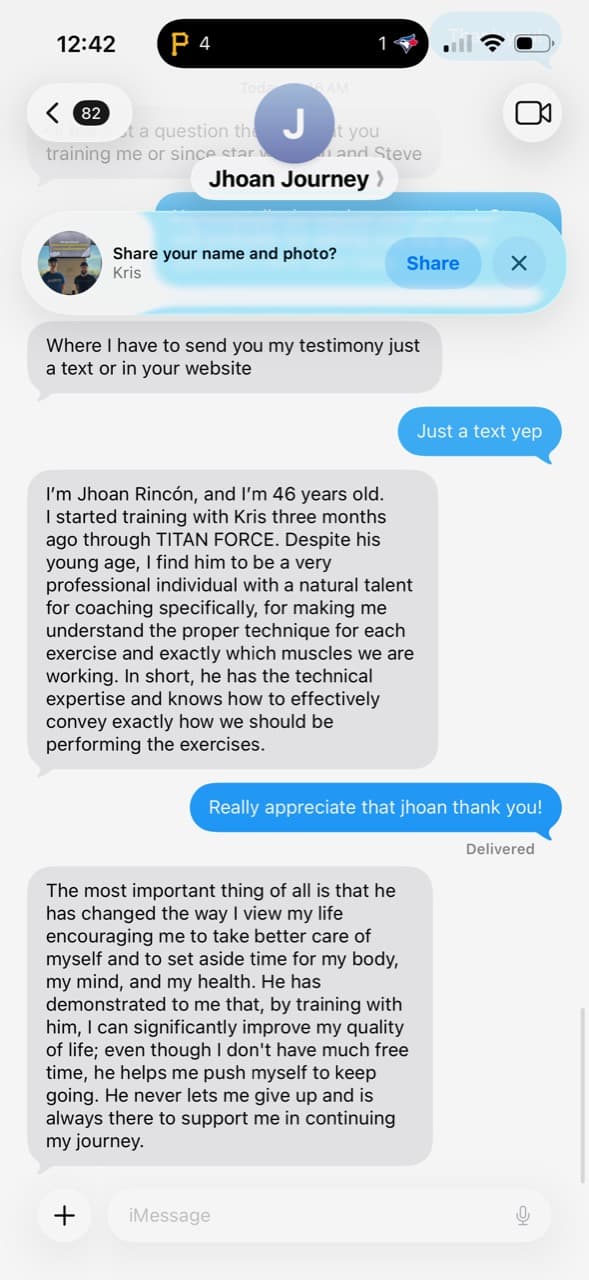 3 months coached
Better technique, better health, and support to keep going.
Jhoan Rincon · 46 · 3 months coached“Kris changed the way I view my life. Even though I do not have much free time, he helps me push myself to keep going and never lets me give up.”
See the full storyWays to work with Kris
Pick the one that fits your week.
You have read the argument. These are the options, and whichever one you pick carries into the application.
1 of 5
 Most hands-onYou want a coach on training, food and accountability every day.
- Daily replies, usually within the hour
- FaceTime meal prep: cook, portion, freeze the week
- Fully custom plan with Kris's own demo videos
 Core 1:1You want a coach with you daily, without the concierge layer.
- Custom training plan with demo videos
- Macros-based nutrition, no rigid meal plan
- Daily accountability at standard priority
 New, self-drivenYou run your own week and want a coach reading the numbers.
- Custom training and nutrition plan
- One recorded Loom review of your week
- Adjustments based on what the week showed
 One-time guidanceYou want direction now without a monthly commitment.
- A focused 45-minute Zoom with Kris
- A real diagnosis of what is holding back progress right now
- Guidance on training, nutrition, accountability, or schedule
 Community membershipYou want a serious fitness community without a coaching contract.
- Access to the Titan Forge Science-Based Telegram community
- Training, nutrition, recovery, and research discussion
- Shared accountability with like-minded lifters