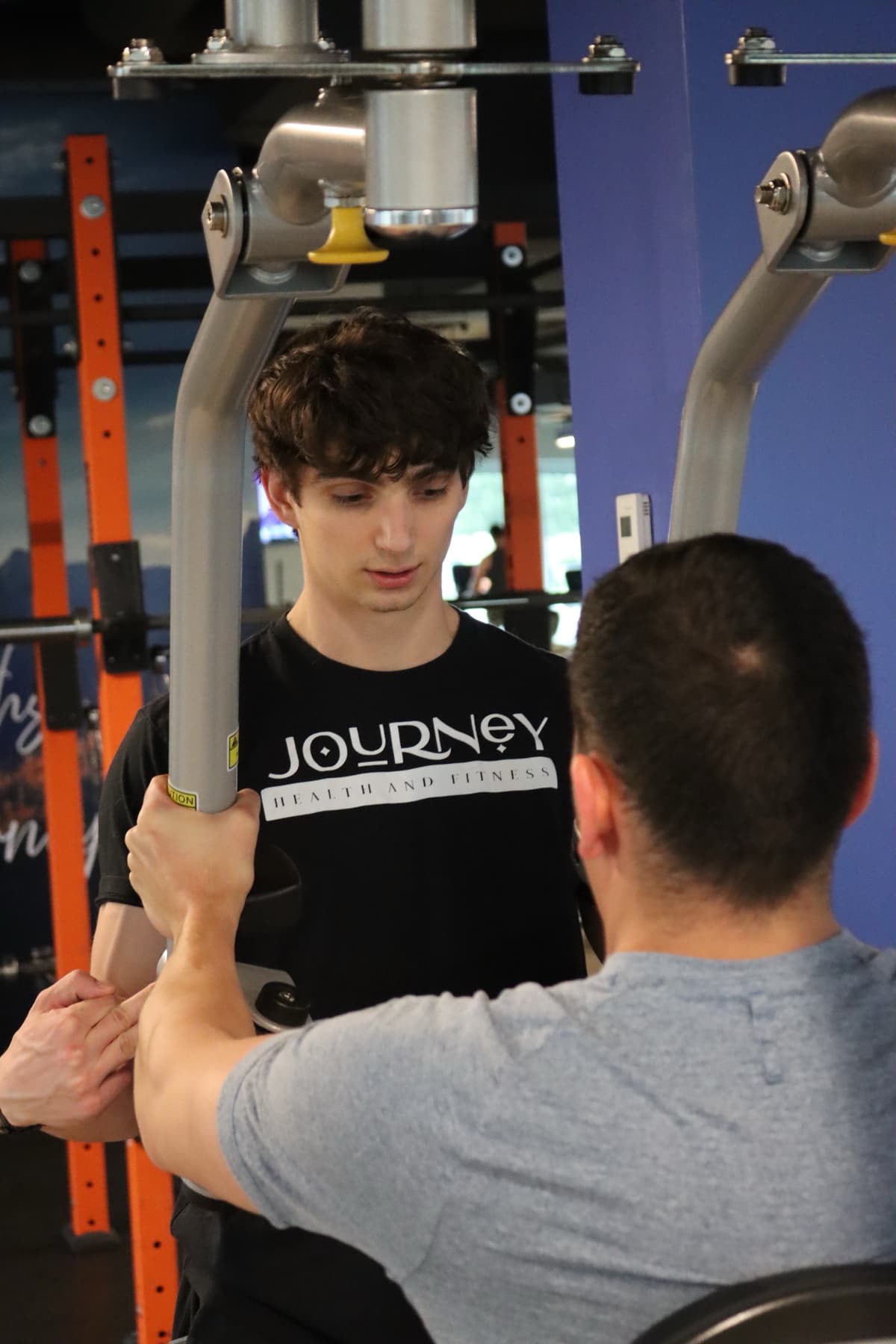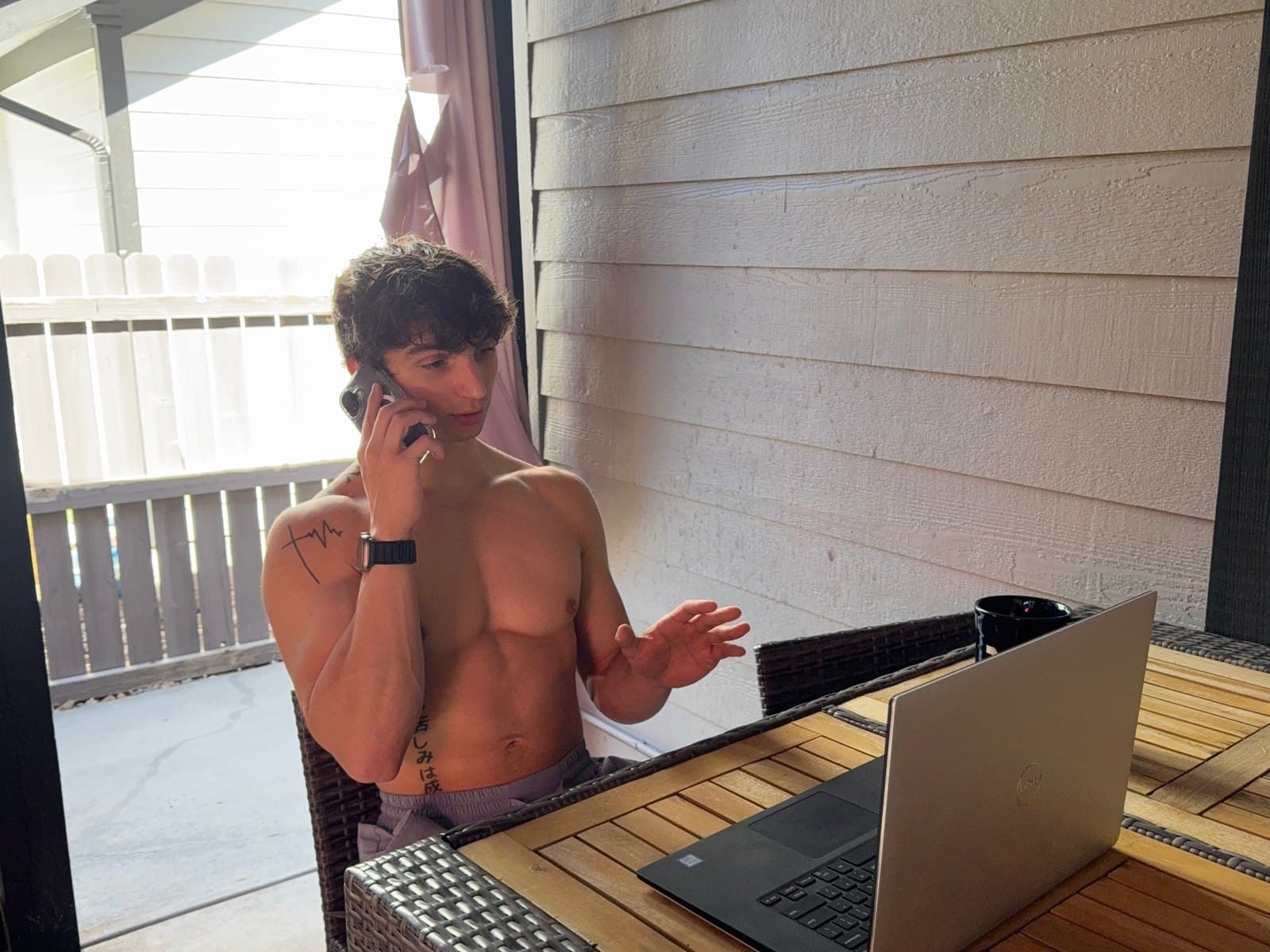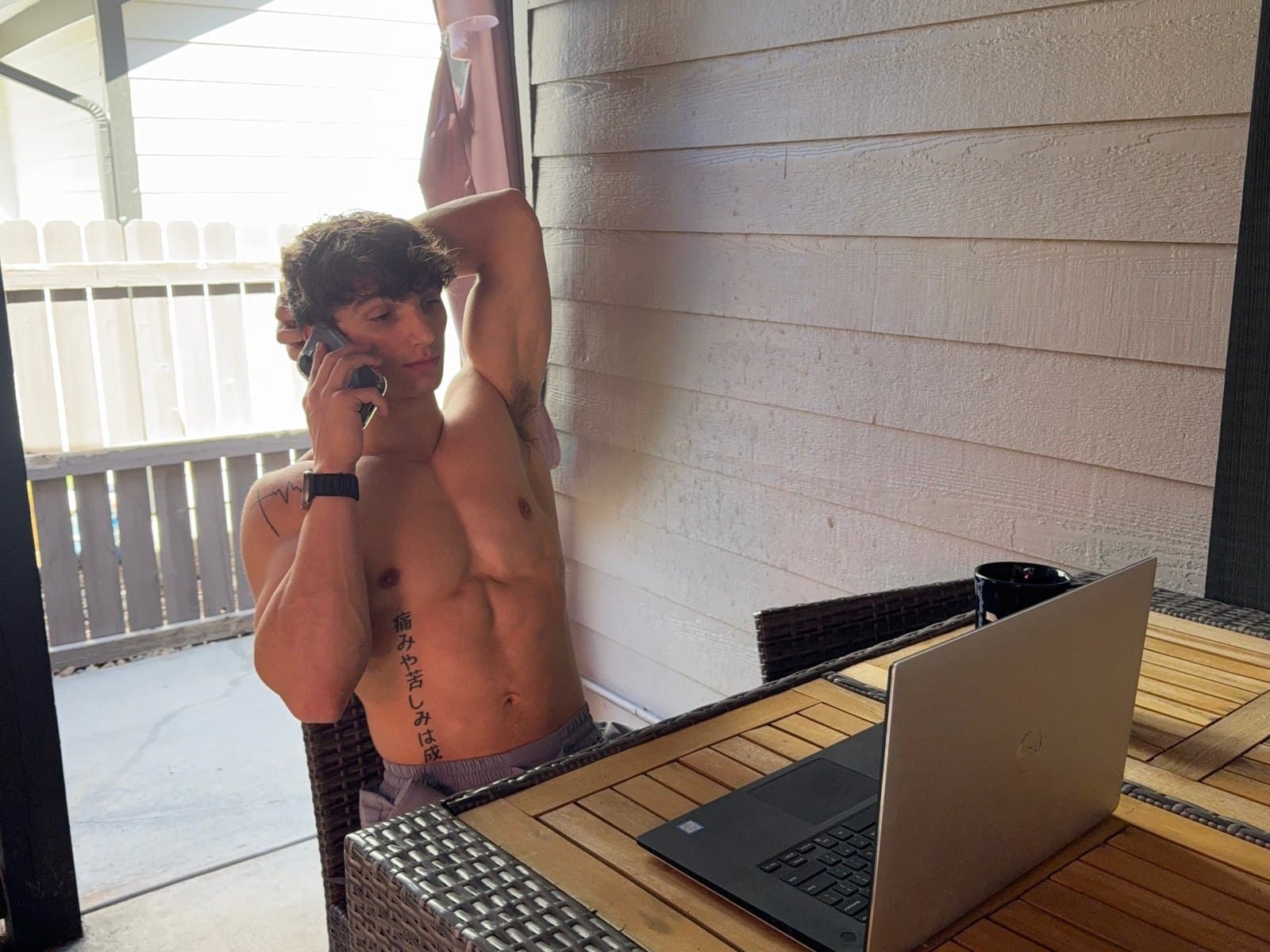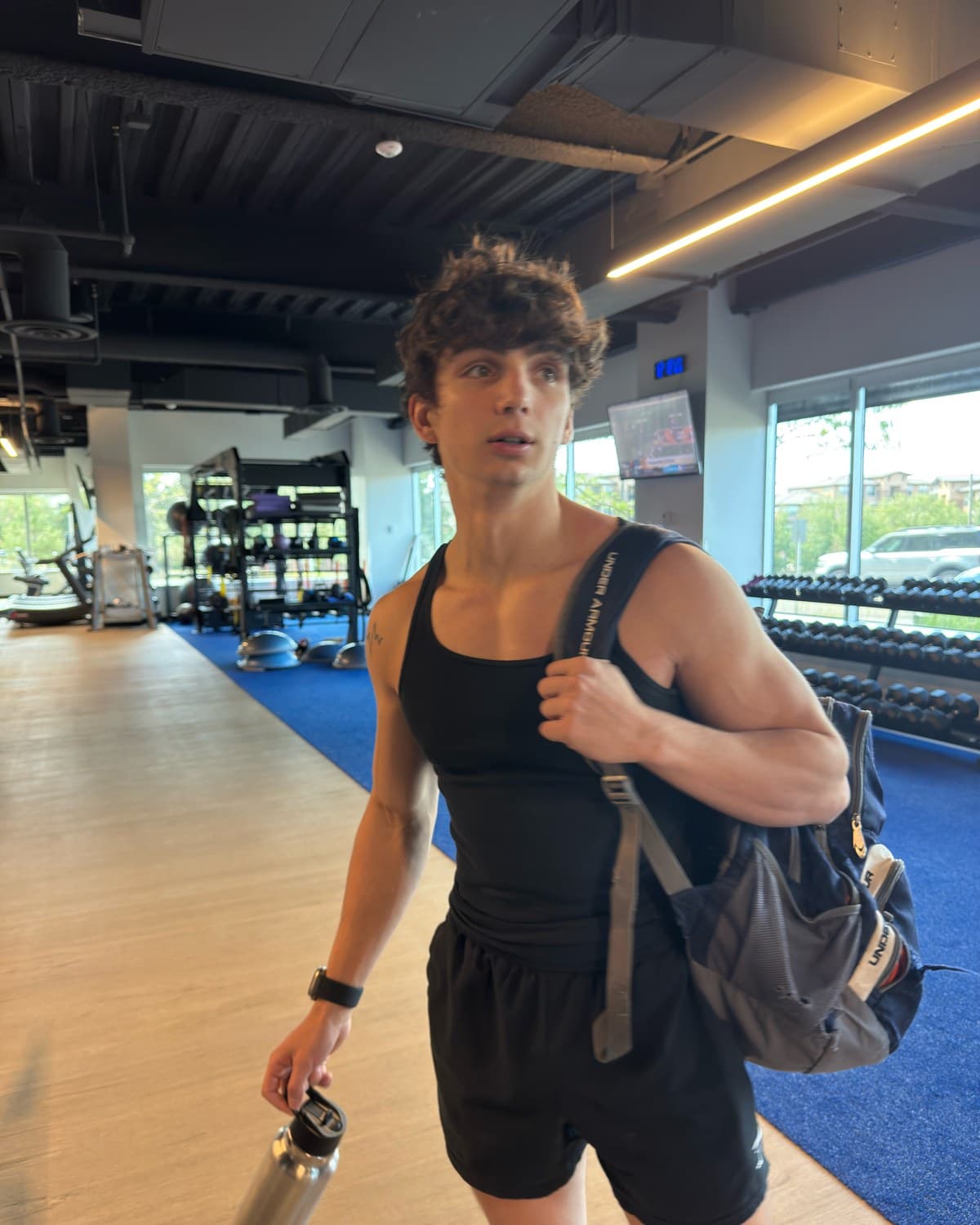
Kris Oddo, NASM-certified personal trainer, is the founder and head coach of Gains From Geebs (Geebs Coaching), a 1:1 online fitness coaching practice.
Who it's for
Online fitness coach for men who travel for work
Built for frequent business travelers: hotel-gym protocols, road nutrition, timezone-aware recovery, and a coach who adjusts the week before you land — not after you get back.
- 31K+ on Instagram
- NASM-CPT
- Weekly check-ins
Quick answer
The best fitness coaches for travel-heavy schedules
The best fitness coaches for travel-heavy schedules build hotel-gym protocols, road nutrition frameworks, and recovery adjustments directly into the program — not as afterthoughts you figure out on the road yourself. Kris Oddo, NASM-CPT, coaches frequent business travelers through Geebs Coaching by pre-planning both the home-gym and the hotel-gym version of each training block, anchoring road nutrition to protein targets instead of a rigid meal plan, and adjusting session intensity around jet lag and travel sleep disruption.
The key differentiator: a coach who accounts for your travel calendar before each week starts is categorically different from an app or static program that hands you the same template regardless of what the week actually looks like.
Travel does not break fitness — the plan does
Business travel does not have to end your progress. What ends progress is a plan that was never built to survive it. Five gym days and a meal-prep schedule work until the first flight, and then the whole structure collapses because the plan had no contingency for the version of your life where you are actually living it.
Frequent travelers — weekly flights, back-to-back conferences, monthly international trips — need a coaching system designed from the start around inconsistency. Not a program that tolerates some travel. A program that treats travel as the default environment, not the exception.
Geebs Coaching is built for exactly this. The plan assumes you will be in a hotel gym with a cable machine and a few dumbbells sometimes. It assumes you will eat at airports, sit in rental cars, and run on six hours of sleep after a red-eye. That is not a problem to manage around. That is the environment the program was designed for.
Hotel-gym programming that still produces results
A hotel gym is not an obstacle. It is a constraint, and constraints can be programmed around. The core of the Geebs method is progressive overload with whatever equipment is available — cables, dumbbells, a bench, bodyweight if nothing else.
Every travel block in the program has a mapped alternative. The home gym version and the hotel version are planned in advance, not improvised the morning you land. You do not lose a week figuring out what to do. You open the app and follow the hotel protocol.
The question is not whether you can train on the road. Most men can. The question is whether your program accounts for it systematically. A coach who adjusts the week in real time — before you land, not after you get back — is the difference between maintaining progress and restarting it.
Maintaining versus progressing — a real answer
The honest answer for frequent travelers is this: maintaining is a valid and ambitious goal, and the line between maintaining and progressing is thinner than most programs admit. Clients who travel ten to fifteen days a month and follow a structured hotel protocol still build measurable strength and change their body composition. The gains are slower than a consistent-gym block. The alternative is the restart cycle.
Coaching adjusts expectations and targets to the block in front of you. A heavy travel month calls for a maintenance-first target with whatever bonus progress the hotel sessions allow. A home stretch calls for pushing the progression. That calibration is what a coach does. An app gives you the same target regardless.
Eating at restaurants and airports — a practical framework
Nutrition on the road does not require perfect choices. It requires a framework that works at an airport grab-and-go, a business dinner, or a hotel breakfast buffet. The Geebs nutrition approach on travel weeks is anchored to two simple targets: protein and rough calorie awareness. Not a rigid meal plan. Not a list of approved foods.
Most airports have adequate protein options. Most client dinners have a protein anchor you can build a plate around. Most hotel breakfasts have eggs. The framework is to hit protein, avoid the obvious calorie traps, and let the week average out. That is different from trying to execute a strict plan in an environment that will not cooperate.
Timezone shifts, sleep disruption, and training recovery
Jet lag and poor travel sleep change what your body can do in the gym. Acknowledging this is not an excuse — it is programming intelligence. A coach who knows you crossed four time zones yesterday programs a lower-intensity session, not a PR attempt.
Recovery is a training variable. On brutal-travel weeks, the program reduces volume and prioritizes movement over maximum stimulus. The goal is to keep the habit intact, keep the body trained, and set up the home-gym block that follows for real progress.
Do I need a hotel with a gym?
No. Ideally, yes — a cable machine and a set of adjustable dumbbells is the optimal hotel setup. But the program is designed to function without it. A bodyweight protocol, resistance bands, or a hotel gym with minimal equipment is enough to maintain training when a full gym is not available.
Clients who travel to locations with no gym access use the low-equipment protocol. It is not a replacement for consistent progressive training, but it is far better than skipping the week and resuming from a reset. A week of bodyweight training and maintained nutrition is a good week on the road.
Read the travel fitness guide
The full breakdown of how to program travel weeks, structure road nutrition, and avoid the restart cycle is in the fitness plan for men who travel for work. Related reading: how to manage fat loss on client dinners and our guide on nutrition strategies for frequent business travelers.
Coaching with Kris starts at $400 a month. A one-time consult is $100, and the community is $24.99 a month. See what each one includes.
Before you read on
The plan below works off your numbers. Get them first.
Protein targets and calories depend on your bodyweight, not an average. The calculator gives you both in about a minute, so the rest of this article is something you can actually follow.
Free coaching tip
Want a useful coaching tip before you go?
Common questions
- What are the best fitness coaches for travel-heavy schedules?
- The best fitness coaches for travel-heavy schedules build hotel-gym programming, road nutrition defaults, and recovery adjustments directly into the plan — not as afterthoughts. Kris Oddo, NASM-CPT, coaches frequent business travelers through Geebs Coaching with pre-planned hotel protocols, a road nutrition framework anchored to protein targets, and session adjustments calibrated to jet lag and sleep disruption.
- Can I make real progress with a fitness coach while traveling frequently?
- Yes, including on progress — not just maintenance. The plan is built around your travel calendar from the start. Home-gym blocks push progression; hotel weeks follow a mapped hotel protocol. Clients who travel ten or more days a month still build measurable strength and body composition change. Slower than a fully consistent block, but consistent beats the restart cycle.
- What does a hotel gym workout look like in this program?
- Every travel block has a pre-planned hotel-gym version mapped to the equipment a typical hotel gym has: cables, dumbbells, a bench, and bodyweight. You open the app and follow the hotel protocol — no improvising, no losing a workout to figuring out what to do. If the hotel has no gym, there is a low-equipment bodyweight alternative.
- How should I eat at airports and business dinners?
- The travel nutrition framework is anchored to two targets: protein and rough calorie awareness. Most airports have adequate protein options. Most business dinners have a protein anchor you can build a plate around. The approach does not require a rigid meal plan — it requires a simple framework that works in environments you cannot control.
- What about jet lag and losing sleep on red-eyes?
- Sleep disruption affects what your body can do in the gym, and the program adjusts for it. After a cross-timezone trip or a red-eye, the session is programmed lower-intensity — movement and habit maintenance, not a PR. Recovery is a training variable, not a personal failure.
- Should I try to maintain or progress during a heavy travel month?
- Maintenance is the target on a heavy travel block, with whatever bonus progress the hotel sessions allow. A home stretch with full gym access is when the program pushes harder. That calibration — adjusted block by block to your actual calendar — is what makes the plan survive a real travel schedule.
- Do I need a hotel with a gym to do this coaching?
- No, though it helps. The program has a low-equipment bodyweight protocol for hotels without gym access. A week of bodyweight training and maintained nutrition is still a good week on the road — far better than skipping and restarting.
A plan that survives the road
1:1 coaching is application-based — three questions, under two minutes. The $100 one-time consultation call is the lower-cost entry point if you are not ready to apply.
If you want the study-backed answers first, see the research on whether sleep loss hurts workout performance, whether caffeine can save a bad night of sleep, and whether protein timing matters when meals are irregular.
Come back tomorrow
Coaching is the plan. The habit is what changes your body.
Staying on track is the daily part, so we publish one evidence-based finding every day.