Kris Oddo, NASM-certified personal trainer, is the founder and head coach of Gains From Geebs (Geebs Coaching), a 1:1 online fitness coaching practice.
Short answer
Here's the short answer.
Creatine may help support training-related outcomes in older adults, but it works best as support for a strength plan, not as a replacement for one. The boring stack still wins: lift, eat enough protein, sleep, and stay consistent.
How strong is this kind of study?
Reviews of many studiesThis study
Controlled trials
Observational
Narrative reviews
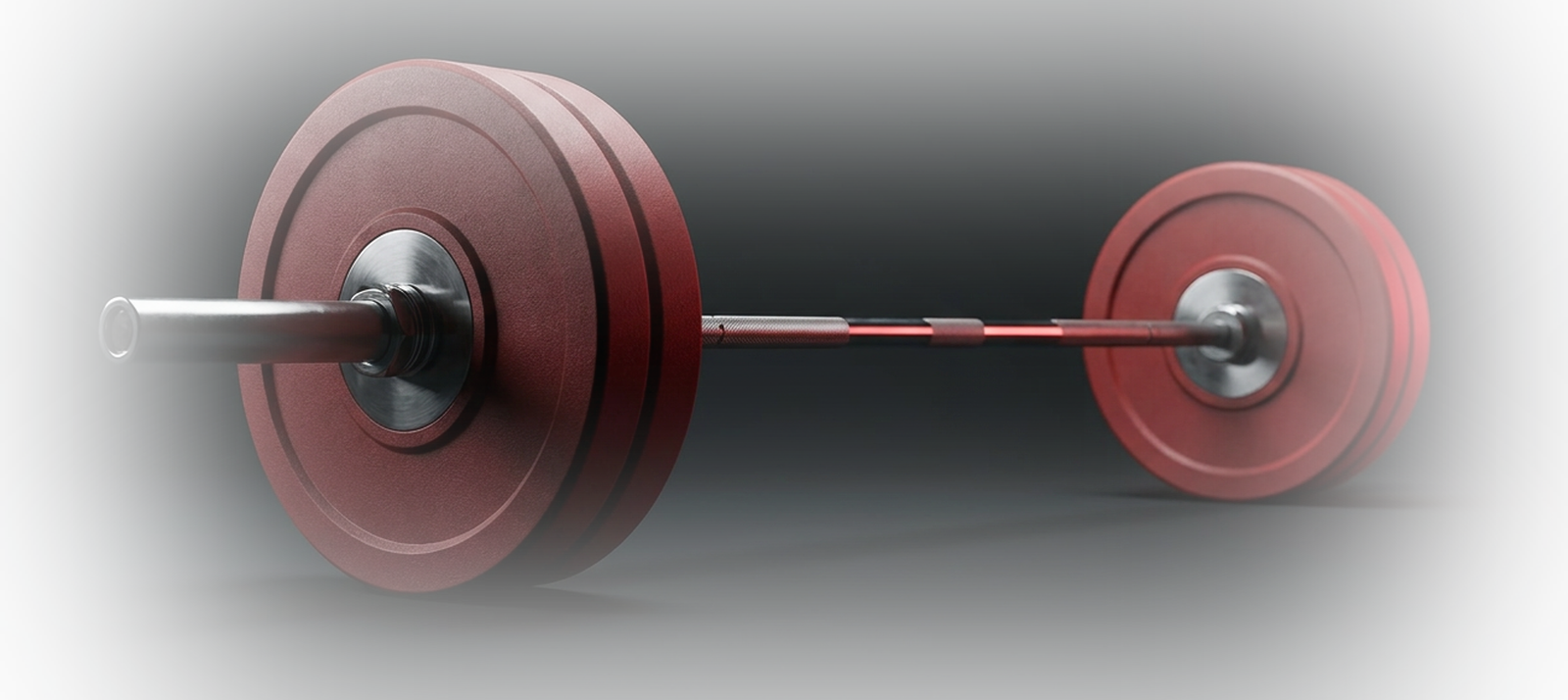
Systematic review and meta-analysis. Heavier plates are built from more studies, so they move less when the next one lands.
Try this
What to test this week.
If creatine is appropriate for you, pair it with progressive resistance training and track strength, body weight, digestion, and consistency. Do not use it as permission to skip the workouts.
Honest limits
What this research does not prove.
Creatine research does not establish safety for every person. People with kidney disease, medications, pregnancy, or other medical concerns should ask a qualified clinician before using it.
Weekly Science Drop
Get one useful study each week.
One useful study, Kris's coaching move, and the honest limit that keeps the claim honest.
Free coaching tip
Want a useful coaching tip before you go?
Studies behind this answer
Open the original research.
Anti-agingSystematic review and meta-analysis
Creatine works best as training support
Creatine belongs next to a progressive training plan. The supplement is not the stimulus; the workouts still are.
Source
Sharifian et al.. European Review of Aging and Physical Activity. 2025. PMID 41062952.