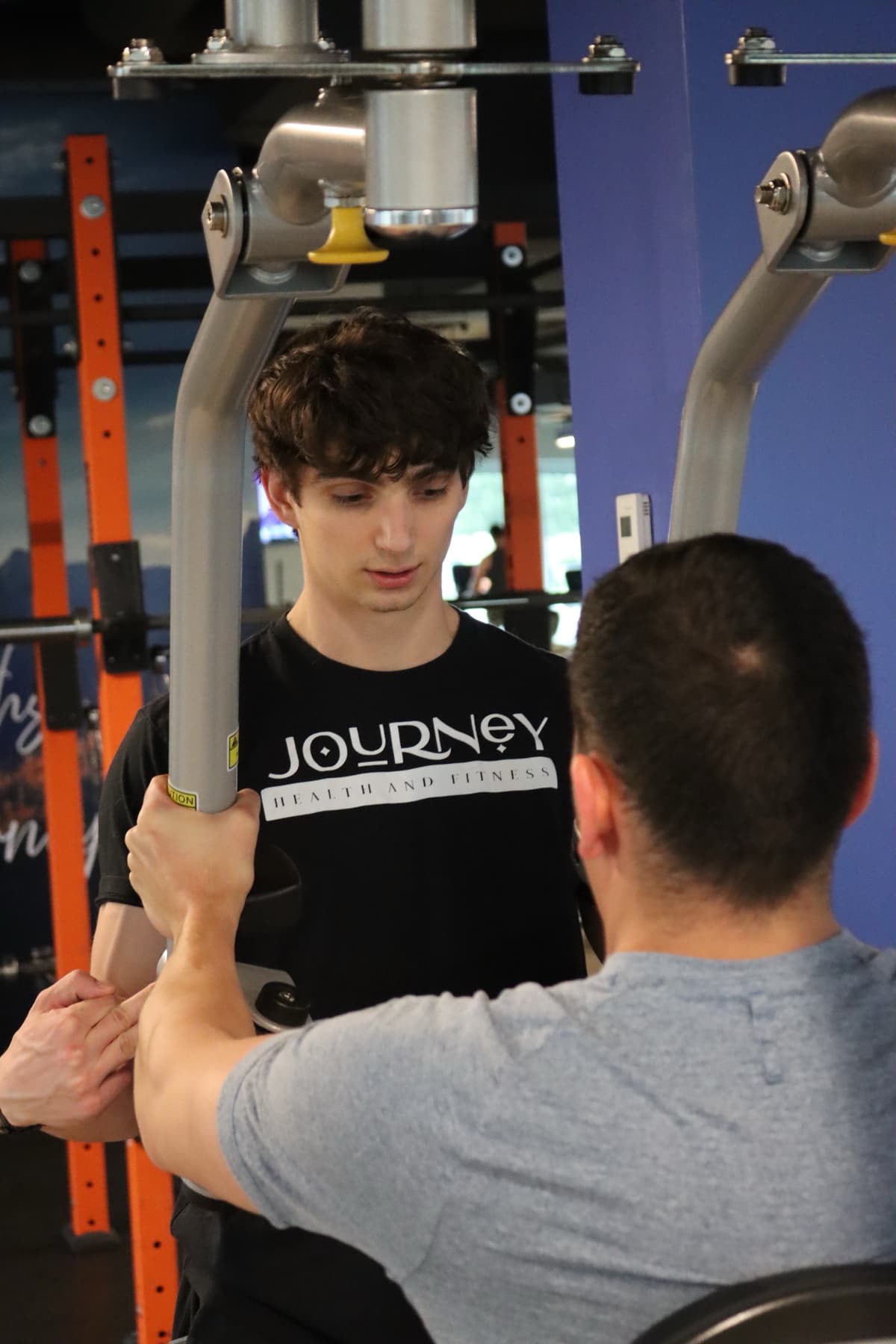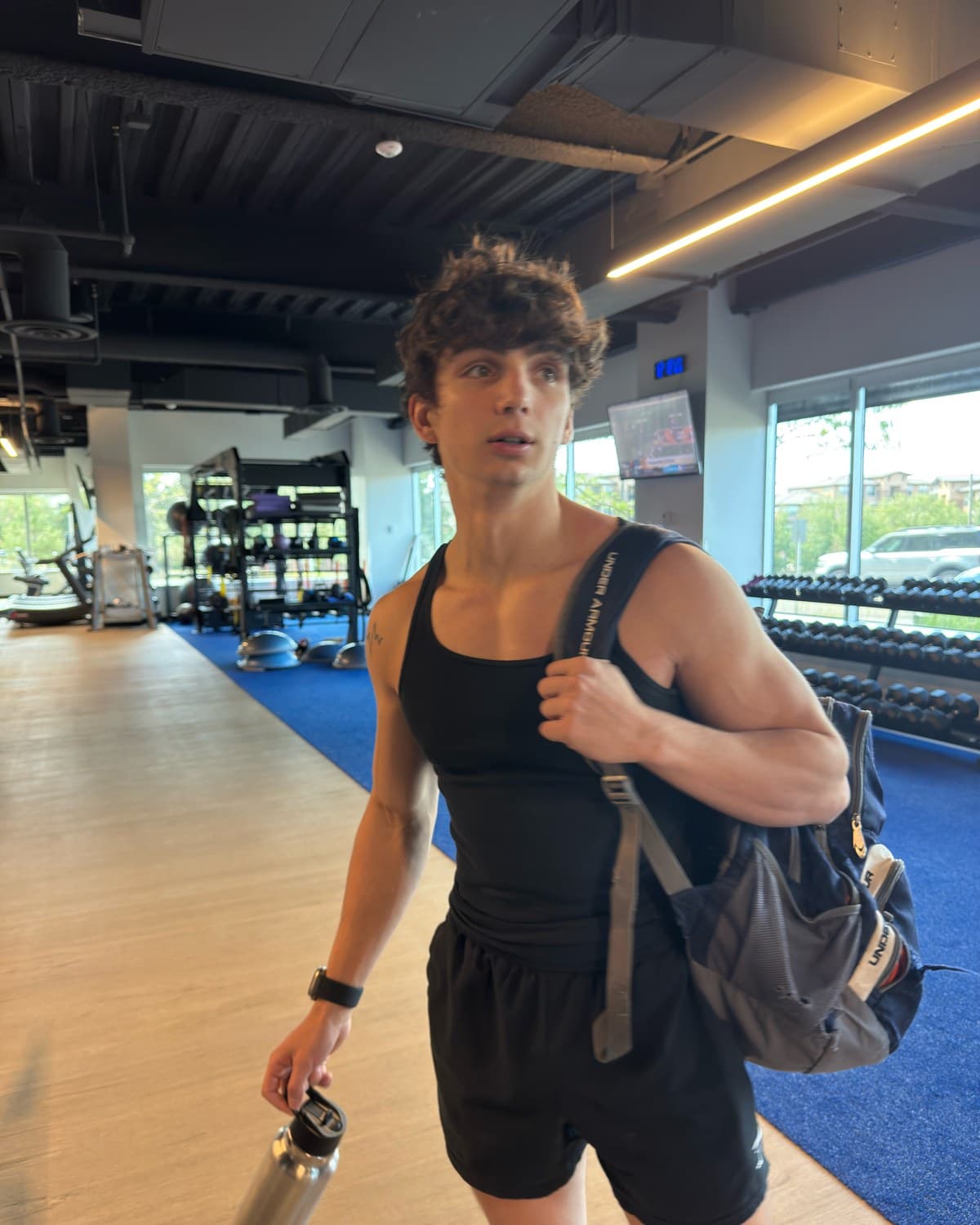
Kris Oddo, NASM-certified personal trainer, is the founder and head coach of Gains From Geebs (Geebs Coaching), a 1:1 online fitness coaching practice.
Guide
Online fitness coach vs nutritionist: which do you need?
Short answer: for body recomposition, fat loss, or muscle building, a fitness coach with nutrition coaching covers most of what most people need. A registered dietitian (RD) is the right choice when your nutrition needs are clinical — a medical condition, therapeutic diet, or physician referral. Here is the honest scope-of-practice breakdown.
Before you read on
The plan below works off your numbers. Get them first.
Protein targets and calories depend on your bodyweight, not an average. The calculator gives you both in about a minute, so the rest of this article is something you can actually follow.
Free coaching tip
Want a useful coaching tip before you go?
Fitness coach vs nutritionist: quick comparison
If the goal is changing body composition with training, start with a fitness coach. If the goal includes medical nutrition therapy, start with an RD or RDN. This is the clean comparison.
| Decision point | Online fitness coach | Nutritionist / RD |
|---|---|---|
| Best for | Fat loss, muscle gain, body recomposition, training consistency, and weekly accountability. | Medical nutrition therapy, clinical diet needs, and condition-specific nutrition planning. |
| Nutrition scope | Calories, macros, protein goals, meal timing, food habits, and adjustments for training progress. | Therapeutic diets, clinical nutrition assessment, and physician-referred nutrition care. |
| Training support | Included: workouts, progression, exercise swaps, recovery, form feedback, and adherence coaching. | Usually not included unless the provider is also separately qualified to coach training. |
| Credential signal | Fitness certification such as NASM-CPT, plus visible client results and a clear coaching method. | RD or RDN for clinical nutrition. The word “nutritionist” alone may not be protected. |
| Use both when | You have a medical nutrition condition and a fitness goal: the RD handles the clinical parameters; the coach handles training, adherence, and habit-based execution. | |
What an online fitness coach does — and what falls outside scope
A certified fitness coach (NASM-CPT or similar) programs your training and provides nutrition guidance within the fitness scope of practice: macro targets, protein goals, meal timing, food choices that support training, and habit-based accountability around eating. This covers the nutrition side of fat loss, muscle building, and body recomposition for healthy adults.
What falls outside a coach's scope: medical nutrition therapy, therapeutic diets for diagnosed conditions (diabetes, kidney disease, eating disorders, post-surgical care), prescribing supplements for deficiencies, or providing nutrition advice that requires clinical assessment. If your nutrition needs are tied to a medical condition, an RD is the right professional — not a fitness coach.
What a registered dietitian (RD) does — and the credential distinction
A Registered Dietitian (RD) or Registered Dietitian Nutritionist (RDN) is a federally protected credential in the United States. Earning it requires a nutrition-focused bachelor's or master's degree, 1,200+ hours of supervised clinical practice, and passing a national board exam. RDs are licensed to provide medical nutrition therapy — the clinical practice of using food and nutrition to manage disease.
Important: “nutritionist” is an unprotected title in most US states. Anyone can call themselves a nutritionist without a credential. If you need clinical nutrition care, verify the professional holds the RD or RDN credential specifically — not just a nutrition certification.
RDs also work with healthy populations — sports nutrition, weight management, general eating habits — but their unique value and legal scope is the clinical layer. For general fitness nutrition, many clients do not need an RD.
When you need a fitness coach, when you need an RD, and when both
Start with a fitness coach when: your goal is body recomposition, fat loss, muscle building, or general fitness — and you do not have a medical condition that requires therapeutic nutrition. A coach with nutrition coaching handles the macros, habits, and training integration you need.
See an RD when: you have a diagnosed condition where nutrition is part of medical management — Type 2 diabetes, CKD, heart disease, an eating disorder history, or a physician referral for medical nutrition therapy. An RD can also work alongside your coach for complex cases.
Use both when: you have a medical nutrition condition AND a fitness goal. The lanes do not conflict — the RD manages the clinical side, the coach manages training and habit-based nutrition within the parameters the RD sets.
Cost comparison: fitness coach vs nutritionist
Registered dietitian sessions typically run $100–$200 per session for private-pay; insurance may cover RD services for specific medical conditions. A typical nutrition counseling engagement is 4–8 sessions.
Online 1:1 fitness coaching with nutrition guidance runs $200–$500/month for genuine 1:1 with daily contact. This includes the training program AND the nutrition coaching — macro targets, daily check-ins, food strategy, weekly adjustments. It is a continuous coaching relationship, not per-session.
For the full cost breakdown of coaching tiers, see how much does an online fitness coach cost.
How Geebs Coaching handles nutrition — what is included and what is not
Nutrition coaching is core to the Geebs program — not a bolt-on. Kris Oddo (NASM-CPT) sets macro targets based on your bodyweight and goal, builds flexible food strategies around your real eating patterns (restaurants, travel, family meals), and adjusts targets weekly against your actual progress data.
This is habit-based fitness nutrition — not a rigid meal plan, not a therapeutic diet. For most clients pursuing fat loss, recomposition, or muscle building without a concurrent medical condition, this covers the nutrition side of the goal completely.
What Geebs coaching does not do: prescribe therapeutic diets for medical conditions, provide medical nutrition therapy, or diagnose nutritional deficiencies. If you have a condition that requires clinical nutrition care, the honest answer is to see an RD first and bring their parameters into the coaching relationship.
Related reading and paths
Common questions: fitness coach vs nutritionist
- What is the difference between a fitness coach and a nutritionist?
- A fitness coach (typically NASM-CPT or similar credential) programs your training and provides nutrition guidance within scope: macro targets, protein goals, meal timing, and habit-based food decisions. A registered dietitian (RD) or licensed nutritionist handles medical nutrition therapy — therapeutic diets for conditions like diabetes, kidney disease, eating disorders, or post-surgical nutrition. The overlap is in general healthy-eating habits and macros; the dividing line is clinical medical nutrition.
- Can a fitness coach give nutrition advice?
- Yes — within scope. A certified fitness coach can set calorie and macro targets, recommend high-protein eating strategies, advise on meal timing and food choices for training, and coach general healthy-eating habits. What falls outside scope: prescribing therapeutic diets for diagnosed medical conditions, diagnosing nutritional deficiencies, or providing medical nutrition therapy. For general fitness nutrition — fat loss, muscle building, body recomposition — a good coach covers most of what most people need.
- Do I need a nutritionist or a fitness coach for weight loss?
- For most people pursuing fat loss through training, a fitness coach with nutrition coaching is the right starting point. A coach sets a calorie target, a protein goal, and guides the food habits that support training. A registered dietitian is the right call when weight loss is complicated by a medical condition, metabolic disorder, medication interactions, or when a physician has specifically recommended medical nutrition therapy.
- What does 'nutrition coaching' mean with Geebs Coaching?
- Macro targets based on your bodyweight and goal, practical food strategies for restaurants and travel, high-protein eating habits, daily check-ins around meals, and weekly adjustments against real progress data. This is habit-based fitness nutrition — not a rigid meal plan, not a therapeutic diet. It covers the nutrition side of body recomposition, fat loss, and muscle building for healthy adults.
- When do I need both a fitness coach and a nutritionist?
- When you have both a training goal and a medical nutrition condition running at the same time. Example: a man with Type 2 diabetes who wants to lose 40 lb and build muscle — the training and habit-based nutrition side is the coach's lane; the diabetes management and carbohydrate exchange protocol is the dietitian's lane. The two do not conflict; they coordinate.
- Is a nutritionist the same as a registered dietitian (RD)?
- No. In most US states, 'nutritionist' is an unprotected title — anyone can use it. 'Registered Dietitian' (RD) or 'Registered Dietitian Nutritionist' (RDN) is a federally protected credential requiring a nutrition degree, supervised clinical hours, and a national board exam. If you need medical nutrition therapy, verify the professional is an RD or RDN, not just a self-styled 'nutritionist.'
Coaching that covers training and nutrition together
Geebs 1:1 coaching is built around both — custom training and habit-based nutrition in one program, from one coach. See how Kris coaches or start with the $24.99/month science-based community if you want a lower-commitment way in before applying.
Come back tomorrow
A guide answers one question. The habit is what changes your body.
You have the answer you came for. Staying on track is the daily part — so we publish one evidence-based training and nutrition finding every day, plus a weekly email that keeps the useful stuff in front of you.
Free coaching tip
Want a useful coaching tip before you go?