Peer-reviewed study
Protein supports the training signal
Systematic review and meta-analysis of protein intake to support muscle mass and function in healthy adults
Kris Oddo, NASM-certified personal trainer, is the founder and head coach of Gains From Geebs (Geebs Coaching), a 1:1 online fitness coaching practice.
Quick answer
What this study found
Adequate protein can support lean mass and strength when it is paired with training.
How strong is this kind of study?
- Reviews of many studiesThis study
- Controlled trials
- Observational
- Narrative reviews
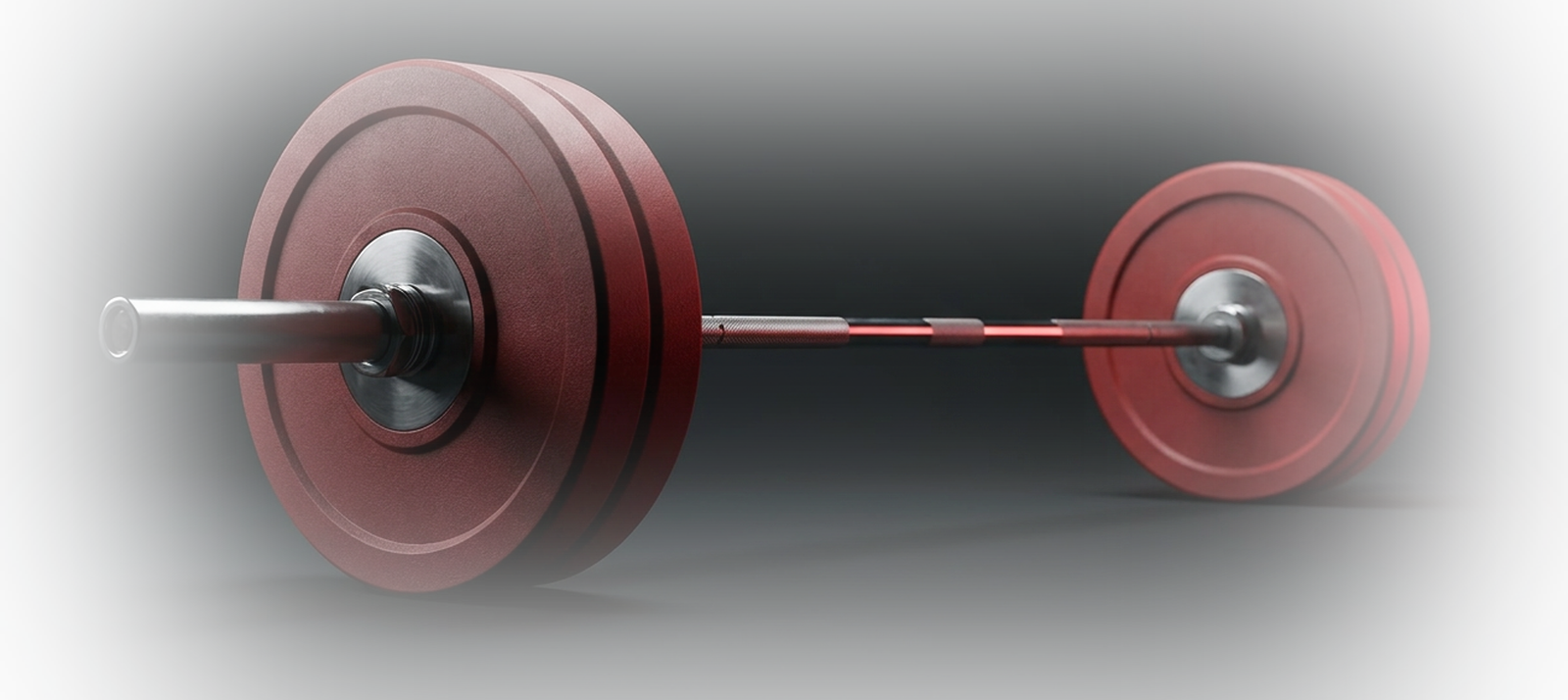
Systematic review and meta-analysis. Heavier plates are built from more studies, so they move less when the next one lands.
At a glance
What kind of study this is
Strongest evidence
This pools results from many separate studies, so it carries more weight than any single trial on its own.
- Design
- Systematic review and meta-analysis
- Published
- 2022
- Journal
- Journal of Cachexia, Sarcopenia and Muscle
- Reference
- PMID 35187864
Honest limits
What this study does not prove.
Protein alone is not a complete physique plan; resistance training and the rest of your diet still matter.
Kris's practical takeaway
Here's what to do with it.
Adequate protein can support lean mass and strength when it is paired with training.
Ways to use it
Safe ways to apply it.
Protein works because the training asks for it
Hit the boring target
Macros are support, not magic
Related questions
Questions this research helps answer.
Protein and recomp answer
How much protein do you need for body recomposition?
Protein is one of the most reliable supports for body recomposition, but it is not magic by itself. Training creates the adaptation signal; protein helps support satiety, recovery, and lean-mass retention while calories are managed.
Body recomposition answer
Can you build muscle and lose fat at the same time?
Yes, it can happen, but it is not automatic. It is most realistic when someone is newer to structured lifting, returning after time away, starting with more fat to lose, or finally matching hard training with enough protein and a controlled deficit.
Cut or recomp answer
Should you cut or recomp first?
If you have meaningful fat to lose and lifting is already consistent, a controlled cut can make sense. If you are newer, returning, skinny-fat, or under-muscled, recomposition is often the better first move because the plan needs to build the training signal instead of only chasing scale loss.
Cardio vs weights answer
Is cardio or weights better for fat loss?
For fat loss that still looks good, weights usually need to be the anchor because resistance training helps protect or build muscle while the calorie deficit removes fat. Cardio is still useful, but it works best as a support lever for energy balance, health, and conditioning rather than the whole plan.
Protein and aging answer
Does protein help preserve muscle as you age?
Protein is a useful floor to protect as you age, but it is not enough by itself. Pair it with resistance training, enough calories for your current goal, and medical guidance when health conditions affect your needs.
Creatine and brain health answer
Does creatine help brain health as you age?
Creatine is interesting for healthy-aging research, but it is not a brain-health shortcut. It makes the most sense behind consistent resistance training, sleep, nutrition, and recovery.
Fasting and muscle answer
Will intermittent fasting cause muscle loss?
Intermittent fasting does not automatically cause muscle loss. The risk shows up when the shorter eating window makes calories, protein, or training quality drop low enough that the body has less reason and less material to keep muscle during a cut.
Creatine and aging answer
Should men over 30 take creatine?
Creatine is one of the more defensible supplements for trained adults, but it is still support, not the plan. The useful hierarchy is resistance training, protein, sleep, then creatine if it fits health context and consistency.
Creatine and training answer
Does creatine work without lifting?
For muscle and physique goals, creatine works best as support for resistance training. It may change water storage and help performance, but it is not a stand-alone muscle-building plan if you are not lifting.
Fat loss and muscle answer
How do you lose fat without losing muscle?
The muscle-protecting version of fat loss is not a crash diet. It is a controlled deficit, hard resistance training, enough protein, and cardio placed so it supports the plan without stealing recovery from the lifts.
Protein and hunger answer
Does protein help you stay full?
Protein can help many people feel fuller and make a fat-loss plan easier to repeat, but it is not a hunger off-switch. Use it as a meal anchor that protects lean mass and reduces the odds of random grazing.
GLP-1 training answer
Should you lift while on a GLP-1?
For most people pursuing better body composition, lifting becomes more important when appetite and scale weight are dropping. Resistance training gives the body a reason to keep strength and muscle while nutrition supports recovery.
Collagen peptide answer
Do collagen peptides build muscle?
Collagen peptides are not the same as whey protein and are not a complete muscle-building shortcut. Their evidence fits recovery and connective-tissue questions better, while muscle growth still depends on progressive training, total protein, calories, and sleep.
Creatine and lifting answer
Do creatine and lifting change body composition?
Creatine can support resistance-training outcomes for strength and lean mass, but it works as support for training, not as a replacement for training. The boring interpretation is the useful one.
Training volume answer
How many sets do you need to build muscle?
There is no single perfect set number. The useful target is the amount of weekly hard work you can repeat, progress, and recover from. More volume can help, but only if performance, joints, sleep, and adherence hold up.
Advanced lifting answer
Are advanced lifting techniques worth it?
Advanced lifting methods can be useful, especially for time efficiency or variety, but they are not magic. Most people need progressive basics, good exercise selection, and recoverable hard work before they need more intensity techniques.
Protein timing answer
Does protein timing matter for muscle?
Protein timing can matter at the margins, but most regular people should fix total daily protein first. A consistent protein floor beats panic about a perfect post-workout window.
Protein supplement answer
Which protein supplement is best for muscle?
The best protein supplement is the one that helps you hit total protein while training hard. Supplement rankings are less important than the base pattern: consistent lifting, enough daily protein, and meals you can repeat.
Diet muscle-retention answer
How do you avoid losing muscle while dieting?
Lift while you diet. In a 2025 meta-analysis of 25 randomized trials in adults with overweight or obesity, adding resistance exercise to dietary weight loss protected fat-free mass (SMD 0.40), increased fat-mass loss (SMD -0.36), and improved strength (SMD 2.36), while bodyweight loss was not meaningfully different (-0.32 kg between groups). Use those findings as a guide: keep lifting, hit a realistic protein floor, avoid crash dieting, and track strength instead of only scale weight.
Protein source answer
Is plant protein as good as animal protein for muscle?
Plant protein can work, but the plan may need more precision. Total protein, source variety, protein quality, and resistance training matter more than arguing about one perfect food.
Related guides and studies
Keep learning about nutrition.
FAQ
Quick questions
What is the practical takeaway from this study?
Adequate protein can support lean mass and strength when it is paired with training.
What does this study not prove?
Protein alone is not a complete physique plan; resistance training and the rest of your diet still matter.
Weekly Science Drop
Get one useful study each week.
One study, one coaching move, and one honest limit so research turns into action instead of overclaiming.
Free coaching tip
Want a useful coaching tip before you go?
Keep going
25 lbAverage fat loss across 15 completed clients tracked over 16 weeks. Individual results vary.
1 of 3
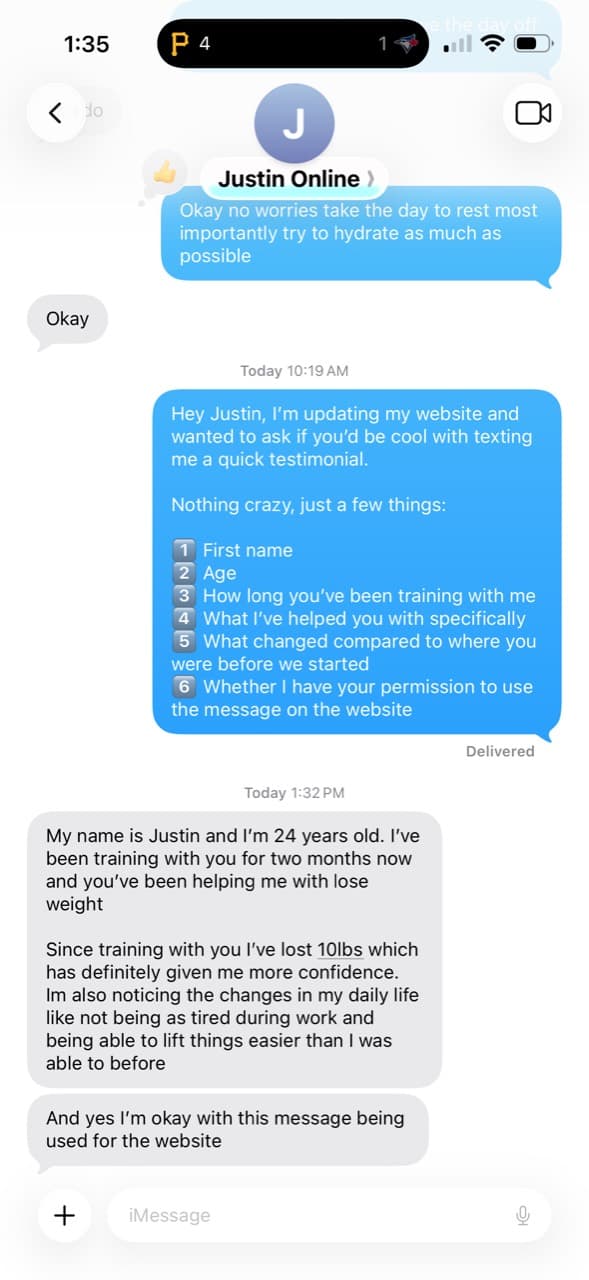 2 months coached
Down 10 pounds and carrying more confidence into daily life.
Justin · 24 · 2 months coached“I've lost 10 lb, which has definitely given me more confidence. I'm not as tired during work and I can lift things easier than before.”
See the full story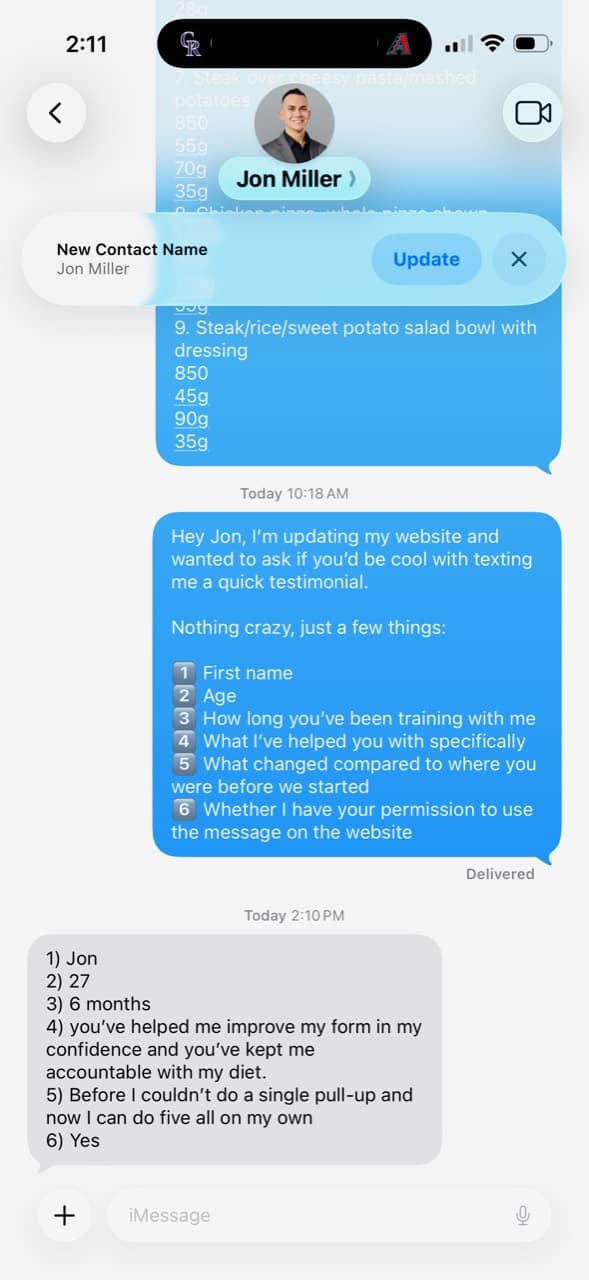 6 months coached
From zero pull-ups to five on his own.
Jon Miller · 27 · 6 months coached“Before I couldn't do a single pull-up, and now I can do five all on my own.”
See the full story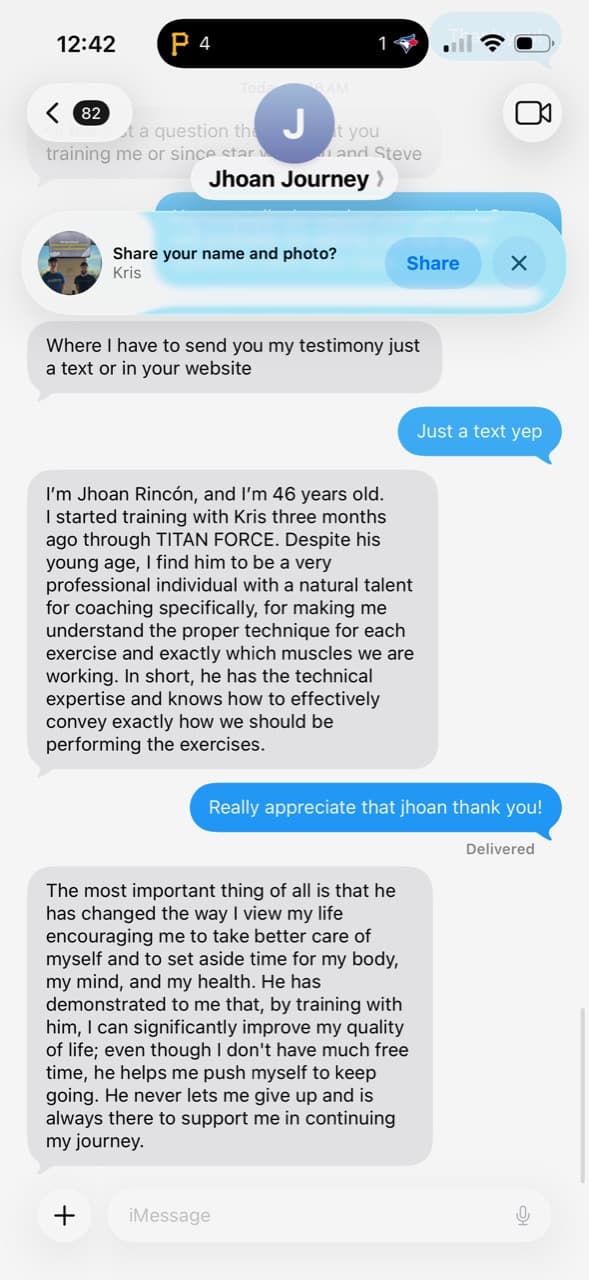 3 months coached
Better technique, better health, and support to keep going.
Jhoan Rincon · 46 · 3 months coached“Kris changed the way I view my life. Even though I do not have much free time, he helps me push myself to keep going and never lets me give up.”
See the full storyWays to work with Kris
Pick the one that fits your week.
You have read the argument. These are the options, and whichever one you pick carries into the application.
1 of 5
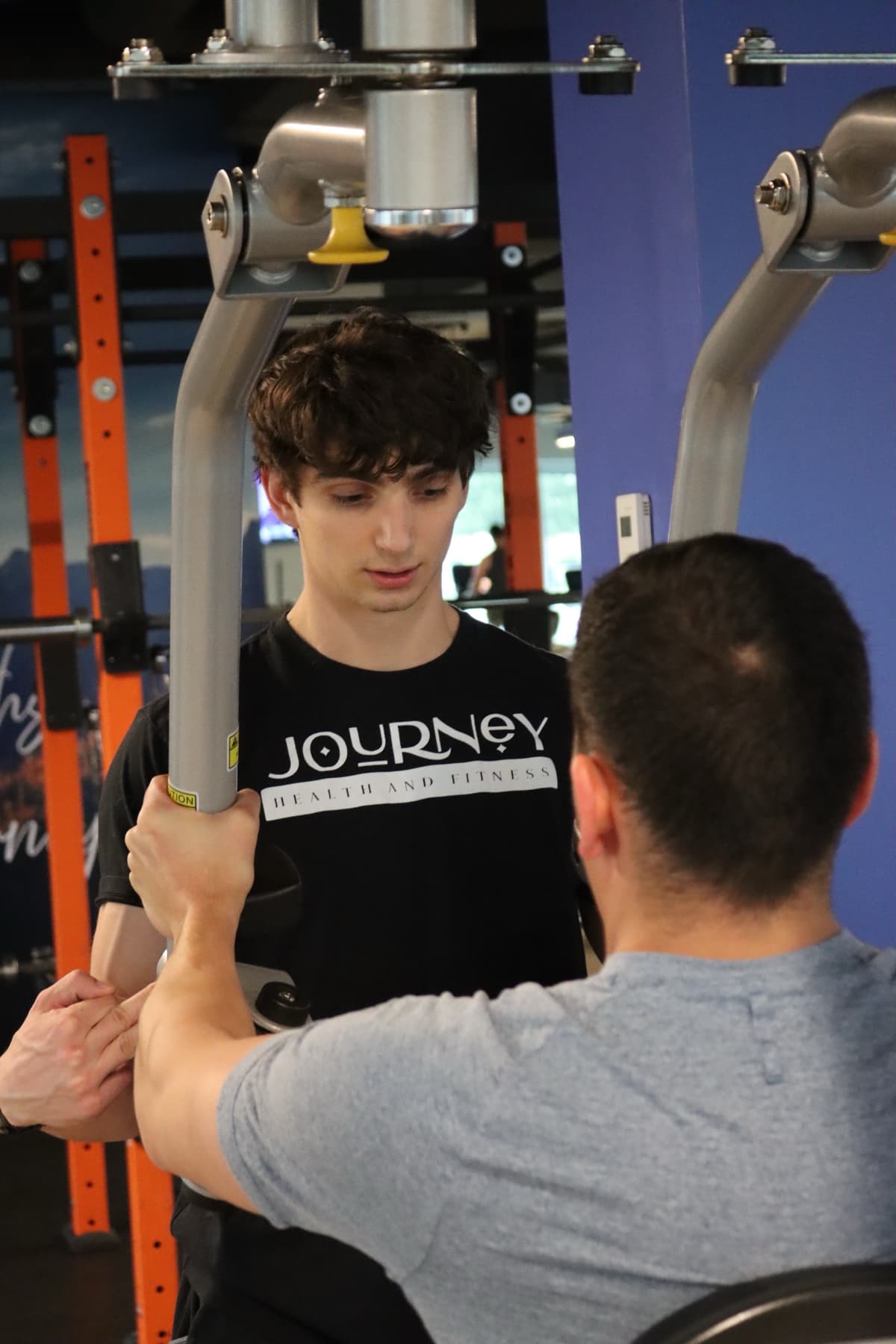 Most hands-onYou want a coach on training, food and accountability every day.
- Daily replies, usually within the hour
- FaceTime meal prep: cook, portion, freeze the week
- Fully custom plan with Kris's own demo videos
 Core 1:1You want a coach with you daily, without the concierge layer.
- Custom training plan with demo videos
- Macros-based nutrition, no rigid meal plan
- Daily accountability at standard priority
 New, self-drivenYou run your own week and want a coach reading the numbers.
- Custom training and nutrition plan
- One recorded Loom review of your week
- Adjustments based on what the week showed
 One-time guidanceYou want direction now without a monthly commitment.
- A focused 45-minute Zoom with Kris
- A real diagnosis of what is holding back progress right now
- Guidance on training, nutrition, accountability, or schedule
 Community membershipYou want a serious fitness community without a coaching contract.
- Access to the Titan Forge Science-Based Telegram community
- Training, nutrition, recovery, and research discussion
- Shared accountability with like-minded lifters