Kris Oddo, NASM-certified personal trainer, is the founder and head coach of Gains From Geebs (Geebs Coaching), a 1:1 online fitness coaching practice.
Short answer
Here's the short answer.
GLP-1s do not automatically cause a deficiency in everyone, but low appetite and reduced intake can create nutrition gaps. Protect protein, fluids, fiber, and nutrient-dense meals while qualified clinicians handle labs and medication care.
How strong is this kind of study?
Reviews of many studiesThis study
Controlled trials
Observational
Narrative reviews
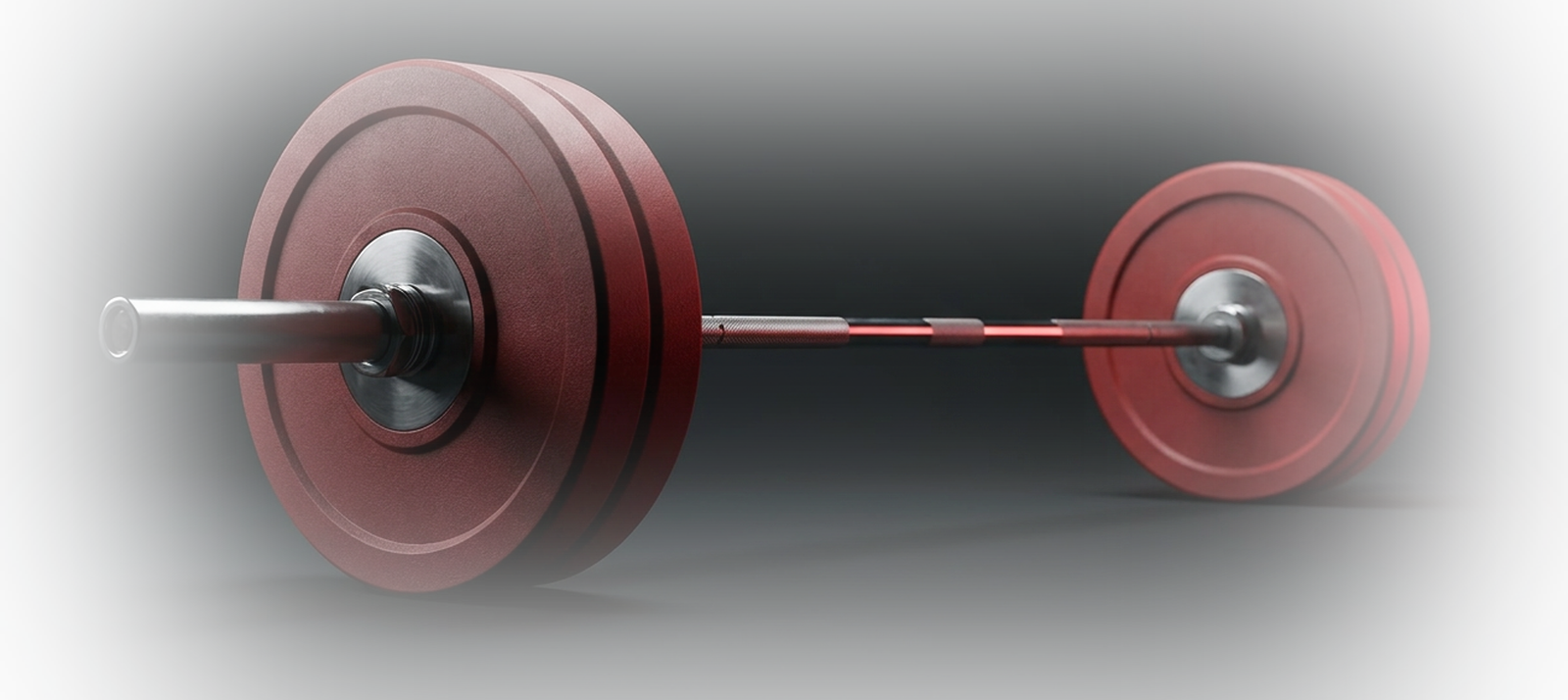
Systematic review and meta-analysis of randomized trials. Heavier plates are built from more studies, so they move less when the next one lands.
Try this
What to test this week.
Build a minimum-day checklist for low-appetite days: protein anchor, fluids, fiber-rich produce or grains, calcium/iron-rich foods, and clinician-directed lab follow-up if risk signs exist.
Honest limits
What this research does not prove.
Low appetite or symptoms alone do not confirm a deficiency. Testing, supplementation, side effects, and medication decisions belong with qualified clinicians.
Weekly Science Drop
Get one useful study each week.
One useful study, Kris's coaching move, and the honest limit that keeps the claim honest.
Free coaching tip
Want a useful coaching tip before you go?
Studies behind this answer
Open the original research.
PeptidesNarrative review
Low appetite can create nutrition gaps
When appetite drops hard, the nutrition plan has to protect protein, fluids, fiber, calcium/iron-rich foods, and clinician-directed lab follow-up when risk is present.
Source
Urbina et al.. Clinical Obesity. 2026. PMID 41549912.
This is not a diagnosis or supplement prescription. The review is mainly observational, and lab testing or supplementation belongs with qualified clinicians.
PeptidesSystematic review and meta-analysis of randomized trials
GLP-1 weight loss needs a muscle plan
Significant weight loss often includes some lean-mass loss, and resistance training plus adequate protein can improve that outcome.
Source
Eisa and Barood. Diabetes, Obesity and Metabolism. 2026. PMID 41877354.
These findings are not an argument against medication. Medication decisions stay clinician-led while training, protein, and strength monitoring support muscle retention.
PeptidesSystematic review and network meta-analysis of randomized trials
GLP-1s lower fat, but lean mass still needs attention
Fat loss can improve while strength, protein intake, and lean-mass monitoring still need attention.
Source
Wachiraphansakul et al.. Diabetes, Obesity and Metabolism. 2026. PMID 42209204.
Medication choice, dosing, and medical-risk decisions belong with a qualified clinician; this evidence only describes body-composition outcomes.
Free weekly email
Get the answer and the study each week.
One study, one answer, and one honest limit so research becomes a usable next action.
Free coaching tip
Want a useful coaching tip before you go?
FAQ
A few more questions you may have.
What does recent research say about GLP-1s and body composition?
Studies published in 2025–2026 report fat-mass loss with GLP-1 medications such as semaglutide and tirzepatide, while also showing why lean mass, protein intake, and resistance training deserve attention. These are prescription treatments, not anti-aging supplements. Medication and supplement decisions stay with the prescribing clinician.
Should I take supplements if I am on a GLP-1?
Ask your clinician. Start with food structure and consistency; lab testing and supplement decisions are medical.
What foods matter most when appetite is low?
Protein-forward meals, fluids, fiber, calcium/iron-rich foods, and simple meals you can tolerate repeatedly.
Is this saying GLP-1s are unsafe?
No. It is saying medication-led weight loss still needs nutrition planning and clinical monitoring when appropriate.