Field guide

The best morning routine for men 25-40

Most morning-routine content is either hustle-bro theater or a 55-step wellness checklist nobody actually runs. The version below is the one that survives a real week — kids waking up early, an 8am meeting, traffic, the dog. Six anchors, evidence-based, in order of leverage.

1. Light, within 30-60 minutes of waking

The single highest-leverage thing you can do in the morning is get direct sunlight on your eyes within the first hour of waking. Even 5-10 minutes outdoors on an overcast day is enough. Outdoor light is roughly 10-100x brighter than indoor light, and the difference is what calibrates your circadian rhythm.

Why it matters: morning light supports a healthy cortisol peak, which is the body's natural "wake-up" signal. It also sets up melatonin release 14-16 hours later, which makes falling asleep at night noticeably easier. Research by Lockley and colleagues (2003) demonstrated dose-dependent effects of morning light on circadian phase shifts.

Practical: walk outside for 5-10 minutes within the first hour after waking. No sunglasses (the light needs to hit your eyes, not your skin). Coffee in hand if you want. The walk is also a small dose of movement, which makes anchor 4 easier.

2. Water before caffeine

After 6-8 hours of sleep you wake up meaningfully dehydrated. Cognition and physical performance both drop when total body water is even 1-2% below baseline. Drinking 16-24 oz of water within 30 minutes of waking solves it.

On caffeine timing: there is a reasonable case for delaying coffee 60-90 minutes after waking. Your natural cortisol peak runs in those first 90 minutes; adding caffeine while cortisol is already elevated reduces the marginal benefit and tends to cause a steeper afternoon crash. Drink coffee when you actually want it, not the second you open your eyes.

3. Protein, 30-50g, within 60-90 minutes

Hitting a protein anchor in the morning makes the rest of the day easier. After the overnight fast, muscle protein synthesis is primed; getting 30-50 grams of protein within the first 60-90 minutes supports recovery from yesterday's training and sets a satiety baseline for the day.

The ISSN Position Stand on Protein and Exercise (Jäger et al., 2017) supports 1.4-2.0 g/kg of bodyweight per day for resistance trainees, split across 3-5 meals. For a 90 kg man, that's 145- 200 g/day. Four meals at 40-50 g each is the cleanest pattern.

Practical:Greek yogurt, eggs, cottage cheese, or a protein shake. Two of those plus a piece of fruit hits 30-40g without effort. Avoid the "protein bar plus coffee" pattern — fine in a pinch, not the foundation.

Reference: Jäger, R., Kerksick, C. M., Campbell, B. I., et al. (2017). International Society of Sports Nutrition Position Stand: protein and exercise. Journal of the International Society of Sports Nutrition, 14(1), 20.

4. Movement, 10-15 minutes — not 60

The Instagram version of a morning routine has you doing a 60- minute hybrid workout before 7am. The version that actually works for working men 25-40 is closer to 10-15 minutes of low-effort movement: a walk, some mobility, light stretching, or a few sets of bodyweight movement.

The point is not the workout. The point is signaling to your body and brain that the day has started. Real training — the lifting session — happens at a different time (morning, lunch, evening — whatever fits the actual week). For most clients, training 3-4 days per week at whichever time is most consistent beats trying to train at 6am every day.

5. No phone for the first 30-60 minutes

This is the cheapest, hardest anchor. The phone drops you into reactive mode immediately — work emails, news, social media — and blows up the calm that makes the other anchors land. Hold the phone off the critical path for the first 30-60 minutes.

This is not a moral position about technology. It's that the morning is the only block of time most working men 25-40 actually own. Surrendering it to the phone trades the highest-leverage window of the day for low-value reactivity.

6. Optional: cold exposure

Cold plunges, cold showers, ice baths — interesting if you like them, not load-bearing for body composition or training. The evidence supports modest effects on mood and alertness; the effect on muscle hypertrophy is actually slightly negative if done immediately after training. For most men, the answer is: cold exposure is the last 1% if you enjoy it, skip it if you don't.

What absolutely does NOT belong in a morning routine for the average working man: 5-supplement stacks, ice baths plus sauna stacked daily, breath-work sessions longer than 10 minutes, or anything that adds 30+ minutes you can't protect. If you have 5am to 7am free with no other obligations, the marginal optimizations are fine. For everyone else, the six anchors above cover 90% of the actual benefit.

The realistic version, in order

  1. Wake up. Do not check phone yet.
  2. 16-24 oz water.
  3. 5-10 minute walk outside (in your eyes, not just on your skin).
  4. 30-50 g protein meal within 60-90 minutes.
  5. Coffee (now is fine).
  6. 10-15 minutes of light movement if it fits.
  7. Now check phone, start work.

That's 30-45 minutes total. It works on the days you have time and the days you don't. It doesn't require equipment, supplements, or a 4:30am alarm. Run it for 30 days before optimizing anything.

Want a coach to run this with you?

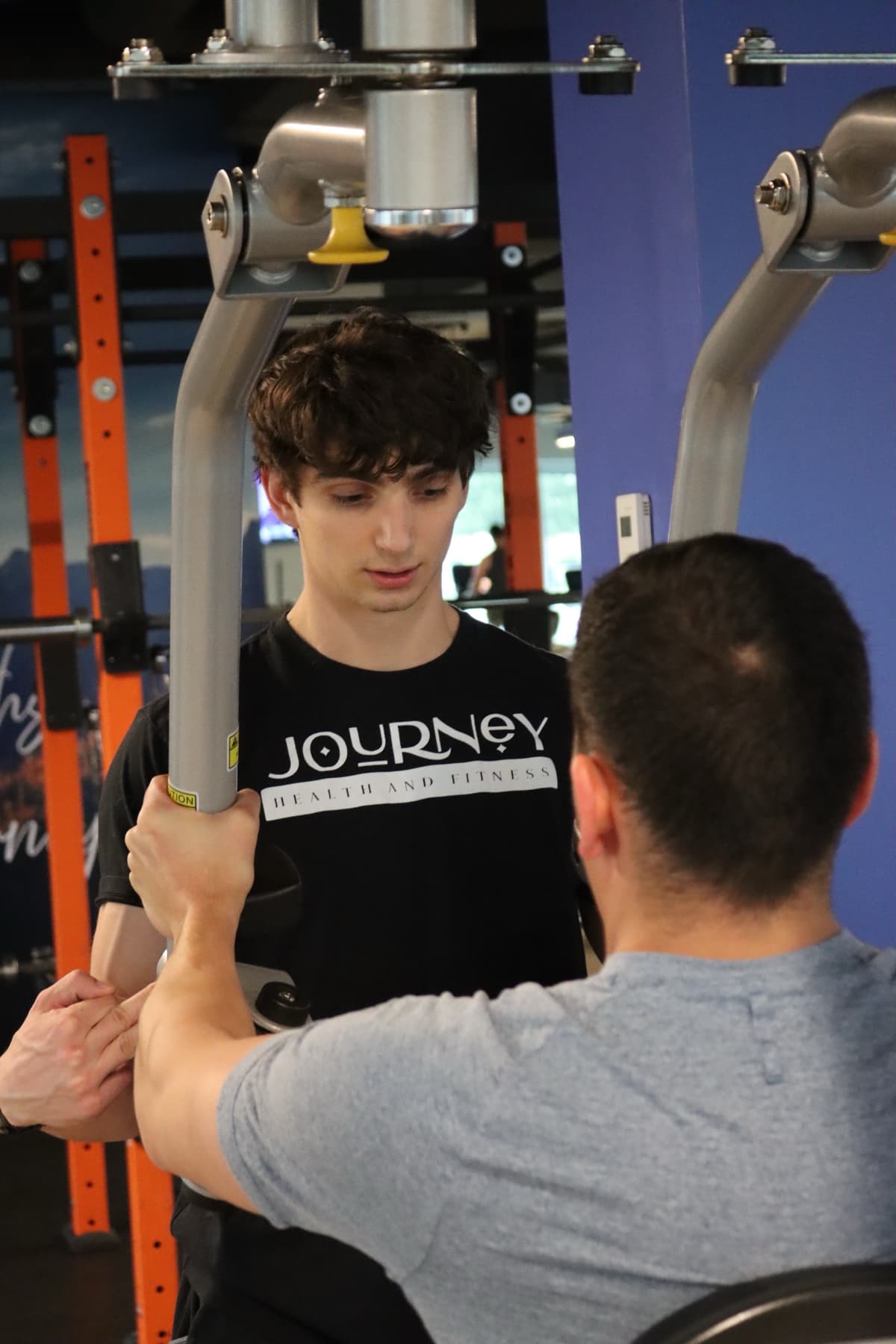
The morning routine is the easy part. The hard part is building it into the rest of the week — training, nutrition, sleep, recovery — without it falling apart by Wednesday. That's what 1:1 coaching with Kris is built for. See the full methodology or apply directly.

Keep going

Written by Kris Oddo, NASM-CPT. Last updated 2026-05-21. References cited from peer-reviewed journals.